Lake Nakuru National Park covers roughly 188 square kilometres in Kenya’s Great Rift Valley, about 160 kilometres northwest of Nairobi, built around a shallow alkaline lake fringed with acacia woodland, grassland and escarpment. It is the best place in Kenya to see both black and white rhino, holds a protected population of endangered Rothschild’s giraffe, and forms part of the UNESCO listed Kenya Lake System of the Great Rift Valley.
The park built its reputation on flamingos, and that reputation now needs qualifying. What Nakuru offers today is rhino, giraffe and a compact, easily worked park within a half day of Nairobi, with flamingos as a possibility rather than a promise. Knowing that before you book prevents the most common disappointment here.
Rhino Tracking and Game Drives at Lake Nakuru
Rhino are the main reason to come. The park was fenced and set aside for rhino protection in the 1980s, after poaching had cut Kenya’s national population catastrophically, with the first animals brought in from Solio ranch and elsewhere. The population has grown steadily since.
Both species are here. Southern white rhino are the ones you are most likely to see, grazing in the open in family groups, often close to the track and largely indifferent to vehicles. Eastern black rhino are more numerous than in most Kenyan parks but far harder to find, browsing in thicker cover and usually solitary.
The southern section of the park holds the best rhino country, with open plains that make spotting straightforward. This is where guides concentrate, and a morning drive here gives good odds on white rhino and a fair chance of black.
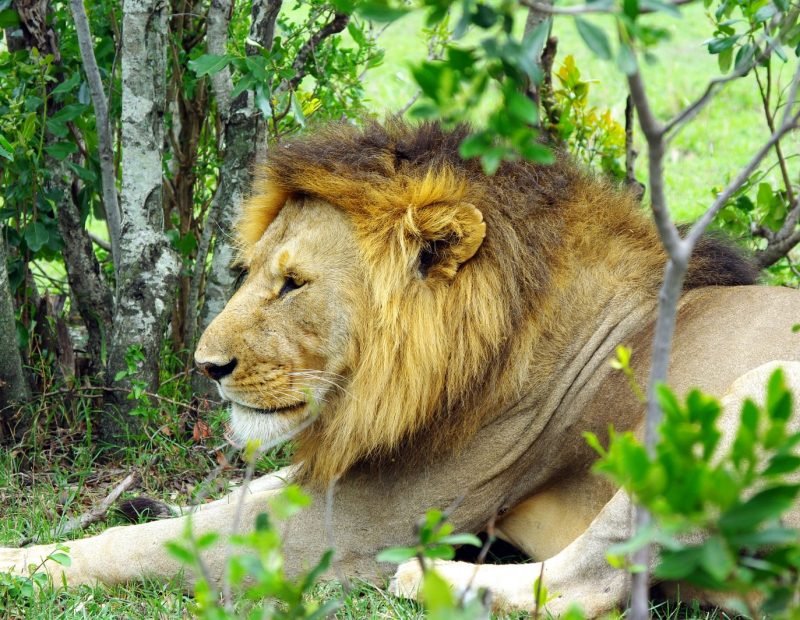
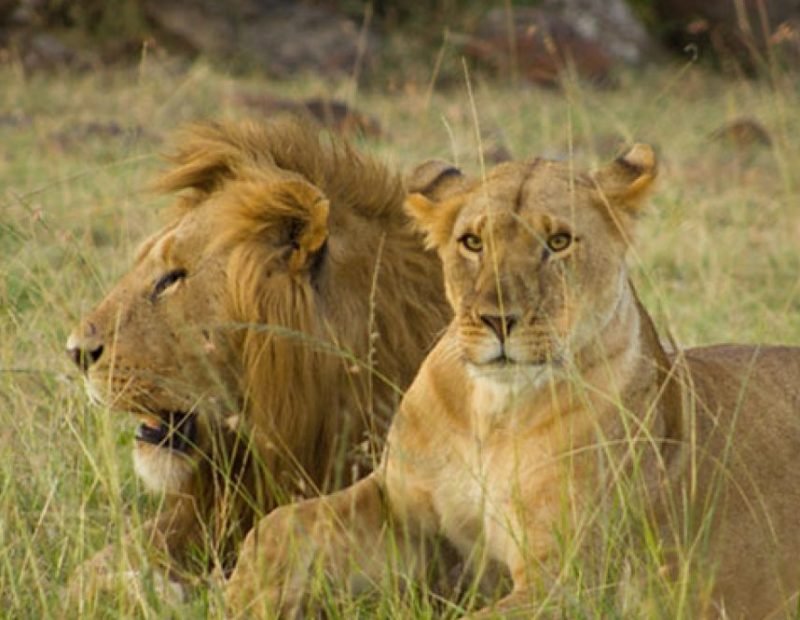
Alongside them, game drives turn up buffalo, zebra, waterbuck, impala, eland, Thomson’s gazelle, warthog, olive baboon and vervet monkey. Lion are present and seen regularly, sometimes up in the acacia in the tree climbing habit more associated with Ishasha and Manyara. Leopard sightings have improved in recent years. Cheetah, hyena and jackal round out the predators.
Nakuru has no elephant, so this is a four of the Big Five park rather than a full house. Nobody should book it expecting elephant, and any itinerary claiming otherwise is guessing. What it does offer that few Kenyan parks can is two rhino species in a single morning.
Safari packages visiting Lake Nakuru National Park
6 Day Masai Mara, Lake Nakuru And Amboseli Safari
Six days across Kenya: rhino at Lake Nakuru, big cats in the Masai Mara and elephants beneath Kilimanjaro in Amboseli, with a…
Kenya · Lake Nakuru, the Masai Mara & Amboseli National Park
View itinerary 6 Day Masai Mara, Lake Nakuru And Amboseli Safari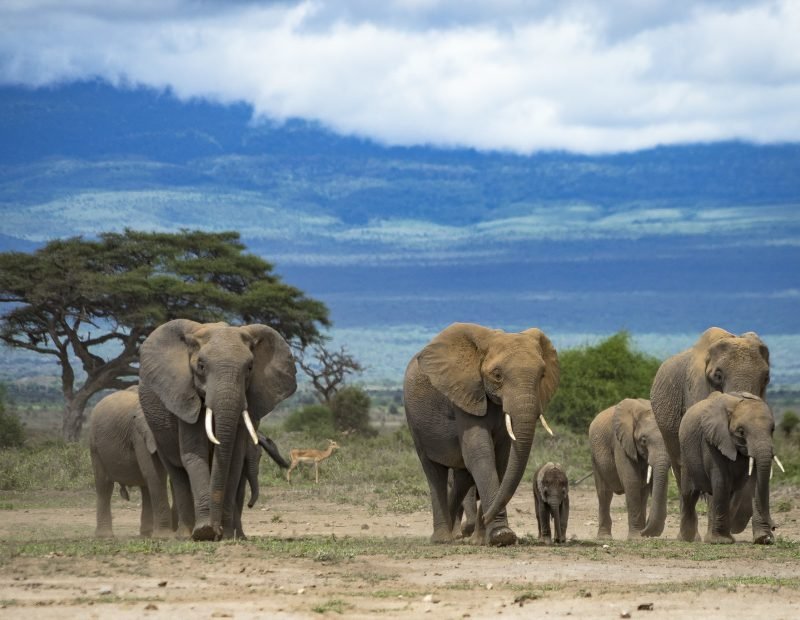
8 Day Kenya Classic Safari
Eight days across Kenya: Amboseli beneath Kilimanjaro, a walking safari on Crescent Island, cycling in Hell's Gate, rhino at Nakuru and three…
Kenya · Amboseli, Lake Naivasha, Hell's Gate, Lake Nakuru & the Masai Mara
View itinerary 8 Day Kenya Classic Safari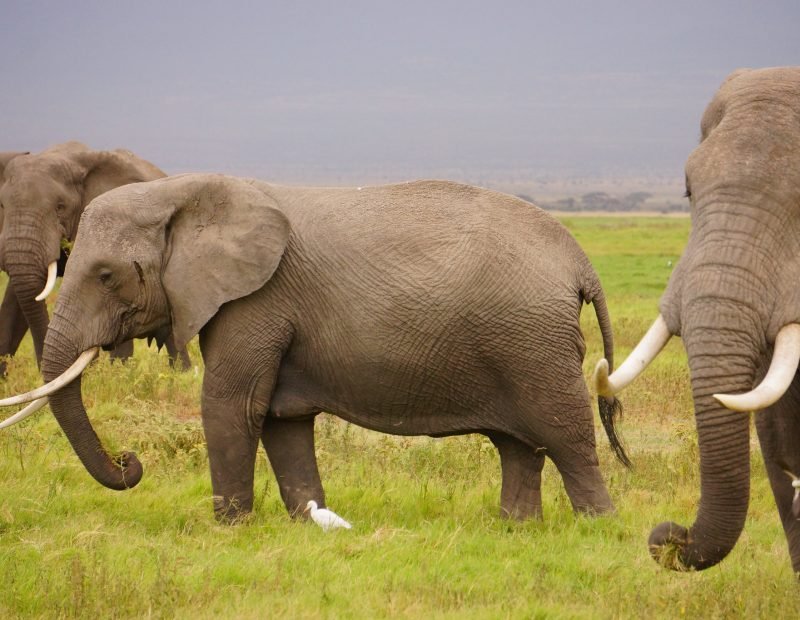
10 Day Kenya In Depth Safari
Ten days across Kenya including Samburu and its Special Five, the Rift Valley lakes, three nights in the Masai Mara and a…
Kenya · Samburu, Lake Nakuru, Lake Naivasha, the Masai Mara & Amboseli
View itinerary 10 Day Kenya In Depth Safari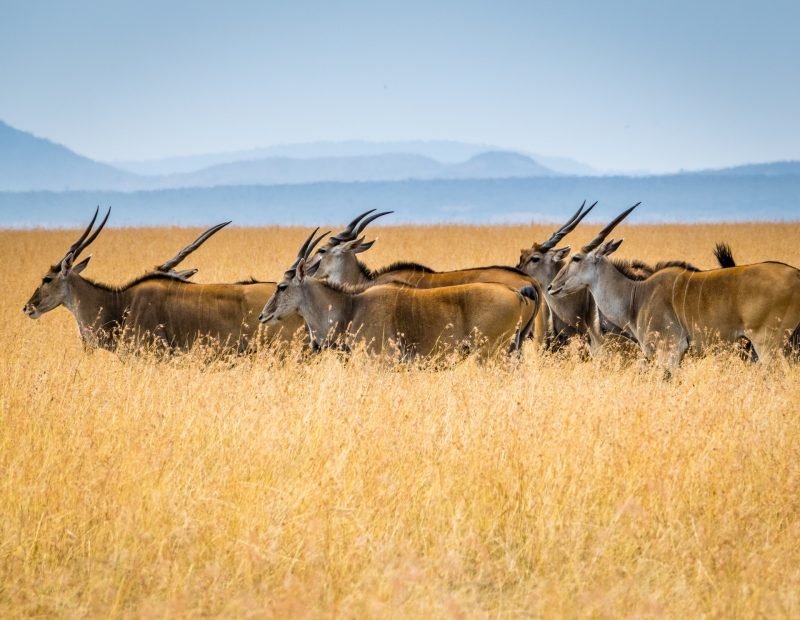
4 Day Masai Mara And Lake Nakuru Safari
Four days in Kenya: black and white rhino plus Rothschild's giraffe at Lake Nakuru, then two nights in the Masai Mara for…
Kenya · Lake Nakuru National Park & the Masai Mara
View itinerary 4 Day Masai Mara And Lake Nakuru SafariRothschild’s Giraffe and the Acacia Woodlands
The acacia belt on the eastern and southern shores is where you find Rothschild’s giraffe, one of the most threatened giraffe populations in Africa and instantly recognisable by the pale unmarked lower legs that look like white stockings.
These animals were moved here from western Kenya for their protection when their home range was being converted to farmland, and the Nakuru population has done well since. Watching them browse the flat topped acacia with the lake behind them is the image most photographers leave with.
The woodland also holds waterbuck in good numbers, impala, bushbuck and troops of vervet monkey and olive baboon. Large pythons live in this habitat and are occasionally seen draped in trees, which surprises visitors who did not expect snakes on a Kenyan game drive.
Yellow barked acacia, the fever tree, grows in stands along the shore and gives the park much of its character, particularly in early light when the bark takes on a greenish gold.
Flamingos at Lake Nakuru: The Honest Position
For decades Lake Nakuru was known worldwide for flamingos, sometimes more than a million of them turning the shoreline pink in one of the great bird spectacles on earth. That is no longer a reliable sight and travellers deserve to know why.
Flamingos feed on algae that thrives in highly alkaline water. Over recent years, rising water levels across the Rift Valley lakes, driven by heavier rainfall and increased freshwater inflow, have diluted Nakuru’s alkalinity. Less algae means fewer flamingos, and large numbers have shifted to other Rift lakes, particularly Lake Bogoria, where conditions currently suit them better.
Flamingos are still present at Nakuru and numbers fluctuate, with the drier months from June to October usually better as evaporation raises salinity. Some years produce good gatherings. Others produce a scattered few hundred.
The sensible way to plan is to treat flamingos as a bonus and rhino as the reason for the visit. If flamingos in numbers are genuinely your priority, ask about Lake Bogoria as an addition, since the two combine easily on the same Rift Valley route.
Birding Safaris at Lake Nakuru
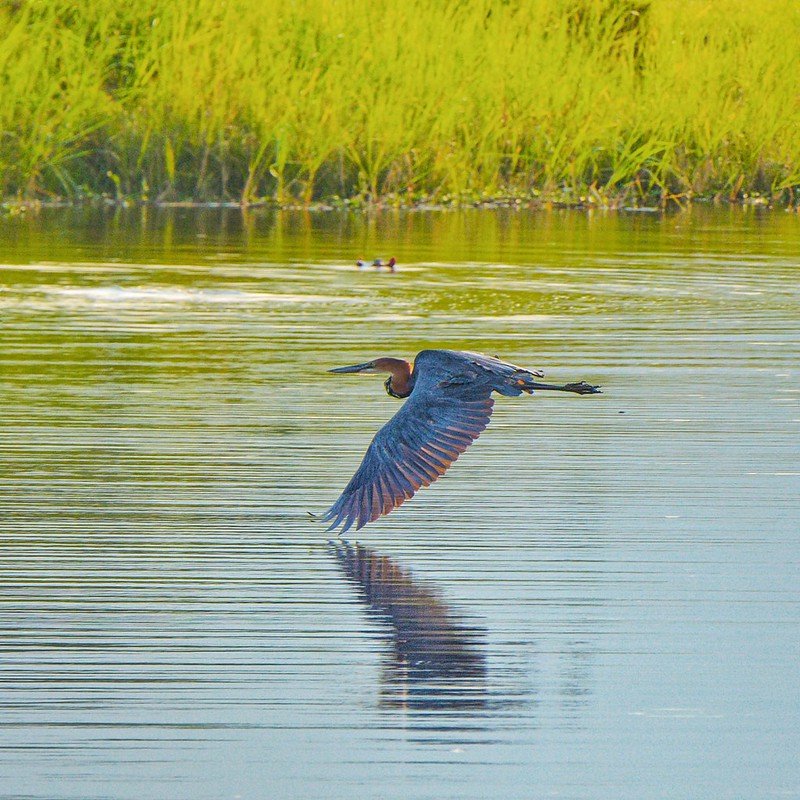
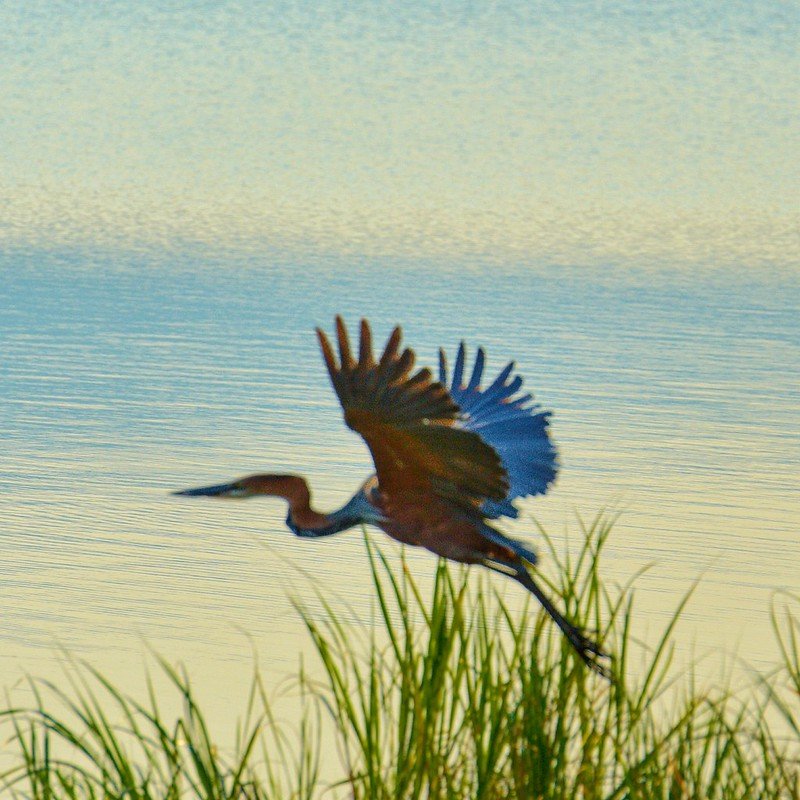
Flamingo variability aside, this remains one of the best birding sites in Kenya, with around 450 recorded species packed into a small area.
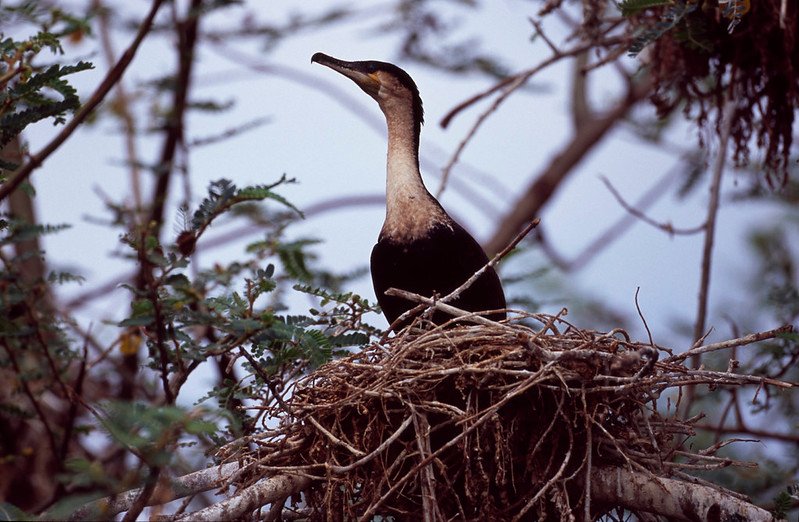
Waterbirds. Great white pelican in large flocks, cormorants, African spoonbill, yellow billed stork, marabou, herons, egrets and a strong wader list along the shoreline. Pelican numbers can be spectacular even when flamingos are thin.
Raptors. African fish eagle along the lakeshore, augur buzzard on the escarpment, long crested eagle in the woodland, plus verreaux’s eagle around the cliffs and a good vulture list.
Woodland and grassland species. Grey crowned crane, lilac breasted roller, superb starling, hornbills, barbets, weavers and a long list of small passerines through the acacia belt.
Timing. Migrants arrive from November through April, lifting numbers considerably. Waterbird viewing depends on water levels, which have been high in recent years and have pushed some shoreline habitat under.
Baboon Cliff, Out of Africa Lookout and Makalia Falls
Nakuru is unusually scenic for a small park, and three viewpoints are worth building into a drive.
Baboon Cliff on the western escarpment gives the classic view over the whole lake and out across the Rift Valley floor, and it is the standard stop on any circuit. It is named for the baboons that live around it, which are practised thieves, so keep bags closed and food out of sight.
The Out of Africa Lookout, a little further along the western rim, takes its name from the film, parts of which were shot in this country. The view is broader and usually quieter than Baboon Cliff.
Makalia Falls sits at the southern end of the park, a slender drop over a rock lip into a pool surrounded by bush. It runs best from April through August after the rains and can dry to nothing in a hard dry season, leaving a hot empty basin. Buffalo and waterbuck use the area, and it makes a good stretch of the legs midway through a drive.
The lake that made this park famous has changed. Rising water diluted the alkalinity, the algae thinned, and the flamingos went looking for saltier ground. The rhino, meanwhile, have quietly multiplied.
Lake Nakuru as Part of a Rift Valley Circuit
Nakuru works best as one stop on a Rift Valley route rather than as a standalone destination, and the surrounding lakes each add something different.
Lake Naivasha, an hour or so south, is a freshwater lake with hippo, boat trips, and the walking and cycling park at Crescent Island where you can move on foot among giraffe and zebra. Hell’s Gate National Park sits beside it and allows cycling and gorge walking among wildlife, which is rare in Kenya.
Lake Bogoria to the north holds hot springs and geysers and is currently the more reliable flamingo lake. Lake Baringo, further on, is a freshwater lake with outstanding birding and boat trips.
Together these make a three or four day Rift Valley leg that pairs naturally with the Masai Mara to the southwest or with a Nairobi arrival, and it is a more varied few days than most visitors expect from Kenya’s lake country.
Where to Stay at Lake Nakuru
Accommodation splits neatly between inside the park and outside it, and the choice affects your mornings more than your comfort.
Several lodges sit within the boundary on the eastern and southern sides, which puts you close to the rhino country and lets you be out at first light without waiting for a gate to open. That early hour is when rhino are most active and when the light across the lake is at its best, so staying inside earns its keep.
A self catering guest house and a spread of public campsites at Makalia, Naishi, Reedbuck and Baboon Cliff give cheaper options for travellers carrying their own gear, several of them in genuinely good positions.
Outside the gate, Nakuru town has a wide range of hotels at lower rates, along with restaurants and shops. This suits budget travellers and anyone treating the park as a single day stop between Nairobi and the Mara, at the cost of a later start.
How Lake Nakuru Compares With Kenya’s Other Rhino Parks
Rhino can be seen in several Kenyan reserves and the differences between them are worth knowing before you allocate days.
Lake Nakuru. The most accessible option, three hours from Nairobi, with both black and white rhino in a fenced and closely monitored park. Sightings of white rhino are close to routine. Adds Rothschild’s giraffe and Rift Valley scenery, but no elephant.
Ol Pejeta Conservancy, Laikipia. Holds the largest black rhino population in East Africa along with the last northern white rhinos under armed protection. More conservation focused and further from Nairobi, with a full range of other wildlife including elephant.
Solio and the Laikipia ranches. The source of many of Kenya’s translocated rhino, including some of Nakuru’s founding animals. Exclusive, quiet and expensive, and normally reached as part of a longer northern circuit.
For most visitors on a first Kenyan trip, Nakuru is the sensible rhino stop simply because it sits on the road they are already driving.
Best Time for a Lake Nakuru Safari
Nakuru sits at around 1,750 metres, which keeps it pleasantly warm by day and cool at night year round. The park is open every day and drivable in every season.
June to October, dry season. The strongest window overall. Tracks are firm, vegetation thins so rhino are easier to spot, and evaporation raises the lake’s salinity, which gives the best flamingo prospects of the year.
January and February, short dry season. Warm, clear and quiet, with good general game viewing and reliable rhino sightings. A sound choice if you are also heading to the Mara for big cats.
March to May, long rains. Green country, fewer visitors and lower rates, with Makalia Falls at full flow. Some internal tracks become slippery, and higher water further dilutes the lake.
November and December, short rains. Afternoon showers, arriving migrant birds and a quiet park. Reasonable game viewing between showers and good photography light.
Because the park is compact, a single full day covers the main circuits comfortably. Two nights lets you work the southern rhino country in the early morning when sightings are best.
Getting to Lake Nakuru National Park
Nakuru is one of the most accessible parks in Kenya. The drive from Nairobi runs around 160 kilometres on the main highway through the Rift Valley escarpment, taking roughly three hours, with the classic viewpoint over the valley on the descent.
That proximity makes it feasible as a long day trip from Nairobi, although an overnight is far better, since the early morning drive is when rhino are most active and the light is best.
Accommodation inside the park includes several lodges on the eastern and southern sides, plus a self catering guest house and a spread of campsites. Nakuru town sits immediately outside the main gate with cheaper options for anyone travelling on a budget.
The park sits on the natural route between Nairobi and the Masai Mara for anyone driving, and it also links north to Bogoria and Baringo. Flights are rarely used, since the road is good and the distance short.
Nakuru is a park where expectations decide the experience, and the flamingo question in particular catches out travellers working from old photographs. Intare Safaris operates across Kenya alongside its Rwandan base and will tell you plainly what the lake is doing in the month you are travelling, and whether Bogoria belongs in your route.
Let Intare Safaris know if rhino, birds or the Rift Valley scenery is your priority, and they will slot Nakuru into a Kenyan itinerary that makes sense rather than treating it as a stop on the way to somewhere else.