Queen Elizabeth National Park is Uganda’s most visited savannah reserve, covering roughly 1,978 square kilometres in the west between Lake Edward and Lake George. It is best known for the Kazinga Channel boat cruise, the tree climbing lions of the Ishasha sector and chimpanzee trekking in Kyambura Gorge. The park holds around 95 mammal species and over 600 birds, the longest bird list of any protected area in the country.
What makes this park unusual is how many different things it does at once. Open savannah, papyrus swamp, two great lakes, crater fields, a rainforest gorge and a stretch of forest all sit inside one boundary, with the Rwenzori mountains to the north and the Virungas to the south. Very few African parks give you lions, hippos, chimpanzees and flamingos in the same three days.
Game Drive Safaris in Queen Elizabeth National Park
Game drives run in three main areas and each behaves differently, so knowing which is which shapes your days.
The Kasenyi plains in the north are the classic morning drive. Open grassland dotted with candelabra euphorbia, huge concentrations of Uganda kob, the national animal, and the lions that follow them. Kasenyi is where most lion sightings in the park happen, and a dawn start there is the strongest wildlife morning available in the north.
The north Kazinga plains around Mweya cover the ground between the channel and the escarpment, holding elephant, buffalo, waterbuck, warthog and giant forest hog, with baboons everywhere near the peninsula itself.
Ishasha in the remote southwest is a different park in effect, and gets its own section below.
Drives are led by Uganda Wildlife Authority rangers and experienced guides, and the standard pattern is early morning and late afternoon with the middle of the day given over to a boat cruise or rest. Night drives run in some sectors and turn up genets, civets, white tailed mongoose and, with luck, leopard.
Queen Elizabeth is large and the sectors are far apart. Ishasha to Mweya is a couple of hours of driving. Plan at least two nights, and three if you want Ishasha’s lions without spending your whole visit in a vehicle.
Safari packages visiting Queen Elizabeth National Park
6 Day Uganda Gorillas And Queen Elizabeth Safari
Six days from Kigali: mountain gorilla trekking in Bwindi, then north through Ishasha for tree climbing lions, the Kazinga Channel cruise and…
Uganda · Bwindi Impenetrable National Park, Ishasha, Kasenyi & the Kazinga Channel
View itinerary 6 Day Uganda Gorillas And Queen Elizabeth Safari
7 Day Uganda Primates And Wildlife Safari
Seven days across western Uganda: chimpanzees at Kibale, the Kazinga Channel and Kasenyi plains in Queen Elizabeth, Ishasha tree climbing lions and…
Uganda · Kibale Forest, Queen Elizabeth National Park, Ishasha & Bwindi Impenetrable Forest
View itinerary 7 Day Uganda Primates And Wildlife Safari
8 Day Uganda Big Five And Primates Safari
Eight days across four Ugandan parks: rhino at Ziwa, the Nile launch cruise at Murchison, chimpanzees at Kibale, the Kazinga Channel and…
Uganda · Ziwa, Murchison Falls, Kibale Forest, Queen Elizabeth & Bwindi
View itinerary 8 Day Uganda Big Five And Primates Safari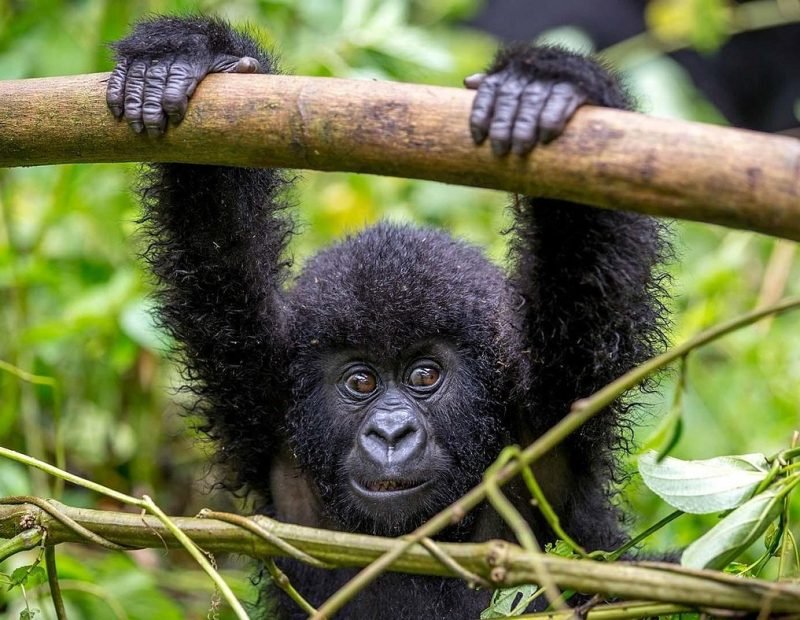
10 Day Best Of Uganda Safari
Ten days across Uganda at a sensible pace: Ziwa rhinos, Murchison Falls and the shoebill delta, Kibale chimpanzees, Queen Elizabeth, Ishasha and…
Uganda · Entebbe, Ziwa, Murchison Falls, Kibale, Queen Elizabeth, Ishasha & Bwindi
View itinerary 10 Day Best Of Uganda Safari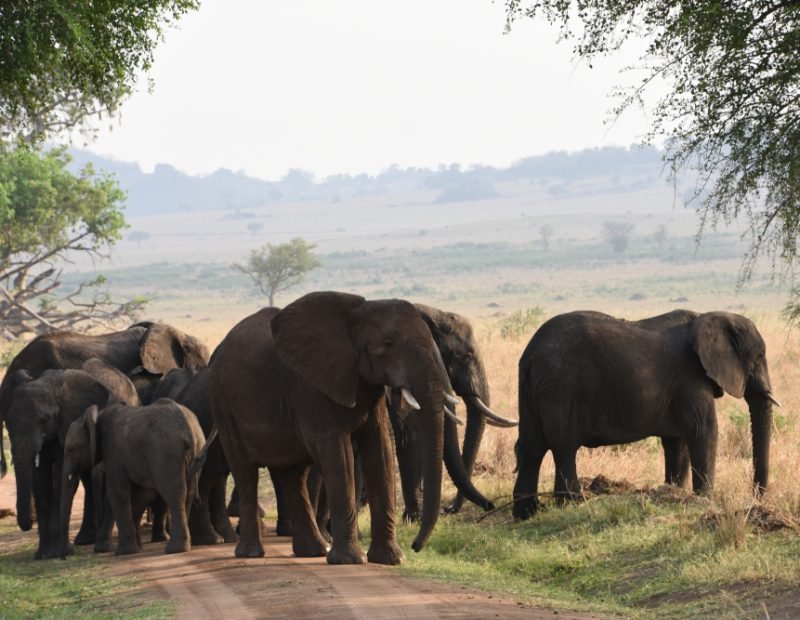
12 Day Uganda In Depth Safari
Twelve days across Uganda including a fly-in to remote Kidepo Valley, rhino at Ziwa, Murchison Falls, Kibale chimpanzees, Queen Elizabeth, Ishasha and…
Uganda · Kidepo Valley, Ziwa, Murchison Falls, Kibale, Queen Elizabeth, Ishasha & Bwindi
View itinerary 12 Day Uganda In Depth Safari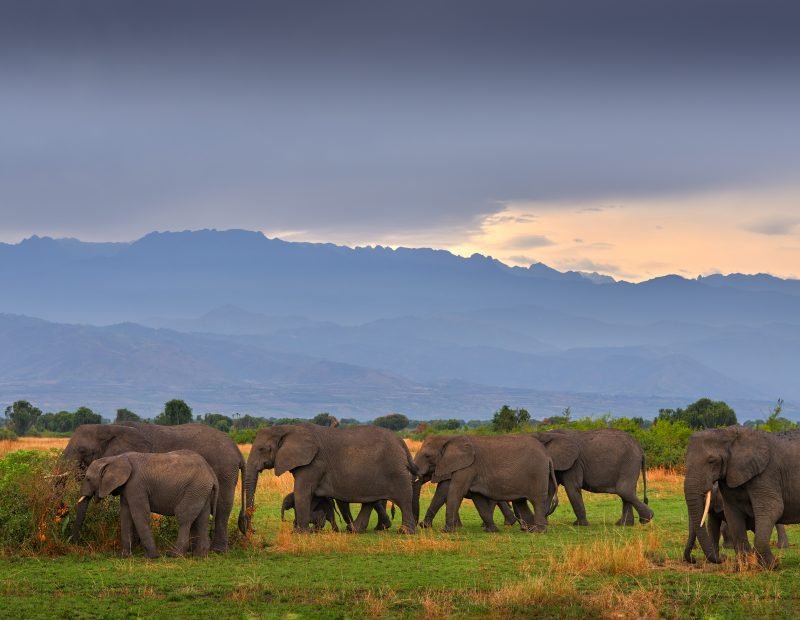
4 Day Queen Elizabeth Safari
Four days in Queen Elizabeth National Park: Kasenyi plains game drives, the Kazinga Channel boat cruise, the Ishasha tree climbing lions and…
Uganda · Queen Elizabeth National Park, Kasenyi, Ishasha & the Kazinga Channel
View itinerary 4 Day Queen Elizabeth SafariThe Kazinga Channel Boat Cruise
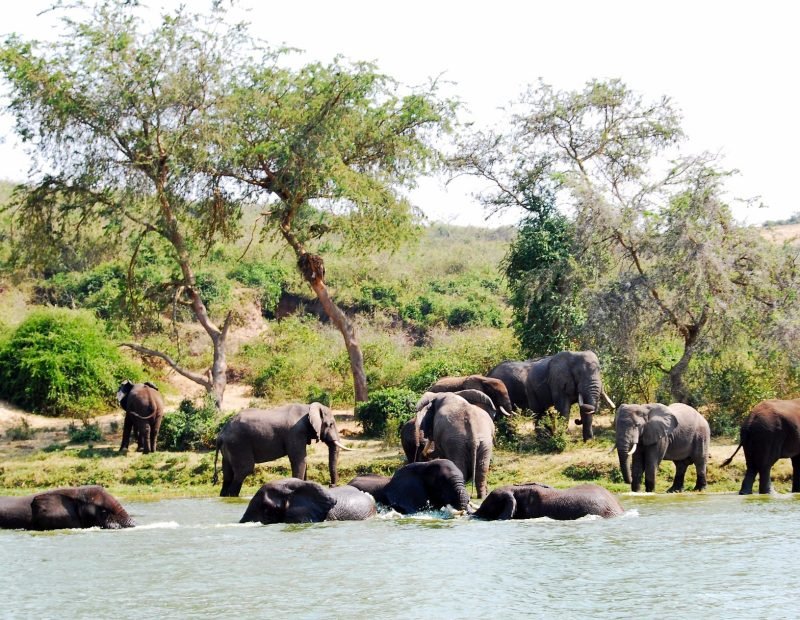
The Kazinga Channel boat cruise is the single most popular activity in the park and the one nobody should skip. The channel is a natural waterway running roughly 32 kilometres between Lake George and Lake Edward, and it concentrates wildlife along its banks in a way that game drives cannot match.
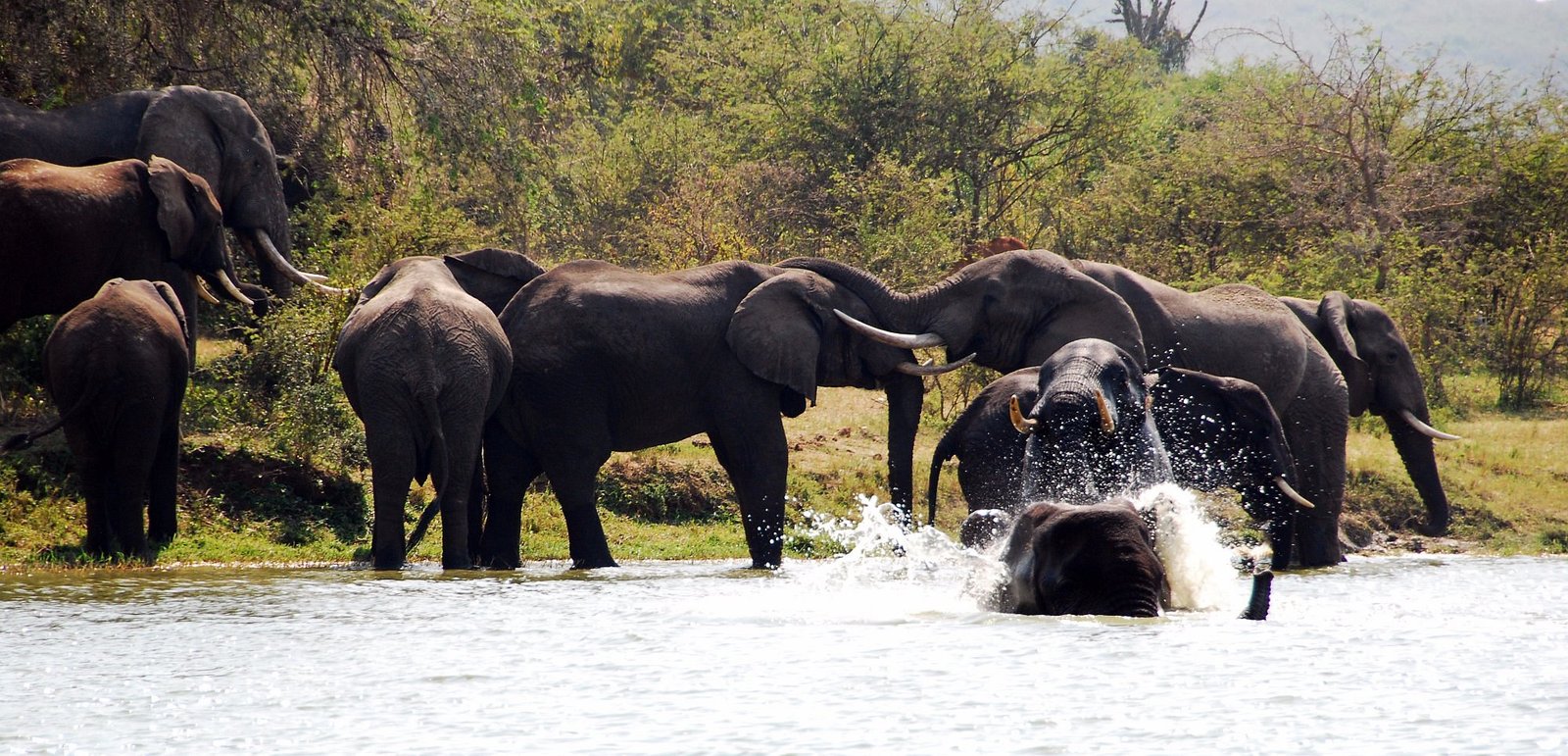
Cruises leave from the Mweya jetty and run around two hours. What you see is a continuous parade rather than isolated sightings: one of the densest hippo populations in Africa, Nile crocodiles hauled out on the mud, elephant and buffalo coming down to drink, and waterbirds packed along the shoreline in numbers that surprise people who thought they had already seen a lot of birds.
Afternoon departures tend to be better than morning ones, because more large mammals come to water as the heat builds and the light is better for photography from the boat.
Both scheduled and private boats operate. A private charter is worth considering for photographers and birders, since it lets you hold position rather than moving on with a full boat.
Ishasha Sector and the Tree Climbing Lions
The Ishasha sector in the far southwest is the reason many visitors come, and it is worth knowing what is actually on offer before you commit the driving time.
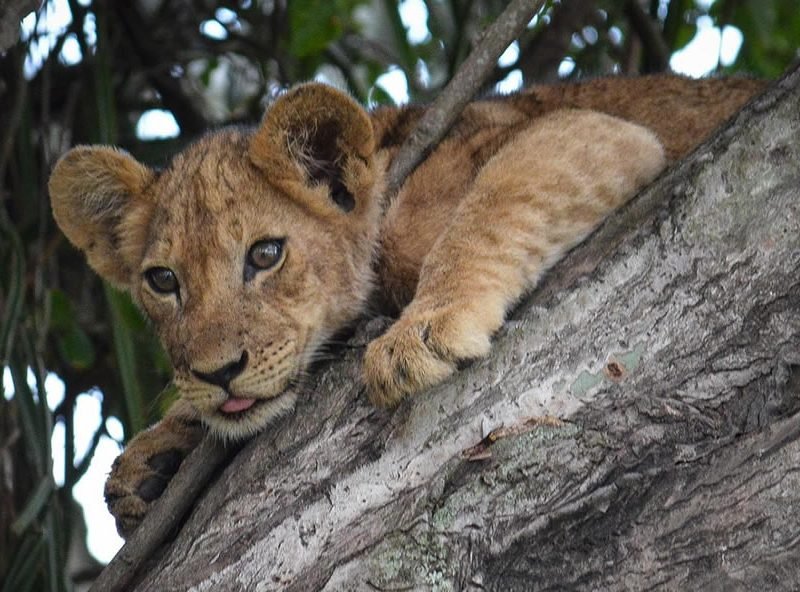
Lions here habitually climb trees and drape themselves along the branches of large fig and acacia during the heat of the day. This behaviour is genuinely unusual, seen regularly in only a handful of places in Africa, principally here and in northern Tanzania. The males of the Ishasha prides carry dark manes, which adds to the appeal.
Nobody can promise you a lion in a tree. Sightings depend on where the prides are that week, and guides who work the sector daily are the difference between finding them and driving fig trees for four hours. The honest position is that the odds are decent rather than certain.
Ishasha itself is quiet, open country along the Ishasha River, with topi, which are scarce elsewhere in the park, plus elephant, buffalo and good general game. It sits directly on the road between Queen Elizabeth and Bwindi, which is why so many itineraries route through it.
Chimpanzee Trekking in Kyambura Gorge
Kyambura Gorge is a sudden crack in the savannah in the eastern part of the park, a hundred metres deep and filled with rainforest that the surrounding grassland gives no hint of. A habituated chimpanzee community lives inside it, and chimpanzee trekking here is one of the more dramatic primate activities in Uganda.
You descend into the gorge from the rim and walk the forest floor along the river with rangers. The community is small and isolated, which cuts both ways: the area to search is limited, but the group has less genetic connection to other populations and sightings are less certain than in Kibale.
Set expectations accordingly. Kyambura is spectacular as a place and moderate as a chimpanzee destination. Anyone whose main goal is a good chimp sighting should go to Kibale, and anyone who wants a striking half day in extraordinary country while already in Queen Elizabeth should do Kyambura.
Nearby Kalinzu Forest Reserve, just outside the park, offers a second option with a larger community and often better odds, and it is frequently the better booking of the two.
A gorge full of rainforest hidden inside open savannah, with chimpanzees living at the bottom of it. Kyambura makes no sense until you stand on the rim and look down.
Lion Tracking and Mongoose Tracking Research Experiences
Two experiences put visitors alongside working researchers rather than only on a game drive, and both are considerably better than they sound.
Lion tracking. You join researchers using radio telemetry to locate collared lions in Kasenyi or Ishasha, going off the standard tracks where ordinary game drives cannot. Beyond the improved odds, you learn how the monitoring works and what the data is for. Numbers are limited each day and it needs booking ahead.
Mongoose tracking. On the Mweya peninsula, researchers have followed banded mongoose groups for decades in one of the longest running studies of its kind. You walk with them as they locate and observe a troop. Excellent for families and for anyone who has done enough big game drives.
Hippo census and habituation walks. Some lodges and the park offer participatory conservation activities on the channel, which suit travellers who want to understand the park rather than only look at it.
Night game drives. Run with a ranger and a spotlight in permitted areas, turning up nocturnal species that daytime drives never produce. Worth one evening of your stay.
Birding Safaris in Queen Elizabeth National Park
With over 600 recorded species, this is Uganda‘s strongest single site for birding safaris, and the reason is the range of habitats packed into one park.
The Kazinga Channel gives waterbirds in volume: pelicans, African skimmers, saddle billed storks, herons, cormorants and waders along the mud. The papyrus around Lake George holds the papyrus gonolek and papyrus canary, and the shoebill is a possibility in the right channels.
Maramagambo Forest in the south delivers forest species including the black bee-eater, one of the birds visiting birders most want. Kasenyi and the open plains give raptors, with martial eagle and bateleur regular. The crater lakes near Katwe hold flamingos when conditions suit.
Take a birding specialist rather than a general guide. Two days here with someone who knows the calls will produce a list that three days without one will not.
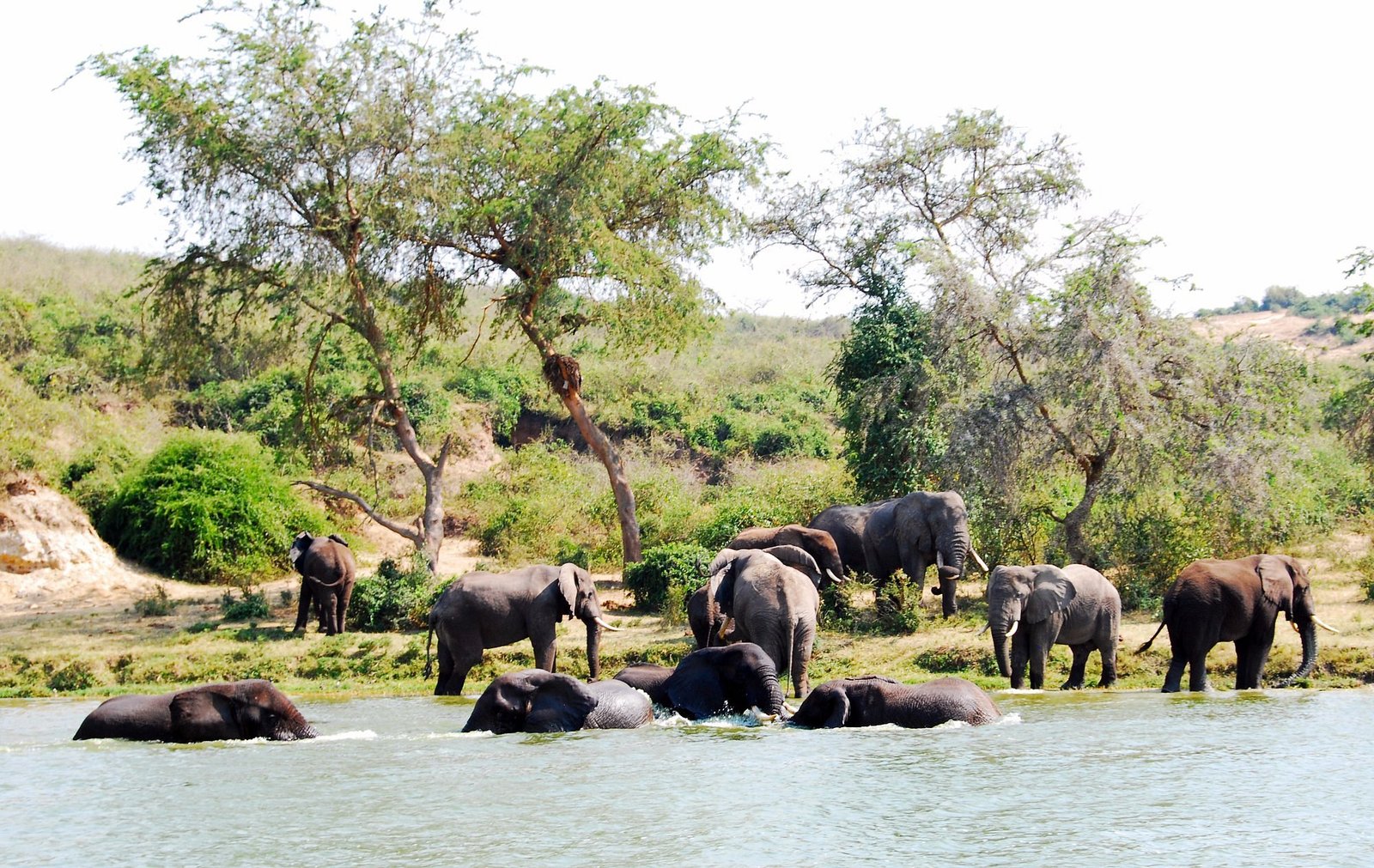
Explosion Craters, Katwe Salt Lake and Maramagambo Forest
The northern part of the park is volcanic country, and the crater drive is the most underrated half day in Queen Elizabeth.
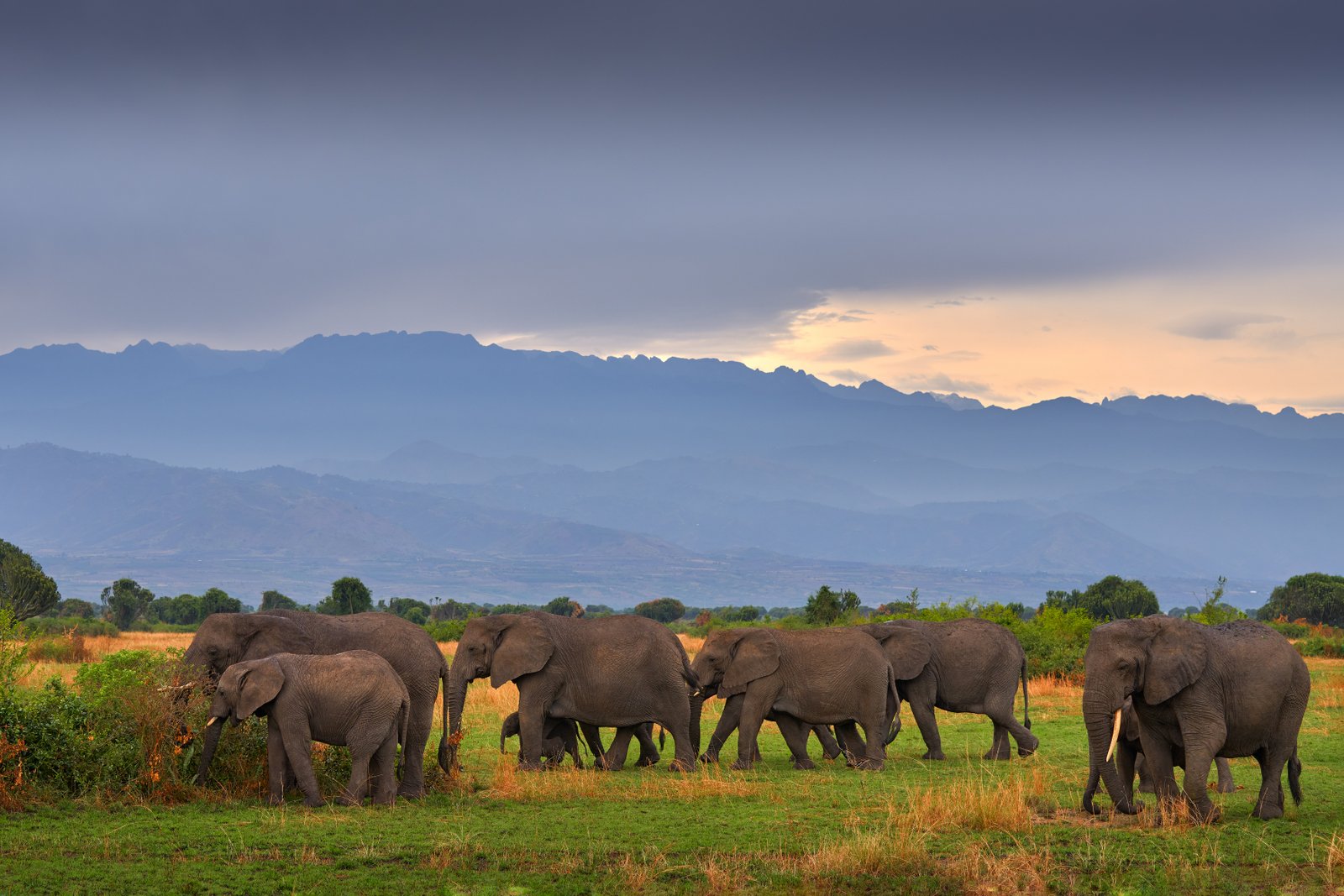
The explosion crater route climbs from the Kazinga plains into a field of steep sided craters, some holding lakes, some dry and grazed by buffalo and elephant. The views back over Lake Edward and towards the Rwenzori are the best in the park, and the drive works well as a late afternoon run.
Katwe salt lake sits in one of those craters and has been worked for salt since long before the park existed. Villagers still harvest it by hand from pans in the water, standing in brine that damages skin over time, and a guided visit explains the process and the trade that ran from here across the region for centuries. It is hard, honest work to watch and the community guides are candid about the conditions.
Maramagambo Forest in the south offers guided walks, a bat cave with resident pythons that hunt around it, crater lakes within the forest and good primate and bird sightings.
Community and Cultural Visits Around the Park
Several community projects operate on the park boundary and they are cheap, quick and genuinely worthwhile.
The Kikorongo community at the equator crossing runs dance and drumming performances, craft workshops and cooking demonstrations, and the group formed partly to give young people alternatives to poaching. Katwe village offers the salt works tour alongside village walks.
Around Kyambura, community projects tied to the gorge focus on the relationship between the park and the villages that border it, including how crop raiding by elephants is managed. That conversation gives useful context for anyone who has just spent two days admiring the same elephants from a vehicle.
Fishing villages on Lake Edward and Lake George can also be visited, showing a side of the park that safari itineraries usually drive straight past.
Best Time for a Queen Elizabeth Safari
The park sits close to the equator at moderate altitude, so it is warm year round and never uncomfortably hot. Rain is the variable.
June to September, dry season. The strongest game viewing. Grass is short, water sources shrink and animals gather along the channel and remaining pans. Ishasha tracks are firm, which matters because they turn heavy in the wet.
December to February, short dry season. Similar conditions with fewer vehicles. Warm, clear days and good general viewing across all sectors.
March to May, long rains. Grass grows tall and game viewing gets harder, and the Ishasha roads can be difficult. The country turns green, photography light improves and rates drop. Birding is at its best as migrants arrive.
October and November, short rains. Afternoon showers rather than all day rain. A quiet, reasonable compromise window with decent game viewing between showers.
Getting to Queen Elizabeth National Park from Kigali and Entebbe
Queen Elizabeth sits in western Uganda and is reachable from both directions, which matters for planning.
From Entebbe or Kampala the drive is roughly six to eight hours, usually broken at Fort Portal or Lake Mburo. Domestic flights run to Mweya and Kasese airstrips, cutting that to about an hour.
From Kigali the road route runs north through the Katuna or Cyanika border and up through Kabale, taking around six to seven hours to the Ishasha sector and longer to Mweya. That is why Ishasha so often appears on itineraries built out of Rwanda, since it sits between the border and Bwindi.
The classic Ugandan circuit runs Bwindi for gorillas, north through Ishasha into Queen Elizabeth, then on to Kibale for chimpanzees and Murchison Falls, and it works in either direction. The East Africa Tourist Visa covers Rwanda, Uganda and Kenya on one document, which makes crossing straightforward.
Queen Elizabeth rewards travellers who give it enough nights to reach both Ishasha and the channel without racing, and that sequencing is easy to get wrong from a distance. Intare Safaris is based in Rwanda and runs the Ugandan circuit regularly, which means they can bring you in through Ishasha from Kigali rather than doubling back from Entebbe.
Tell Intare Safaris which airport you are using and whether tree climbing lions or the channel matters more to you, and they will order the sectors so you are not driving the same road twice.