Rwanda has four national parks: Volcanoes National Park in the northwest, Akagera National Park in the east, Nyungwe National Park in the southwest, and Gishwati Mukura National Park on the ridge above Lake Kivu. Between them they cover mountain gorilla trekking safaris, Big Five game drives, chimpanzee tracking and montane forest walks. All four sit within a half day’s drive of Kigali, which makes a multi park Rwanda safari far simpler to arrange than most African circuits.
That compactness is the thing most first time visitors underestimate. In a country roughly the size of Wales, you can wake up under the Virunga volcanoes on a Tuesday and be watching hippos on a savannah lake by Thursday afternoon. There is no internal flight to catch, no six hour transfer across empty scrub. The parks are managed by the Rwanda Development Board, with African Parks co-managing Akagera and a long conservation partnership behind almost everything you will see.
A common planning mistake is treating Rwanda as a gorilla stopover of two or three nights. The gorilla trek is the headline, but the country’s other three parks each protect a completely different habitat, and adding even one of them changes the shape of the trip.
Volcanoes National Park Gorilla Trekking Safaris in the Virungas
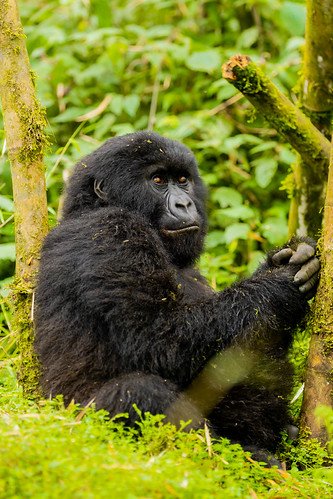
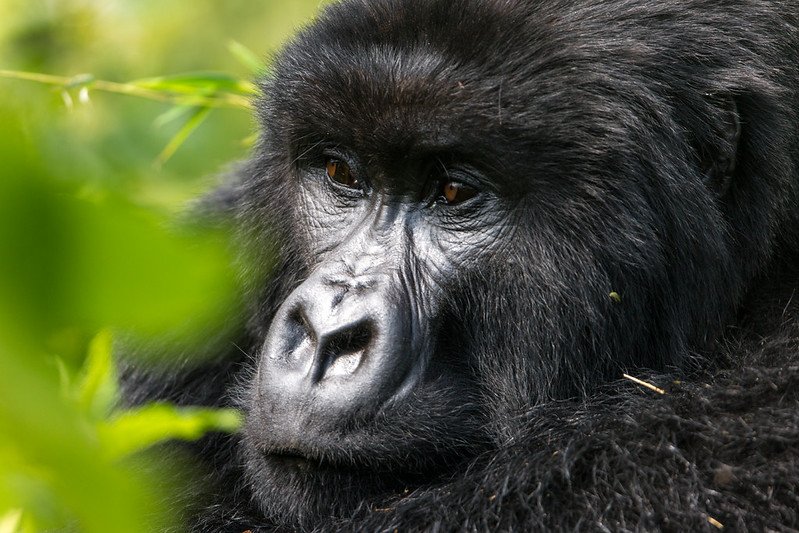
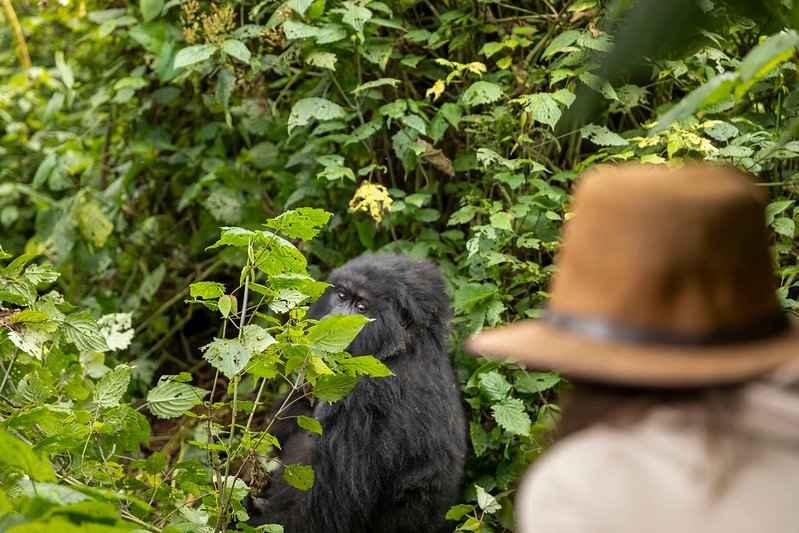
Mountain gorilla trekking is what draws most travellers to Rwanda, and it happens in Volcanoes National Park, a 160 square kilometre band of forest along the Virunga chain in the country’s far northwest. A gorilla trekking safari here starts early. You report to the park headquarters at Kinigi for a seven o’clock briefing, tea in hand, while trackers who went out at dawn radio back the position of each family.
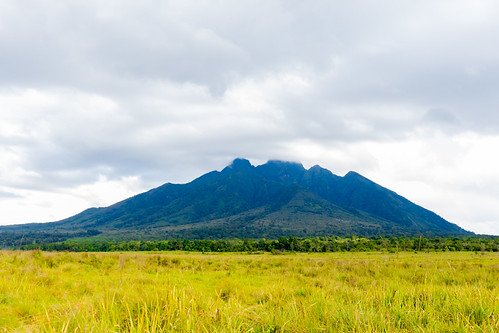
The park was gazetted in 1925, making it the oldest national park on the African continent. It protects five of the eight Virunga volcanoes, among them Karisimbi at 4,507 metres and Bisoke at 3,711 metres, along with bamboo zones, swamp, heath and open glade. Around a dozen habituated gorilla families are open to visitors, with a maximum of eight trekkers assigned to each family per day.
You do not pick your family. Rangers assign groups on the morning of the trek based on fitness, age and where the gorillas have moved overnight, and you can ask for an easier or harder walk without any guarantee. Once the family is found, the hour begins. That hour is the whole point, and it passes faster than anyone expects.
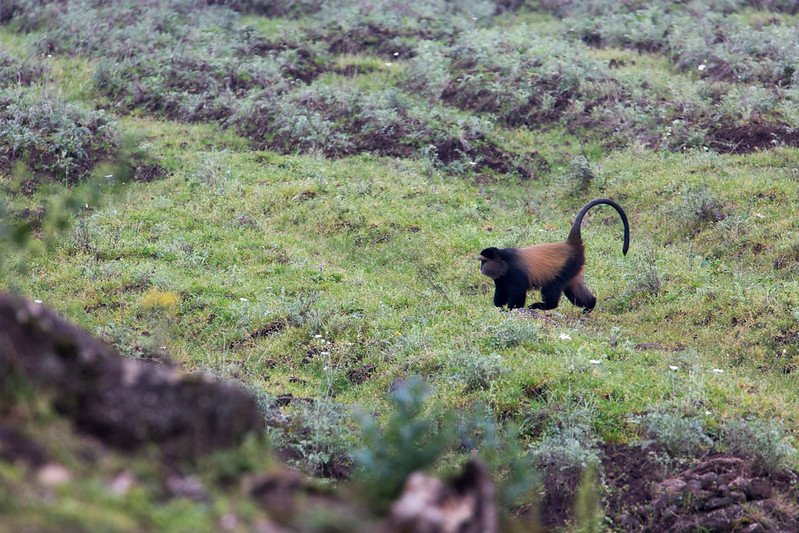
Beyond the gorillas, this is Rwanda’s hiking park. Golden monkey tracking runs in the lower bamboo, the Bisoke summit hike delivers a crater lake at the top, and the trail to Dian Fossey’s tomb climbs through the ground where she worked for eighteen years at Karisoke. Rwanda has committed to enlarging the park by roughly 37 square kilometres, close to a quarter of its current size, to give the growing gorilla population more room.
Full guide: Volcanoes National Park Rwanda
Akagera National Park Big Five Safari on Rwanda’s Eastern Plains
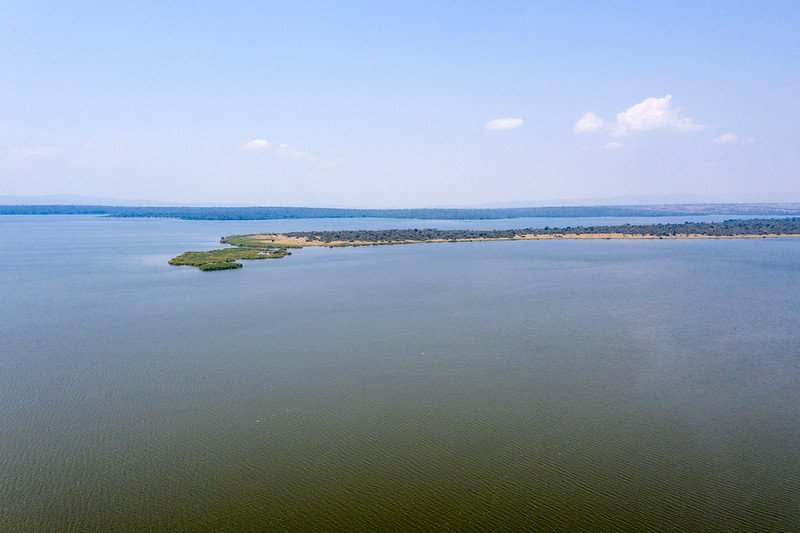
An Akagera safari is the classic savannah half of the Rwanda picture, and it surprises people who arrived expecting only forest. Akagera National Park runs for 1,122 square kilometres along the Tanzanian border, a mix of acacia woodland, open grassland, papyrus swamp and a chain of a dozen lakes fed by the Kagera River. Over a third of it is water, which makes it the largest protected wetland in this part of Africa.
Established in 1934, the park lost almost everything through the 1990s and early 2000s. Lions were poisoned by herders after livestock losses, the last one seen around 2001. Rhinos were poached out by 2007. What has happened since is one of the more thorough wildlife recoveries anywhere on the continent: African Parks partnered with the Rwanda Development Board in 2010, lions were brought back from South Africa in 2015, eastern black rhinos followed in 2017, and southern white rhinos arrived in 2021.
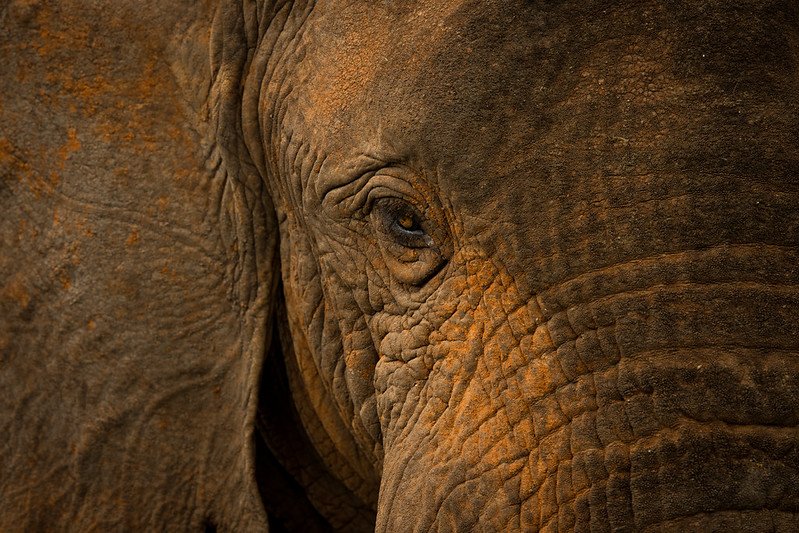
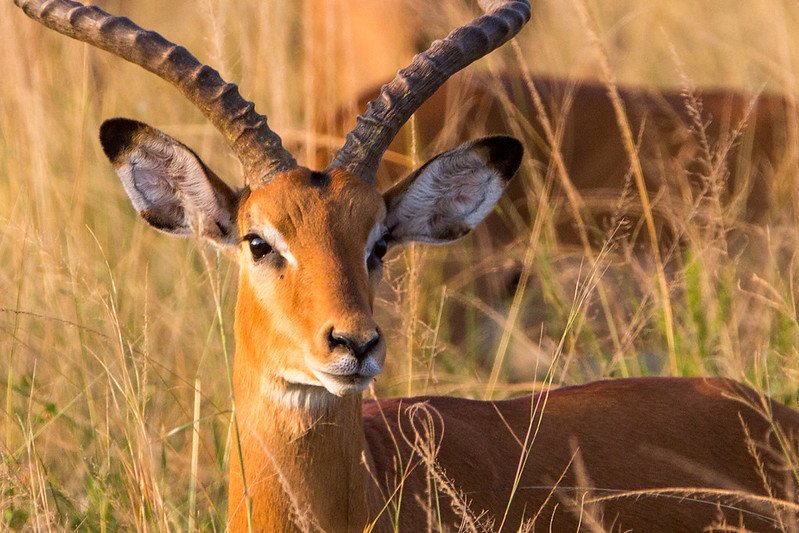
All of the Big Five now live here. Sightings are never guaranteed, and leopard in particular stays scarce and mostly nocturnal, but game drives across the northern plains regularly turn up lion, elephant, buffalo, giraffe, zebra, topi and eland. The southern sector holds Lake Ihema, where boat safaris put you level with hippo pods and Nile crocodiles, and where fish eagles work the papyrus edge.
Full guide: Akagera National Park Rwanda
Nyungwe National Park Chimpanzee Trekking and Canopy Walk Tours
Chimpanzee trekking safaris in Rwanda happen mainly in Nyungwe, a montane rainforest of roughly 1,000 square kilometres draped across the southwest, running down to the Burundi border. It was inscribed as a UNESCO World Heritage Site in 2023, the first site in Rwanda to make that list, and it is the largest protected mountane forest in East and Central Africa.
Chimp treks start very early, sometimes before five, because the apes are noisiest and easiest to locate as they wake and move to feed. Two semi habituated communities are usually visited, one in the separated Cyamudongo forest block and a larger group nearer Uwinka. The forest floor is steep and slick underfoot. Chimps move fast and high, and a good sighting can mean twenty minutes of craning upward at a fig tree rather than a calm hour on the ground, which is a fair thing to know before you book.
Thirteen primate species live here in total, including large troops of Rwenzori colobus that sometimes number in the hundreds, plus L’Hoest’s, silver, red tailed and owl faced monkeys. Around 300 bird species have been recorded, some thirty of them found only along the Albertine Rift.
The other reason people come is the suspended canopy walkway, reached on the Igishigishigi trail from the Uwinka visitor centre. The walkway hangs between tall trees at roughly sixty metres above the forest floor, and the round trip takes about two hours. More than 130 kilometres of marked trails run through the park, from gentle waterfall walks to the long haul up Bigugu peak, and a zipline now runs across the valley near Uwinka.
Full guide: Nyungwe Forest National Park Rwanda
Gishwati Mukura National Park Primate Tracking and Forest Walks
Rwanda‘s fourth national park sees the fewest visitors and is the one most often skipped. Gishwati Mukura is small, roughly 34 square kilometres across two separate forest blocks plus a buffer zone, sitting on the ridge that divides the Congo and Nile watersheds. It was gazetted in the middle of the last decade and named a UNESCO Biosphere Reserve in 2020, joining the Volcanoes Biosphere Reserve, which has held that status since 1983.
This is a restoration park rather than a wilderness one. Gishwati had been reduced to a fraction of its original size by settlement, farming and logging, and what you are walking through now is forest that has been deliberately brought back. A small community of around twenty eastern chimpanzees lives here alongside golden monkeys, L’Hoest’s and blue monkeys. Birding is strong, with over 230 species recorded in the Gishwati block and around 160 in Mukura.
Guided nature hikes, primate tracking, waterfall walks and birding tours are the main activities, usually run as a day out from a lodge near Lake Kivu. Nobody should choose Gishwati over Nyungwe for a first chimp trek. As a quiet third or fourth stop on a longer Rwanda tour, though, it is genuinely rewarding, and the guiding tends to be personal because visitor numbers are low.
Four parks, four habitats, and none of them more than about six hours apart by road. Very few countries let you move between volcanic forest, ancient rainforest and open savannah in the same week.
Full guide: Gishwati Mukura National Park
Building a Multi Park Rwanda Safari Circuit
Most Rwanda safari itineraries are built around one anchor activity and then filled out west or east from there. The three shapes below cover what people actually book.
Short gorilla trip, three to four days. Kigali to Musanze, one gorilla trek in Volcanoes National Park, and either a golden monkey tracking morning or the Bisoke hike as a second day. Tight, but it works, and it is the most common booking.
Gorillas plus savannah, five to six days. Volcanoes first, then a cross country transfer east to Akagera for two nights of game drives and a boat safari on Lake Ihema. Gives you primates and Big Five without a single flight.
Full circuit, eight to ten days. Volcanoes in the north, down the Kivu shoreline with a night or two at Rubavu or Karongi, into Nyungwe for chimpanzee trekking and the canopy walkway, then east to Akagera. Gishwati Mukura slots in on the Kivu leg if you want it.
The order matters more than people think. Running Akagera last means you finish on easy, warm, low altitude days after the hard walking in the west, which suits most travellers. Going the other way, east to west, front loads the gentle part and leaves the steepest climbing for tired legs.
Wildlife to Expect Across Rwanda’s National Parks Safaris
Rwanda sits inside the Albertine Rift, which is why its wildlife list looks different from Kenya’s or Tanzania’s. The country holds a lot of species found in a narrow band of Africa and almost nowhere else, and the split between the parks is clean.
Primates. Mountain gorillas and golden monkeys in Volcanoes. Chimpanzees, Rwenzori colobus and eleven other primate species in Nyungwe. Chimps and golden monkeys again in Gishwati Mukura. Olive baboons and vervets in Akagera.
Large mammals. Akagera carries the big game: lion, leopard, elephant, buffalo, black and white rhino, giraffe, zebra, hippo, roan and eland. Forest elephant and buffalo exist in the western parks but are rarely seen.
Birds. Over 500 species recorded in Akagera, including the shoebill in the papyrus, plus around 300 in Nyungwe with a strong list of Albertine Rift endemics such as the Rwenzori turaco and the red collared babbler.
Water species. Lake Ihema and Lake Rwanyakazinga in Akagera hold some of the densest hippo populations in East Africa, along with large Nile crocodiles and the secretive sitatunga antelope in the swamp margins.
Set your expectations honestly on the big cats. Akagera‘s lions have bred well since reintroduction and are seen often enough on the northern plains, yet leopard remains a lucky sighting even for guides who work the park daily. Anyone promising you the full Big Five in an afternoon is selling rather than guiding.
Full guide: Game Drive Safaris in Rwanda
Best Time for a Rwanda National Parks Safari
Rwanda works all year, and no month closes any park. What changes is how hard the walking is and how thick the vegetation gets. The two dry seasons, long from June to September and short from mid December to February, give the firmest trails and the most reliable game viewing.
June to September, long dry season. The peak window for gorilla trekking and chimpanzee tracking. Trails hold together, mud is manageable, and Akagera’s grass thins out so animals gather near the lakes. Permits and lodges book far ahead, so plan several months out.
Mid December to February, short dry season. A quieter second dry window with similar conditions. February is calving season for the gorillas, which often means infants in the families. Warm days, cold nights at altitude.
March to May, long rains. The hardest months for trekking, with heavy afternoon rain and slippery volcanic soil in the Virungas. Prices soften and permits are easier to get. Chimps in Nyungwe often feed lower and closer during the rains, so this is not a bad time for a chimpanzee trekking safari.
October and November, short rains. Showers rather than downpours, especially early in the period. Green country, thin crowds, good photography light. Roads inside Akagera can need a four wheel drive.
Whatever the month, pack for a rainforest. Volcanoes and Nyungwe both sit high, and even in the driest week you should carry a waterproof, gaiters or long socks, and boots you have already broken in.
Full guide: Best Time to Visit Rwanda
Getting to Rwanda’s National Parks from Kigali
Everything starts at Kigali International Airport, and the road network is genuinely good, which is unusual for the region and worth building your plan around. Volcanoes National Park is roughly two to two and a half hours north through Musanze on tarmac the whole way, close enough that visitors landing in the morning can trek gorillas the following dawn.
Akagera’s southern gate is about two to two and a half hours east of the capital, around 110 kilometres. The northern gate near Magashi takes longer, usually three to four hours, and some camps finish the transfer with a game drive and a short boat crossing. Self drive access is through the southern gate only, and a four wheel drive is the sensible choice in the wet months.
Nyungwe is the long haul, four to five hours southwest to the reception centres at Kitabi, Uwinka or Gisakura, though the drive along the Kivu shoreline is one of the better road days in East Africa if you break it overnight. Gishwati Mukura sits between the two western parks and is usually reached from the Kivu road in around three hours from Musanze. Helicopter transfers exist for Akagera and the west if road time is the constraint.
Visitors from most countries can get a visa on arrival at Kigali, and Rwanda’s single East African tourist visa covers Uganda and Kenya on one document, which matters if you are combining gorilla trekking with Bwindi or the Maasai Mara.
Rwanda’s parks are close together, well run and easier to travel between than almost anywhere comparable, and that is exactly why the planning still deserves care. Permits are capped daily, the best lodges are small, and the difference between a good trip and a scrambled one usually comes down to booking order rather than budget. Intare Safaris is based in Rwanda and runs these four parks year round, with guides who know which Akagera sector the lions have been favouring and which gorilla families tend to sit lower on the slope in a wet week.
If you would rather talk it through than fill in a form, get in touch with Intare Safaris and someone who has actually driven these roads will help you shape the route, whether that is three days on the volcanoes or a full circuit east to west.
Full guide: How to Book Your Safaris in Rwanda