
Bwindi Impenetrable National Park in southwestern Uganda holds roughly half the world’s mountain gorillas and is the leading gorilla trekking destination in Africa. The park covers around 331 square kilometres of dense montane rainforest between 1,160 and 2,607 metres, was gazetted in 1991 and listed as a UNESCO World Heritage Site in 1994. Trekking runs from four sectors, Buhoma, Ruhija, Rushaga and Nkuringo, with around twenty habituated gorilla families and a maximum of eight visitors per family per day.
Bwindi is old forest. It has been continuously wooded for something like 25,000 years, which is why the species list runs so long and why the undergrowth genuinely earns the name impenetrable. Trekking here is harder work than in the Virungas, and the reward is more habituated families, more permits and more choice than anywhere else.
Gorilla Trekking Safaris in Bwindi Impenetrable National Park
Gorilla trekking begins at dawn at the briefing station for whichever sector your permit covers. Rangers explain the rules, groups are capped at eight per family, and trackers who went out at first light radio back the position of each group.
Rules mirror those elsewhere in the region. A minimum distance is maintained throughout, and Uganda’s guidance sets this further back than Rwanda’s, so expect to be held at around ten metres. No eating or drinking in the presence of the gorillas. No flash photography. Voices low. Instructions from the ranger followed immediately and without discussion. Anyone with flu, a cough or fever is turned away at the briefing, and the minimum age is fifteen.
Walking time ranges from about an hour to six hours depending on where the family has moved overnight. When the trackers locate them the hour begins.
The forest itself is what makes Bwindi different. Vegetation is thicker than in the Virungas, the terrain is a constant sequence of steep ridges and deep valleys, and rangers cut through with machetes. Hire a porter at the trailhead. It is the best decision most trekkers make here, both for your legs and because the work goes to households living on the park boundary.
Bwindi has more habituated families than anywhere else, which means more permits available on any given day than Rwanda offers. For travellers who cannot secure a Rwandan permit for their dates, Bwindi is usually the answer rather than a compromise.
Safari packages visiting Bwindi Impenetrable National Park
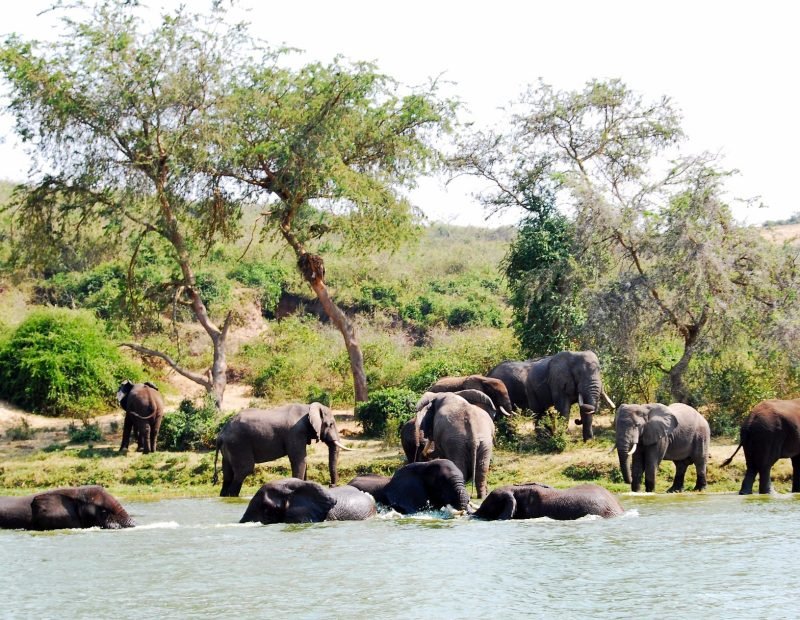
6 Day Uganda Gorillas And Queen Elizabeth Safari
Six days from Kigali: mountain gorilla trekking in Bwindi, then north through Ishasha for tree climbing lions, the Kazinga Channel cruise and…
Uganda · Bwindi Impenetrable National Park, Ishasha, Kasenyi & the Kazinga Channel
View itinerary 6 Day Uganda Gorillas And Queen Elizabeth Safari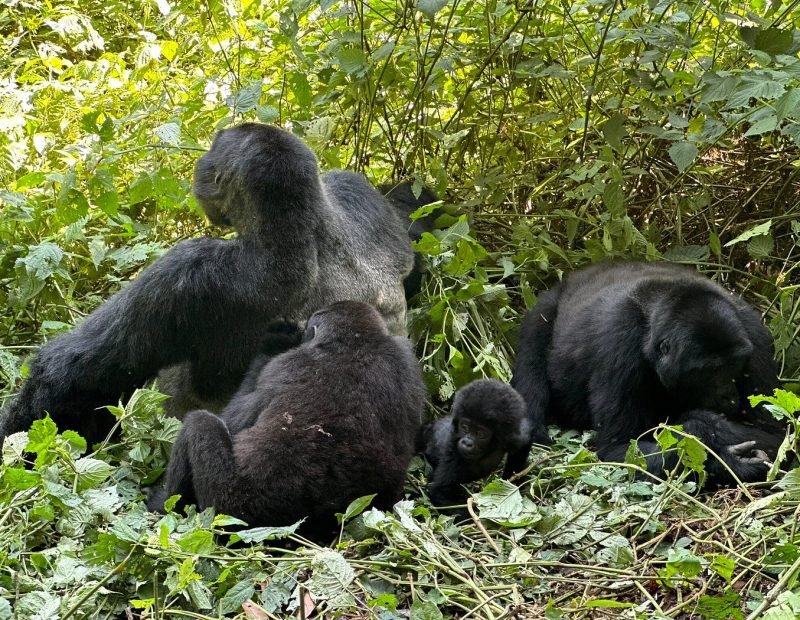
7 Day Uganda Primates And Wildlife Safari
Seven days across western Uganda: chimpanzees at Kibale, the Kazinga Channel and Kasenyi plains in Queen Elizabeth, Ishasha tree climbing lions and…
Uganda · Kibale Forest, Queen Elizabeth National Park, Ishasha & Bwindi Impenetrable Forest
View itinerary 7 Day Uganda Primates And Wildlife Safari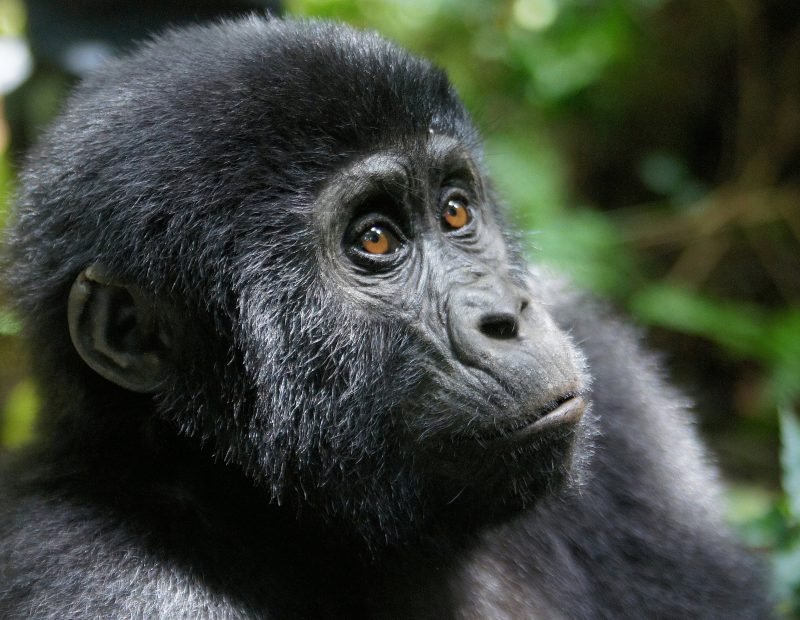
8 Day Uganda Big Five And Primates Safari
Eight days across four Ugandan parks: rhino at Ziwa, the Nile launch cruise at Murchison, chimpanzees at Kibale, the Kazinga Channel and…
Uganda · Ziwa, Murchison Falls, Kibale Forest, Queen Elizabeth & Bwindi
View itinerary 8 Day Uganda Big Five And Primates Safari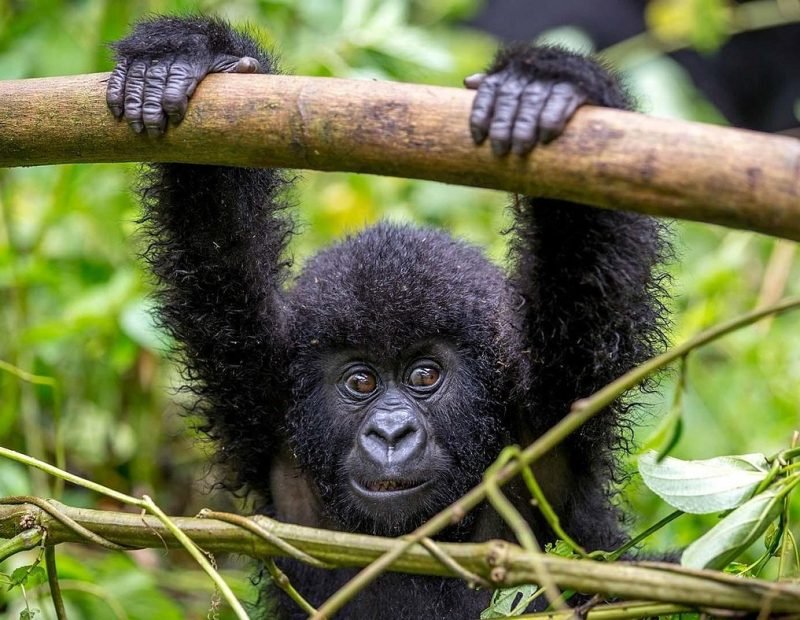
10 Day Best Of Uganda Safari
Ten days across Uganda at a sensible pace: Ziwa rhinos, Murchison Falls and the shoebill delta, Kibale chimpanzees, Queen Elizabeth, Ishasha and…
Uganda · Entebbe, Ziwa, Murchison Falls, Kibale, Queen Elizabeth, Ishasha & Bwindi
View itinerary 10 Day Best Of Uganda Safari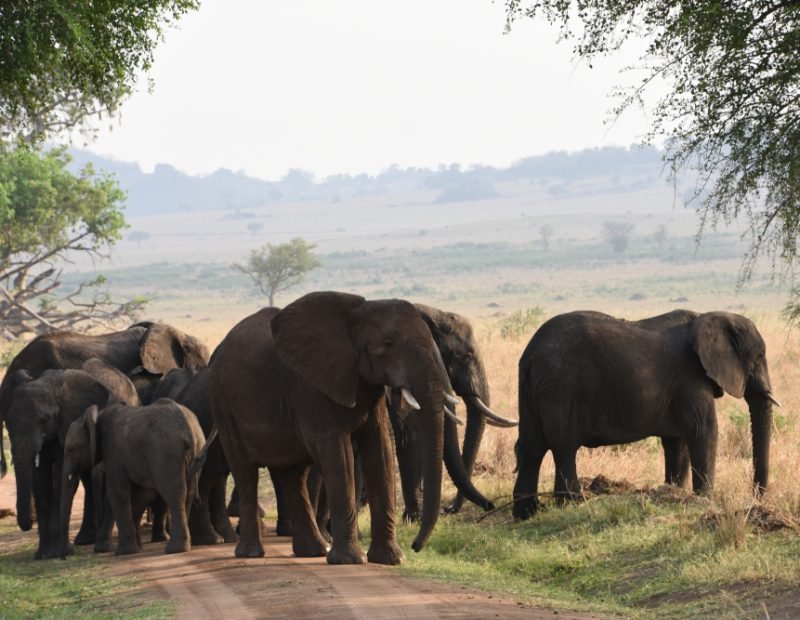
12 Day Uganda In Depth Safari
Twelve days across Uganda including a fly-in to remote Kidepo Valley, rhino at Ziwa, Murchison Falls, Kibale chimpanzees, Queen Elizabeth, Ishasha and…
Uganda · Kidepo Valley, Ziwa, Murchison Falls, Kibale, Queen Elizabeth, Ishasha & Bwindi
View itinerary 12 Day Uganda In Depth Safari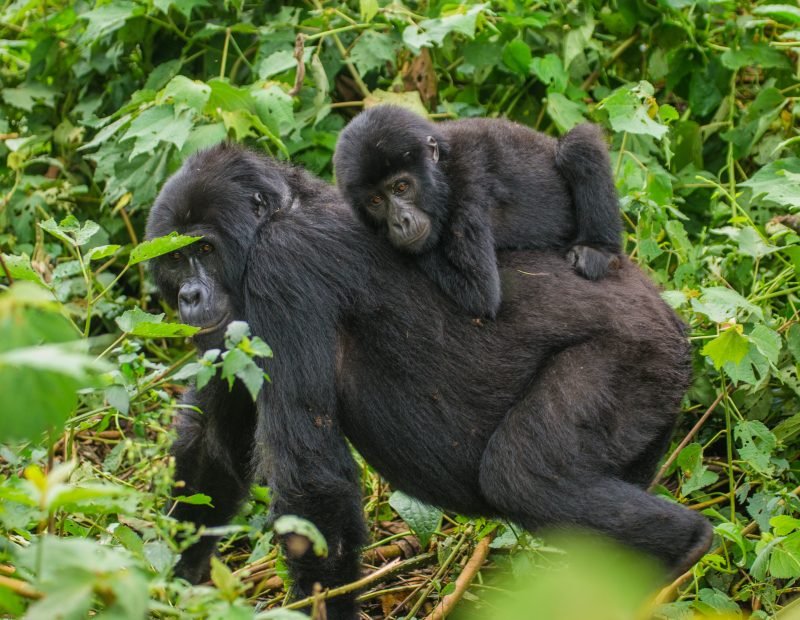
3 Day Bwindi Gorilla Trekking Safari From Kigali
A short Uganda gorilla safari starting in Kigali. Two nights at Bwindi Impenetrable National Park, one hour with a mountain gorilla family,…
Uganda · Bwindi Impenetrable National Park, Rushaga or Nkuringo · Starting in Rwanda
View itinerary 3 Day Bwindi Gorilla Trekking Safari From KigaliBuhoma Sector Gorilla Trekking in the North
Buhoma in the north is the original trekking area and still the most established. Park headquarters sit here, and the Mubare family, habituated in 1993, was the first group in Uganda opened to tourism. Habinyanja, Rushegura and Katwe are also tracked from this sector.
It is the most accessible sector, well connected to Kanungu and Rukungiri and served by the Kihihi airstrip nearby, which makes it the easiest to reach for anyone flying in from Entebbe. It also has the widest spread of accommodation, from budget guesthouses through community run lodges to high end properties on the forest edge.
Terrain in Buhoma is moderate by Bwindi standards, though nothing here is flat. Alongside gorillas, the sector offers the best developed non trekking activities in the park: nature walks, waterfall trails, birding, cycling and community tours.
If this is your first gorilla trek and you want the most infrastructure and the most fallback options, Buhoma is the sensible sector.
Ruhija Sector Trekking and Birding in the East
Ruhija sits at the highest elevation in the park, on the eastern side, and it is the quietest of the four sectors. The Bitukura, Oruzogo and Kyaguriro families are tracked from here.
Altitude changes the character of the trekking. It is colder, mistier and the forest feels older, and the walking involves steady climbing rather than the sharp descents that define the southern sectors. Visitor numbers are lower, so the briefing station is calmer.
Ruhija’s real distinction is birding. This is the best sector in Bwindi for Albertine Rift endemics, and the trail down to Mubwindi Swamp is one of the most sought after birding walks in Africa, principally for the African green broadbill. Birders who come to Uganda for that one species come here.
Accommodation is more limited than at Buhoma and the road in is rough, so build in transfer time.
Rushaga Sector and the Gorilla Habituation Experience
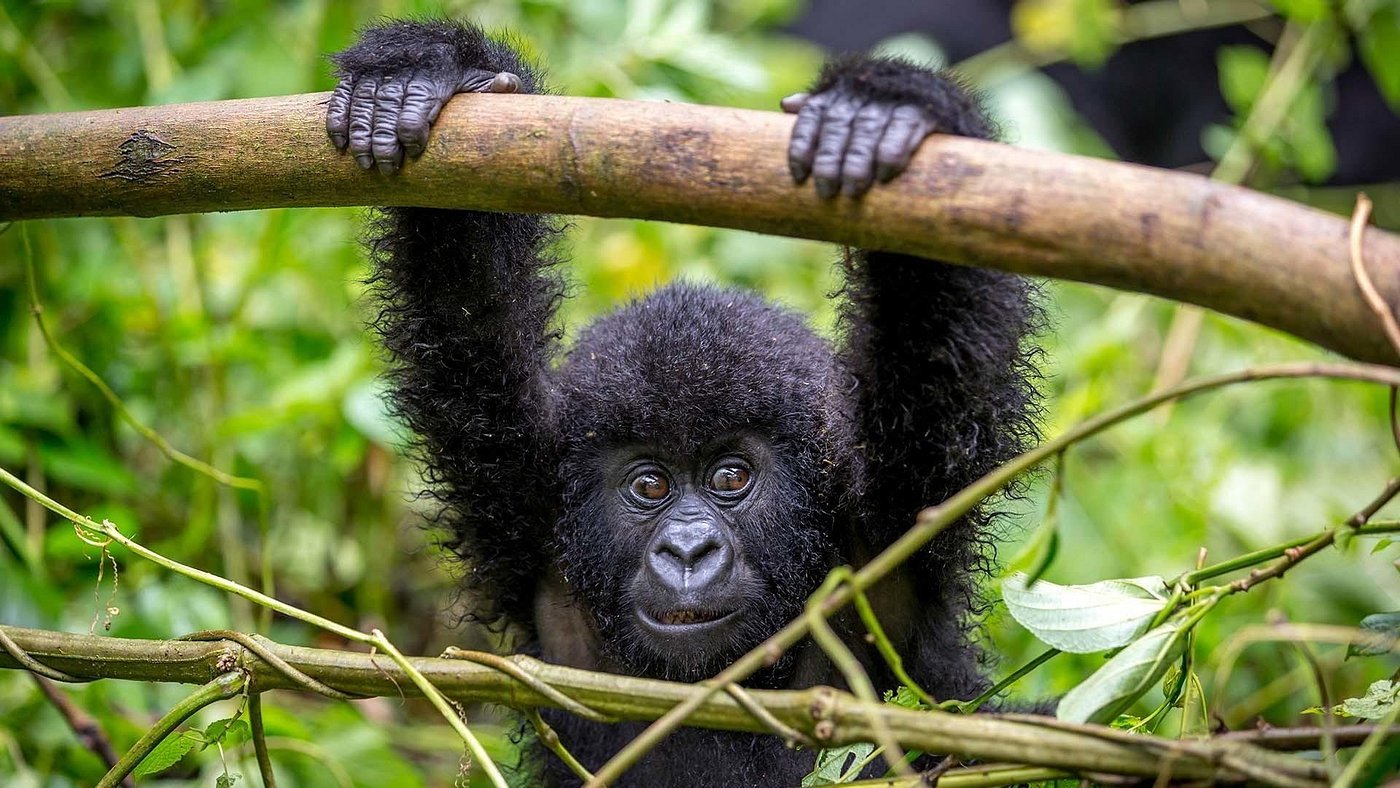
Rushaga in the south has more habituated families than any other sector, among them Nshongi, Kahungye, Bweza, Mucunguzi, Mishaya, Busingye and Bikingi. That concentration means the most permits and the widest choice of groups.
It is also the only place where the gorilla habituation experience is offered, and this is the thing that sets Bwindi apart from Rwanda entirely.
On a habituation experience you spend up to four hours with a group still going through the habituation process, rather than one hour with a fully habituated family. You go out alongside Uganda Wildlife Authority researchers and rangers doing the actual work of habituation, recording behaviour and movement. Only four visitors are permitted per day.
The gorillas behave differently. They are less settled around people, they move more, and the process of habituation itself becomes something you watch rather than something that happened before you arrived. For anyone seriously interested in gorilla behaviour, conservation research or photography, the extra hours change the experience fundamentally.
For a first gorilla visit, though, the standard one hour permit with a fully habituated family gives a more predictable and more settled sighting. Both are legitimate choices and they suit different travellers.
Four hours with a group still being habituated, alongside the researchers doing the work, and only four visitors a day. Nothing in Rwanda offers this, which is why serious primate travellers cross the border for it.
Nkuringo Sector Trekking on the Southern Rim
Nkuringo sits in the far south on a ridge above the forest, looking out over the Congo basin and across to the Virunga volcanoes. The Nkuringo, Christmas and Bushaho families are tracked here.
It is widely considered the most scenic sector and the most physically demanding. The briefing station sits high on the rim, so treks usually start with a long descent into the forest and finish with a hard climb back out at the end of the day when you are already tired. Guides here are candid about that, and porters are close to compulsory rather than optional.
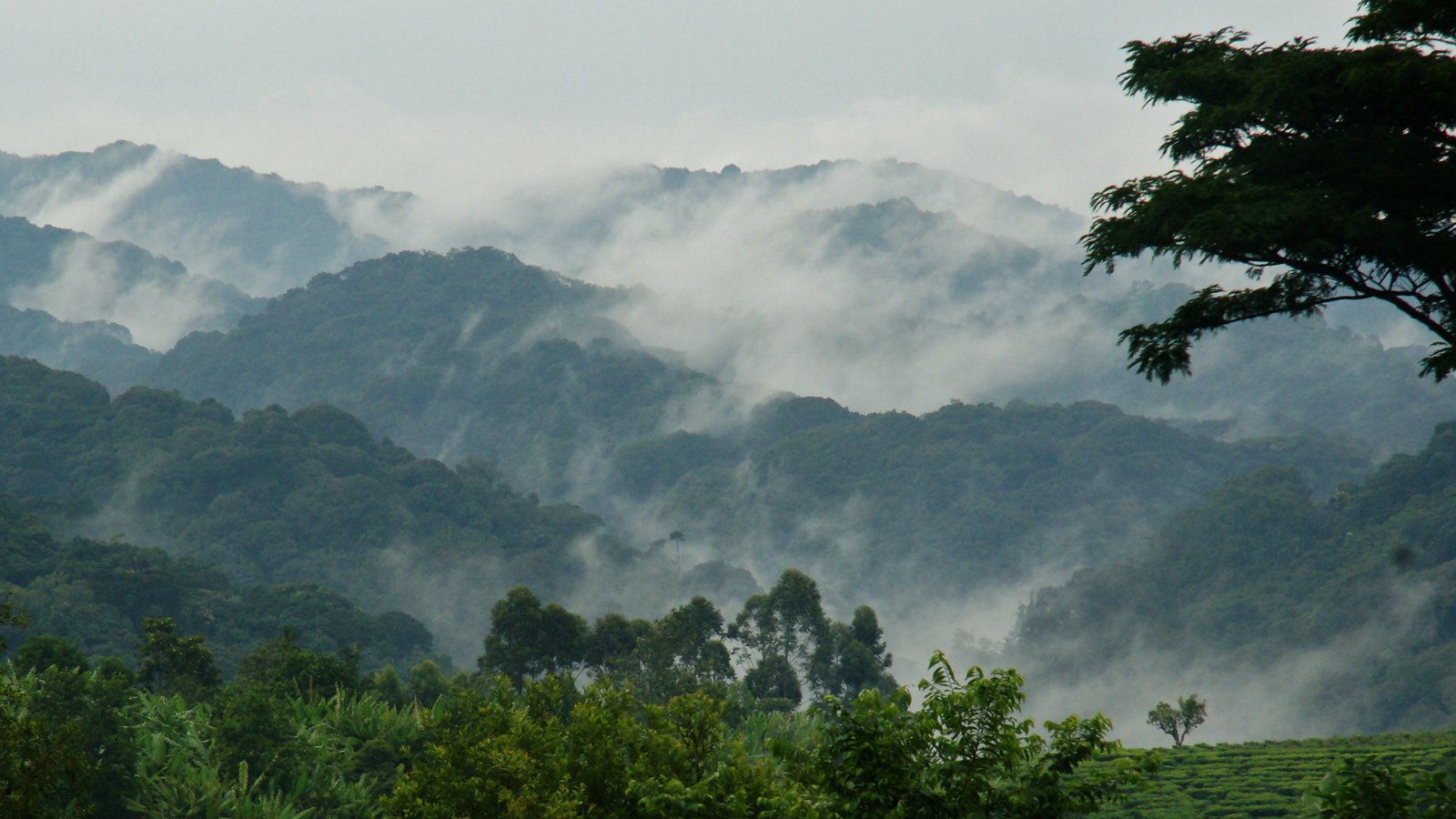
What you get in exchange is the finest setting of any sector and considerably fewer people. The views from the ridge at dawn, with mist filling the valleys below, are the images most associated with Bwindi.
Nkuringo is also the closest sector to Kisoro and to the Rwandan border, which makes it the natural choice for anyone arriving from Kigali.
Birding Safaris in Bwindi Impenetrable Forest
Bwindi is one of the finest birding forests on the continent, with around 350 recorded species including roughly 23 Albertine Rift endemics, alongside more than 200 butterfly species and over 160 tree species.
The African green broadbill is the headline target, found in the Mubwindi Swamp area below Ruhija and almost nowhere else accessible. Other endemics on birders’ lists include Grauer’s broadbill, Shelley’s crimsonwing, handsome francolin, Rwenzori turaco, Rwenzori batis, dusky crimsonwing and the collared apalis.
The Buhoma waterfall trail and the main road through the forest between Buhoma and Ruhija are both productive without needing a hard walk, and the road in particular gives canopy level views into the forest from the verge.
A dedicated birding guide is worth arranging separately from the gorilla trekking rangers. Two full days gives a serious list; one gives a taste.
Batwa Cultural Experiences and Community Walks
The Batwa lived in this forest as hunter gatherers for thousands of years and were moved out when the park was gazetted in 1991. Their situation since has been difficult, and cultural experiences run with Batwa communities are one route by which tourism revenue reaches them directly.
The Batwa experience takes visitors into forest edge with Batwa guides who demonstrate hunting techniques, fire making, medicinal plant use and traditional shelter building, and who talk about life inside the forest and what changed afterwards. It is genuinely informative and it is not a comfortable story, which is as it should be.
Alongside it, several community walks operate across the sectors. The Buhoma community walk covers a banana beer distillery, a traditional healer and a craft workshop. The Buniga Forest Walk near Nkuringo is Batwa led. Rubuguri village walk and the Nkuringo cultural centre offer similar.
These are among the better value activities in Bwindi and they need no gorilla permit.
Forest Walks, Waterfall Trails and Other Activities
Plenty happens in Bwindi beyond the gorillas, and travellers spending several nights should plan at least one non trekking day.
Waterfall Trail, Buhoma. Around three hours through the forest to a series of falls, with good chances of colobus, red tailed monkeys, butterflies and tree ferns along the way. The most popular walk in the park.
Muzabajiro Loop and River Ivi Trail. Longer walks from Buhoma, climbing to viewpoints over the forest and the Virungas or following old routes through the interior. Half day to full day.
Mubwindi Swamp Trail, Ruhija. The birders’ route, though rewarding for anyone. Steep in places and wet underfoot, running down into the swamp basin.
Cycling and mountain biking. Community run rides from Buhoma along the forest edge and into the surrounding hills, with bikes maintained by a local project.
Bwindi also holds around 120 mammal species, including forest elephant, several duiker species, giant forest hog and a population of chimpanzees, alongside eleven primate species. Sightings of the larger mammals are rare, but the sign is everywhere once a guide points it out.
Best Time for a Bwindi Gorilla Trekking Safari
Bwindi is open year round and gorilla trekking runs every day. Season affects the mud rather than the sighting.
June to August and December to February. The drier months and the peak trekking windows. Firmer trails, less mud on the steep sections and the best conditions for the Nkuringo climb. Permits are hardest to secure for these dates.
March to May. The long rains, and the wettest walking of the year in an already wet forest. Permits are easier to get and low season rates apply. Perfectly possible with a porter and the right boots.
September to November. Short rains, usually afternoon showers. Quieter than the peak, good birding as migrants arrive, and reasonable trail conditions if you start early.
Any month. Bwindi is rainforest and rain is possible on any day of the year. Waterproofs, gaiters, gardening gloves against the nettles and boots with real grip belong in the bag regardless of season.
Getting to Bwindi from Kigali and Entebbe
This is where a lot of trip planning turns, and the answer surprises people. Kigali is considerably closer to Bwindi than Entebbe is.
From Kigali, the southern sectors at Rushaga and Nkuringo are around four to five hours by road, crossing at Cyanika or Katuna. Buhoma in the north takes longer, roughly six to seven hours. Many travellers fly into Rwanda, trek gorillas in Uganda, and fly out of Rwanda again.
From Entebbe the drive is eight to ten hours, usually broken overnight at Lake Mburo, Mbarara or Lake Bunyonyi. Domestic flights run from Entebbe to Kihihi airstrip for Buhoma and Ruhija, and to Kisoro for Rushaga and Nkuringo, cutting the day considerably.
The East Africa Tourist Visa covers Rwanda, Uganda and Kenya on one document, which makes the cross border routing straightforward rather than complicated.
Bwindi combines naturally with Queen Elizabeth National Park to the north, with Lake Bunyonyi for a rest stop, and with Volcanoes National Park across the Rwandan border for anyone wanting two gorilla treks in different forests.
Choosing the right sector is the whole game in Bwindi, and it depends on your fitness, your interests and where you are flying into. Intare Safaris is based in Rwanda and operates across the border in Uganda, which means they can route you into Rushaga or Nkuringo from Kigali in an afternoon, arrange the habituation experience, and build Bwindi into a wider circuit taking in Volcanoes, Queen Elizabeth or Kibale.
Tell Intare Safaris which airport you are flying into and how much walking you are comfortable with, and they will match you to the sector that suits rather than the one with the easiest permits to sell.