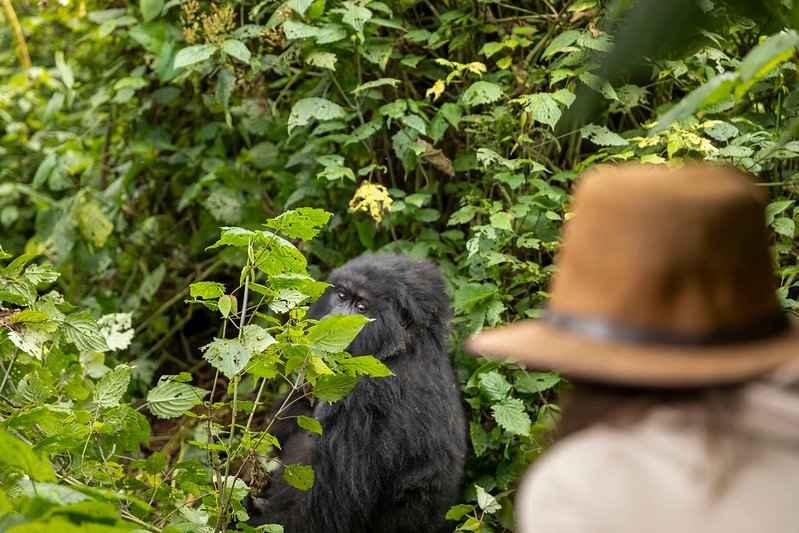
To book a safari in Rwanda you start with the gorilla permit, because everything else in the itinerary is built around the date you secure. Permits are issued by the Rwanda Development Board and can be bought through the government Irembo portal or arranged by a licensed tour operator. They are sold first come, first served, capped at eight visitors per gorilla family per day, and peak season dates go many months ahead.
That sequence is the single most important thing to understand. Travellers who book flights and lodges first and then look for a permit routinely find themselves rearranging the whole trip. Permit first, then everything else.
Start With the Gorilla Permit
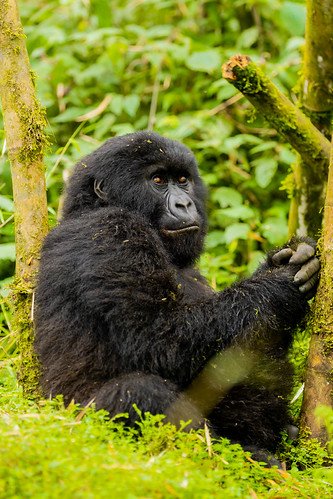
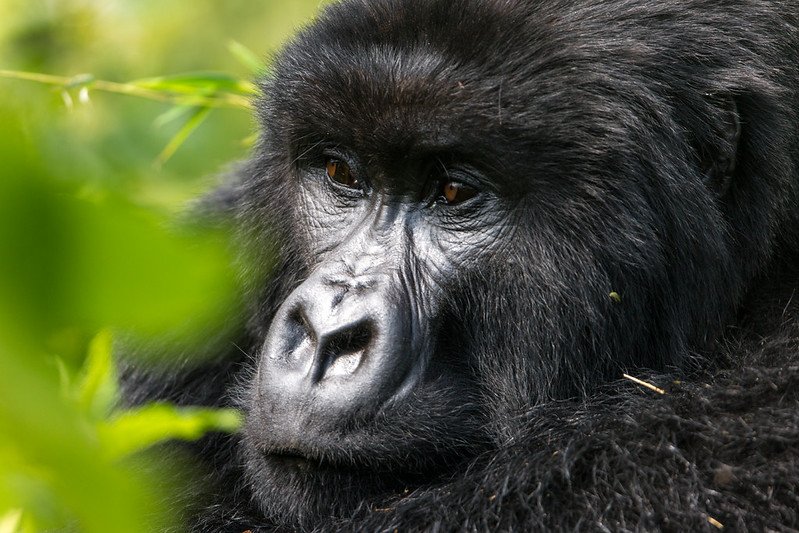
Volcanoes National Park has around a dozen habituated gorilla families open to tourism, and each takes a maximum of eight visitors per day. Multiply those out and you have the total number of people who can trek gorillas in Rwanda on any given morning, which is a small number by the standards of global tourism demand.
Nothing about that cap flexes. There is no waiting list that magically produces extra places, no upgrade that gets you in on a full day, and no operator who has a private allocation. Anyone claiming otherwise is not telling you the truth.
So the first question to settle is not where you will stay or how long you will travel for. It is which dates have permits available, and whether you can build a trip around them.
If your dates are fixed and inflexible, check permit availability before you book international flights. If your dates are flexible, secure the permit first and let it set the shape of the trip. Doing it the other way round is the most common and most expensive mistake in Rwanda travel.
How Gorilla Permits Are Issued in Rwanda
All permits come from the Rwanda Development Board, which manages and regulates tourism across the country. There are two legitimate routes to one.
The first is direct, through the government’s Irembo portal. You pick an available slot, complete the forms, upload supporting documentation and pay. The system issues a permit automatically once the application is complete. Payment is by card and the process is reasonably straightforward for anyone comfortable with online government systems.
The second is through a licensed tour operator, who checks availability, provisionally holds the slot, handles the payment to the RDB and sends you a scanned copy of the issued permit.
One point deserves emphasis because it catches people out. Documents are verified at the park gate on the morning of the trek. Applications made with wrong details, incomplete information, an expired identity document or the wrong product will be refused entry even if a permit was paid for and issued by the system. The RDB accepts no liability for that. Accuracy at the application stage is not a formality.
Booking Direct Versus Through a Tour Operator
Both work, and which suits you depends on how much of the rest you want to handle yourself.
Booking direct through Irembo. You control the transaction and see availability yourself. You are then responsible for everything else: transport from Kigali, accommodation near the briefing point, getting yourself to Kinigi by seven in the morning, and every other activity separately. Experienced independent travellers manage this without difficulty.
Booking through a licensed operator. The permit is handled alongside vehicles, driver guides, lodges and the rest of the itinerary, so the pieces are sequenced correctly. Operators also know which families suit which fitness levels and where to sleep so the pre dawn start is survivable. More useful the shorter your trip and the more parks you want to cover.
The permit price itself is set by government and is identical whichever route you take. What differs is everything wrapped around it. That is worth knowing when comparing quotes, since a cheaper quote is never a cheaper permit.
If you use an operator, check they are licensed and registered in Rwanda. Ask directly whether the permit will be issued in your name and whether you will receive a copy before travel. Both answers should be yes without hesitation.
How Far Ahead to Book by Season
Lead times vary enormously by season, and the guidance below reflects what actually happens rather than what is comfortable to hear.
June to September. The peak. Nine to twelve months ahead is the realistic window if you want specific dates, and July and August are the tightest of all. Three months out you will be taking whatever is left rather than choosing.
Mid December to February. Six months ahead is usually sufficient, though the Christmas and New Year period behaves like peak season and needs the same lead time as August.
March to May. The long rains and the easiest availability. Three months ahead is often enough, and shorter notice sometimes works. This is where flexible travellers get the best of it.
October and November. Short rains and moderate demand. Three to six months ahead is a sensible target, with reasonable prospects of getting the dates you want.
Certain gorilla families fill faster than others because their territory sits on easier ground, so requests for the gentler treks are the first allocations to go. Note that you cannot choose a family at booking in any case; assignment happens at the briefing on the morning.
What Information You Need to Book
Have this ready before you start, whether booking direct or through an operator.
Full names exactly as they appear on the passport, for every traveller. Nationality. Passport number and a scanned copy of the passport. Date of birth, which matters because the minimum age for gorilla trekking is fifteen and it is enforced. Email address and phone number. Your intended trekking date, and ideally a second and third choice.
Nationality affects which rate band applies, since Rwandan citizens, East African residents and international visitors pay different amounts. Applying under the wrong category is one of the errors that gets people turned away at the gate.
If any traveller’s passport is close to expiry, renew it before applying. A permit issued against a document that has since expired creates a problem on trek morning that nobody at the gate can solve for you.
Documents are checked at the park gate. A permit that was paid for but applied for with the wrong details will not get you through, and the Rwanda Development Board says so plainly.
Deposits, Balances and Cancellation
Booking through an operator normally involves a deposit to secure permits, with the balance settled before travel. A common pattern is a deposit at confirmation and the remainder due around a month before the trekking date, though terms vary between companies and you should have them in writing.
Permits are, as a rule, non refundable. This is the part people most often fail to plan for. The RDB may consider a partial refund in cases of serious illness or injury with supporting evidence and sufficient notice, but this is discretionary rather than a right.
Date transfers are more achievable than refunds. A permit can often be moved to another date, subject to availability and usually with reasonable notice, so if your plans wobble it is far better to reschedule early than to cancel.
All of which makes comprehensive travel insurance a practical necessity rather than an optional extra. Make sure the policy covers trip cancellation and that it covers trekking at altitude, since some policies exclude it.
One further point on cancellations for reasons within your own control: you will not be allowed to trek if you arrive at the briefing with flu, a cough or a fever, because of the disease risk to the gorillas. Rangers do check and they do turn people away.
Booking Chimpanzee, Golden Monkey and Akagera Activities
Everything beyond gorillas is considerably easier to arrange, which is why the permit drives the planning.
Golden monkey permits in Volcanoes National Park are far more available than gorilla permits and can sometimes be arranged close to travel or at park headquarters on the morning. Chimpanzee trekking in Nyungwe should be booked in advance, particularly for Cyamudongo, though lead times are weeks rather than months.
The Nyungwe canopy walkway runs several guided departures a day and books out in busy periods, so reserve rather than turning up. Colobus tracking has multiple daily sessions and is more flexible.
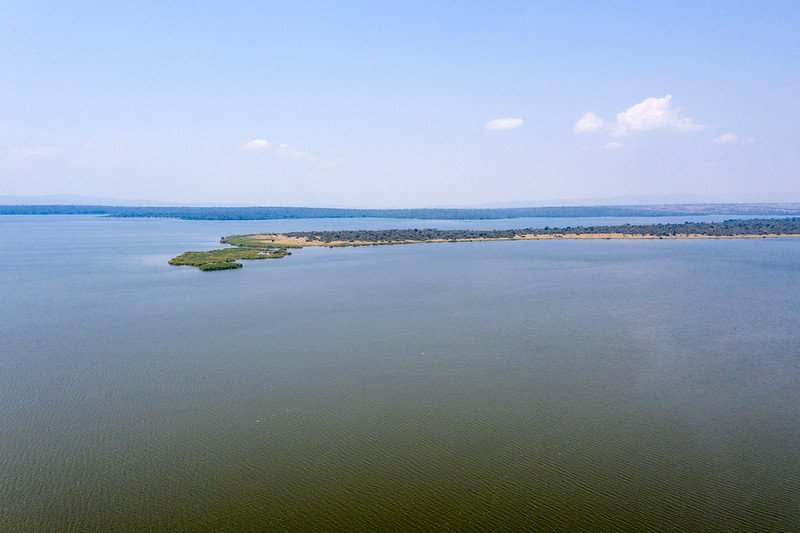
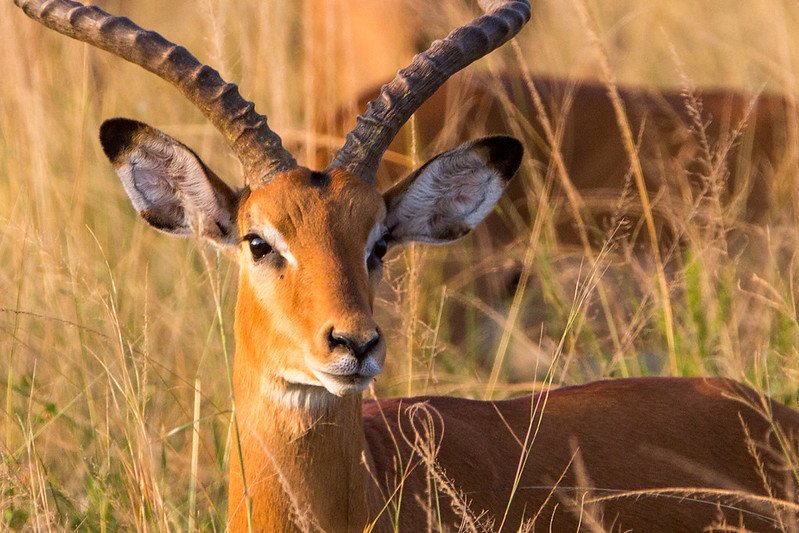
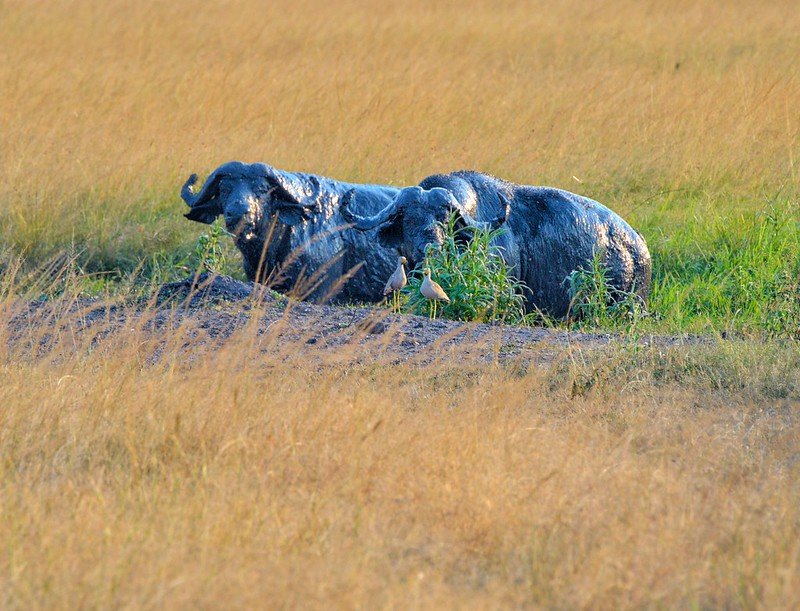
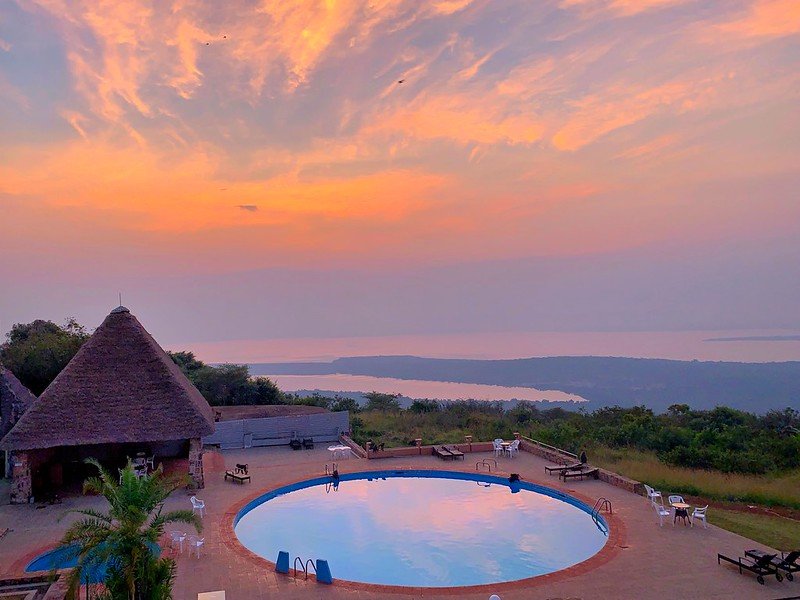
In Akagera, park entry and game drives can be arranged at reception, and self drive entry is through the southern gate. Boat safaris on Lake Ihema run to a schedule and the sunset departure fills first in the dry season, so book ahead. Night drives and walking safaris are restricted to guests staying inside the park, which is a booking decision rather than a booking process.
Building the Rest of the Itinerary Around Your Permit Date
Once the permit date is fixed, the itinerary largely assembles itself, because Rwanda is compact and the road network is good.
Volcanoes National Park is around two hours north of Kigali, Akagera two hours east, Lake Kivu three hours west, and Nyungwe five to six hours southwest or forty minutes by air to Kamembe. Gishwati Mukura sits on the Kivu road between the volcanoes and Nyungwe.
A workable sequence is to arrive in Kigali, transfer north the same day or the next, trek gorillas, then move west and south through Kivu to Nyungwe, or east to Akagera. Finishing on Akagera or Lake Kivu leaves the easy days at the end, which suits most people better than the reverse.
Build in a buffer day before the trek. Flight delays happen, and a missed permit is not refunded because you were late.
Accommodation, Vehicles and Getting Around
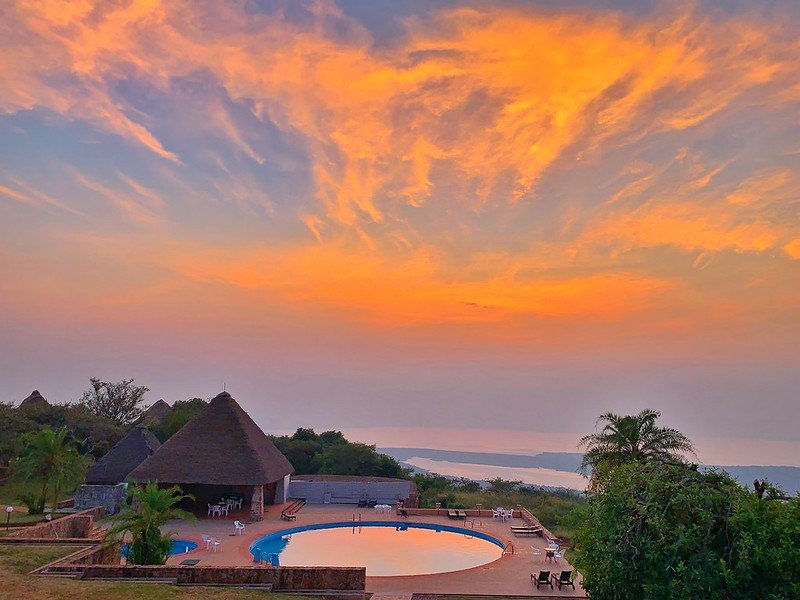
Lodges near Kinigi are small and they fill in step with permits, so book accommodation immediately after securing the trekking date rather than weeks later. Proximity to the briefing point matters more than it sounds when the alarm goes at half past four.
A vehicle is part of any realistic plan. There is no useful public transport from Musanze up to Kinigi, and Akagera‘s internal tracks need a four wheel drive in the wet months. Options run from self drive hire through a car with a driver to a full guided safari vehicle, and the right choice depends on how many parks you are covering.
Helicopter transfers exist between Kigali, Volcanoes and Akagera for anyone short on time. RwandAir flies Kigali to Kamembe for Nyungwe, which turns a long road day into a short flight.
Visas, Insurance and Practical Requirements
Most nationalities can obtain a Rwandan visa on arrival at Kigali International Airport, and the East Africa Tourist Visa covers Rwanda, Uganda and Kenya on a single document, which matters if you plan to pair gorilla trekking with Bwindi or the Maasai Mara. Check current requirements for your own passport close to travel.
Yellow fever vaccination requirements depend on your route and where you have travelled recently, so confirm rather than assume. Travel insurance covering cancellation, medical evacuation and altitude trekking is strongly advisable.
Plastic bags are banned countrywide and are confiscated at the airport, so repack before you fly. Check that your passport has sufficient validity remaining, since permit applications are tied to the document you upload.
Common Booking Mistakes to Avoid
A short list of the errors that recur most often, all of them avoidable.
Booking flights before permits. Assuming dry season availability at three months’ notice. Entering names that do not match the passport exactly. Applying under the wrong nationality band. Leaving accommodation until after permits are confirmed, by which point the good lodges near the park are full. Planning a summit hike the day before a gorilla trek and arriving on tired legs. Skipping travel insurance on a non refundable permit. Arriving in Kigali the same morning as the trek with no buffer for delays.
None of these are exotic problems. They are simply the consequences of booking in the wrong order.
Booking a Rwandan safari is not complicated, but it is unforgiving of sequence, and the difference between a smooth trip and a scramble is usually decided months before departure. Intare Safaris is based in Rwanda, handles RDB permit applications daily, and can tell you straight away what is available for your dates and whether the rest of your plan fits around it.
Send Intare Safaris your preferred dates, the number of travellers and their ages, and you will get a clear answer on permit availability before you commit to anything else.