
6 Day Tanzania Northern Circuit Safari
Tanzania · Tarangire, Lake Manyara, Serengeti National Park & the Ngorongoro Crater
- 6 days, 5 nights
- Customisable itinerary
- Private departure
Trip overview
The classic northern circuit, and the shortest itinerary that includes the Serengeti without making every day a transfer. Tarangire for elephants and baobabs, Lake Manyara for forest and rift wall, two full days in the Serengeti with Olduvai Gorge on the way in, and the Ngorongoro Crater floor to finish. Six days, four parks, and roughly 1.5 million wildebeest somewhere in the ecosystem depending on when you come, which is the conversation to have with us before you book your dates.
Customise this trip for a perfect match
-
Private and tailor-made Your own vehicle, driver guide and pace. Nothing on this page is fixed — days can be swapped, added or dropped.
-
Routed by people who drive it Every itinerary here was planned by someone who has driven the road, and the planner who answers you is the one who builds it.
-
Licensed and accredited Registered with the Rwanda Development Board and a member of the Rwanda Tours and Travel Association.
-
Support while you travel One number reaches the Kigali office around the clock for the whole time you are on the ground.
A draft itinerary costs nothing and commits you to nothing. Tell us what you would change and a planner rewrites it as many times as it takes.
The route
- Start and finish
- Starts and ends at Kilimanjaro Airport or Arusha
- Length
- 6 days, 5 nights
- How it runs
- Four parks including the Serengeti
- Countries
- Tanzania
Itinerary
Day 1
Arusha To Tarangire National Park
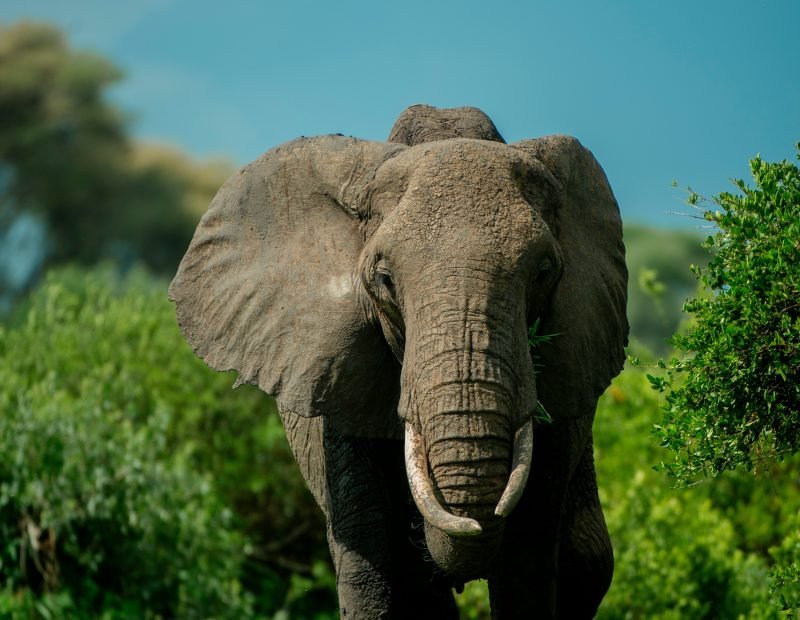
Our driver guide meets you at Kilimanjaro International Airport or your Arusha hotel and we head southwest, roughly two hours and 120 kilometres through Maasai country to the Tarangire gate. The park covers about 2,850 square kilometres and the Tarangire River running through it is the only permanent water for a long way in any direction, which is what draws everything in during the dry months. We go straight in for an afternoon game drive along the river corridor. Elephant are the reason to come: in the dry season herds of 100 to 300 animals gather on the banks, with as many as three thousand converging on the park. Baobabs stand across the grassland, some over a thousand years old, gouged by elephants for the moisture in their trunks. Lions climb trees here too, particularly near the Silale Swamp in the south, which surprises people who think Lake Manyara has a monopoly on the habit.
Day 2
Tarangire To Lake Manyara
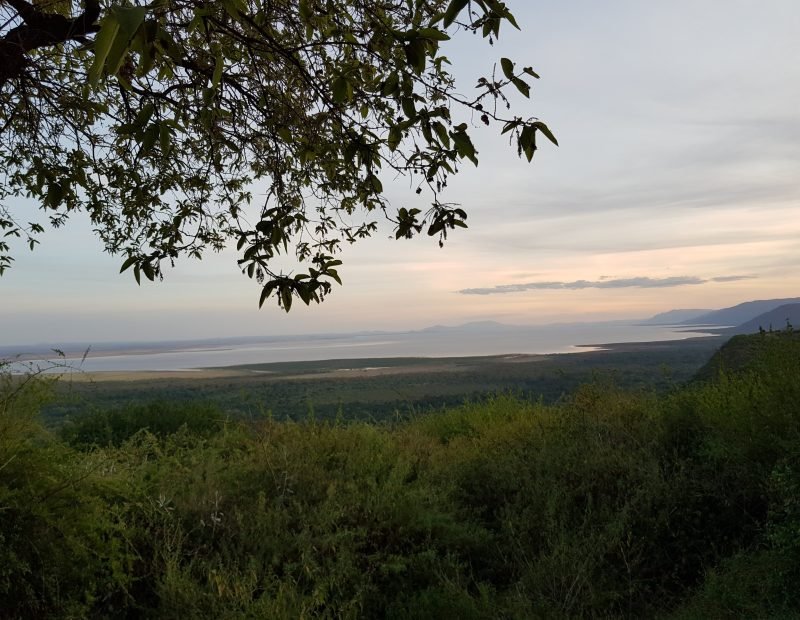
A morning game drive in Tarangire before we move, working the river while the light is good, then the short drive north to Lake Manyara, only about an hour. The park covers roughly 330 square kilometres, two thirds of which is the lake, sitting beneath the 600 metre Gregory Rift escarpment. The entrance drops you into groundwater forest, mahogany and fig fed by springs rather than rainfall, with troops of olive baboon sometimes over a hundred strong and blue monkeys in the branches. Beyond it the country opens into floodplain with elephant, buffalo, giraffe and waterbuck, and tree climbing lions resting in acacia through the heat, which are a genuine possibility rather than a promise. Manyara has recorded around 400 bird species, with flamingos and pelicans on the shallows when water levels suit. Overnight at Karatu on the crater highlands, which sits high enough to be genuinely cool after dark.
Day 3
Karatu To The Serengeti Via Ngorongoro And Olduvai Gorge
The long transfer, and one of the better road days in Africa. We climb onto the Ngorongoro rim and skirt the caldera, stopping at a viewpoint that gives your first look down into it, then descend onto the plains beyond. About halfway we stop at Oldupai Gorge, more commonly written Olduvai, which cuts through the plains and exposes sediment spanning close to two million years. Excavations here by the Leakeys produced Homo habilis and a long sequence of stone tools that rewrote the story of human evolution, and the museum on the rim covers it properly. Nearby at Laetoli, fossil footprints show hominins walking upright 3.6 million years ago. Then on into the Serengeti, roughly four to five hours in total, with an afternoon game drive as you reach Seronera. The name comes from the Maa word siringet, meaning endless plains, and standing on the short grass south of Naabi Hill you understand why.
Day 4
A Full Day In The Serengeti
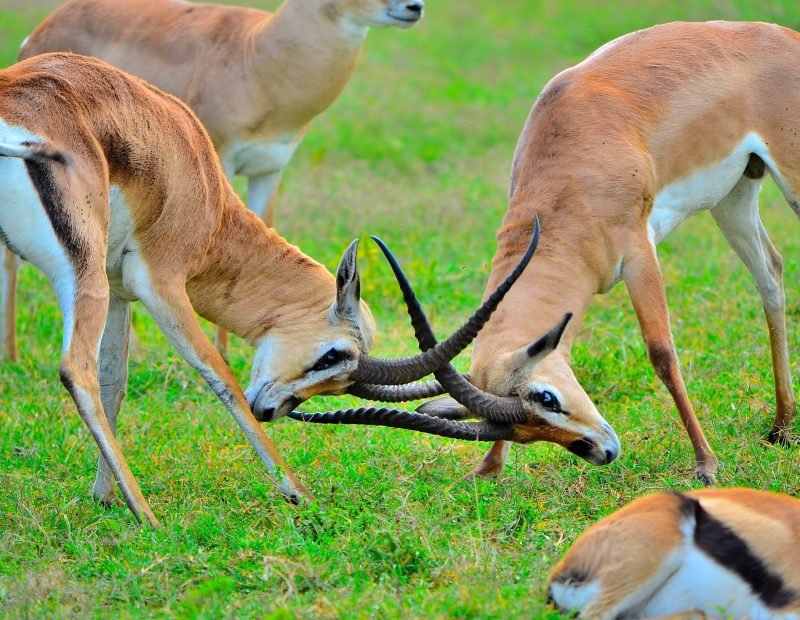
A full day working the central Serengeti, which is the park’s year round heart and the reason it delivers in any month. The Seronera river valley holds permanent water, which sustains resident prey and with it resident predators. Lion prides here are large and well established, leopard are found with unusual reliability along the riverine forest, often draped in the big sausage trees, and cheetah work the open ground to the south and east. Granite kopjes rise from the plains, weathered outcrops that hold water in their hollows and act as lookouts and den sites, and lion on a kopje at sunrise is the picture people carry away. The Serengeti covers roughly 14,750 square kilometres and was listed as a UNESCO World Heritage Site in 1981. Where we drive depends on where the herds are for your dates, and our guide will plan the day around the most recent sightings rather than a fixed route.
Day 5
Serengeti To The Ngorongoro Crater Rim
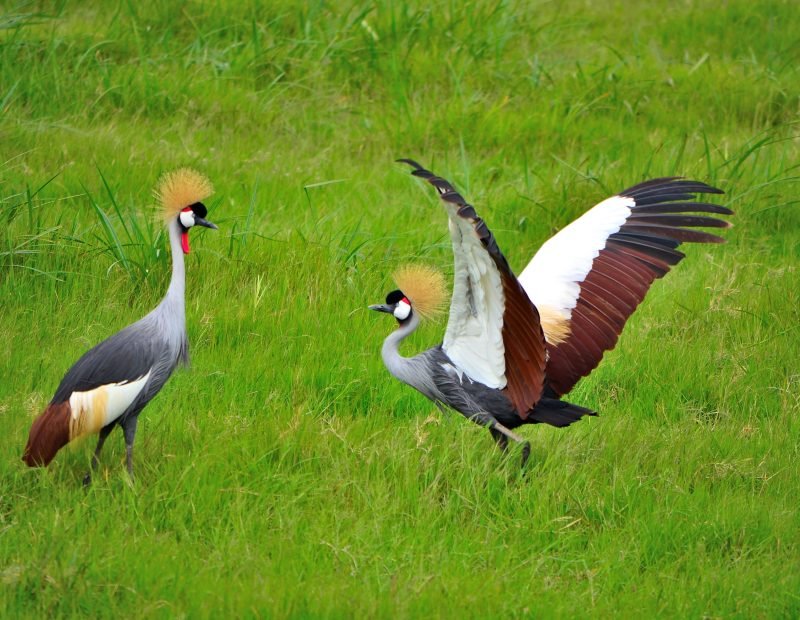
An early game drive in the Serengeti while the light is at its best, then we turn east and climb back towards the crater highlands, game viewing along the way rather than driving straight through. The plains give way to acacia woodland and then to the forested slopes of the Ngorongoro Conservation Area, which covers about 8,300 square kilometres and was established in 1959 as a multiple land use area where Maasai pastoralists graze cattle alongside wildlife. You will pass bomas, cattle herds and young herders on the way up, and that coexistence is the point of the place rather than an inconvenience to drive around. We reach the rim in the late afternoon, with the whole caldera opening below you as you come over the lip. It sits above 2,200 metres and gets genuinely cold after dark, so the fleece you packed earns its place. Dinner with the caldera below you, and an early night, because tomorrow starts before dawn.
Day 6
The Ngorongoro Crater Floor And Return To Arusha
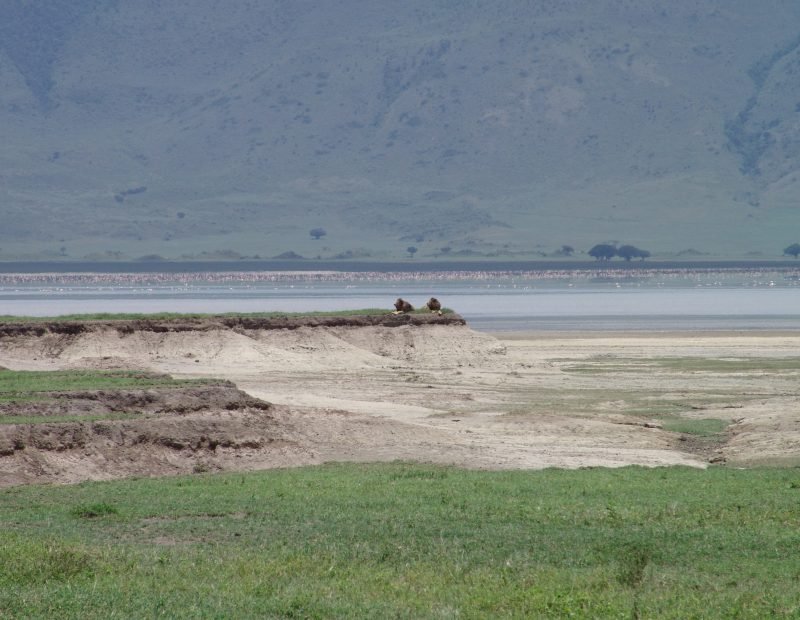
An early descent, because time on the floor is capped and the first hours are the best. The road drops through forest and opens onto a bowl 19 kilometres across with walls rising some 610 metres and a floor of about 260 square kilometres, the largest unbroken caldera in the world. Roughly 25,000 large animals live inside it year round, and the containment is why it works: lion prides in the open, hyena clans, elephant bulls with heavy ivory, buffalo, zebra, wildebeest and serval hunting the grass. This is also the best black rhino ground in East Africa, usually seen at distance near the Lerai Forest early on, so keep the binoculars up. Flamingos gather on Lake Magadi in the middle of the floor, and hippo lie in the Ngoitokitok springs where there is a picnic site and you can leave the vehicle. Up and out by mid afternoon, then the drive down through Karatu and Mto wa Mbu to Arusha or Kilimanjaro for your flight, roughly four hours.
Send them the itinerary before you decide. Everything on this page prints on to a few clean pages with the photographs and the day notes intact.
Quickly customise this itinerary
What is and is not included
Included
- Park entry fees for Tarangire, Lake Manyara, the Serengeti and the Ngorongoro Conservation Area
- Ngorongoro Crater descent fee
- All game drives shown in a private 4×4 safari vehicle with a pop up roof
- Professional Tanzanian driver guide throughout
- Airport pickup and drop off at Kilimanjaro International Airport or your Arusha hotel
- Oldupai Gorge museum entry on the transfer day
- Five nights accommodation at your chosen tier, including two in the Serengeti
- Meals as shown in the itinerary, with picnic lunches on full game drive days
- Drinking water in the vehicle throughout
- All government taxes and levies on the above
Not included
- International flights to and from Kilimanjaro
- Tanzanian visa
- Travel insurance
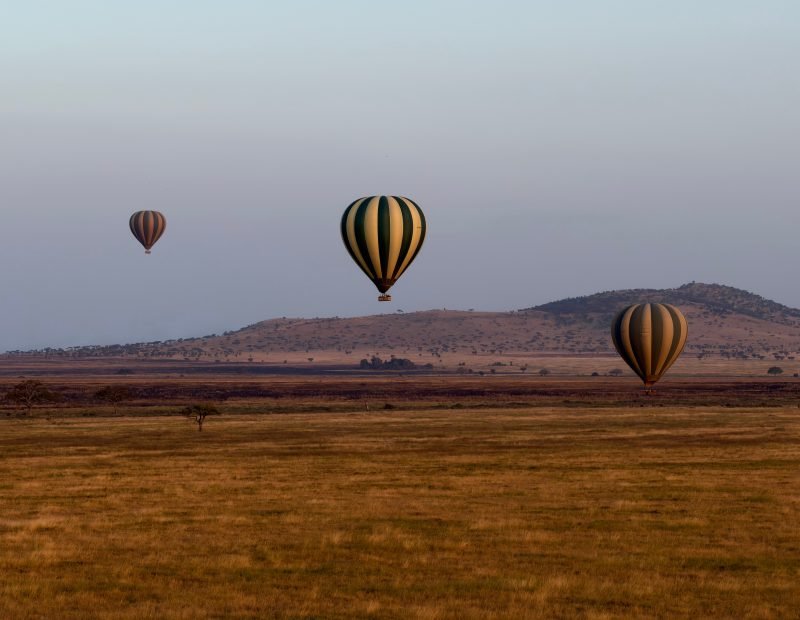
- Hot air balloon safari over the Serengeti, bookable in advance
- Optional light aircraft transfers between the Serengeti and Arusha
- Maasai boma visits and the Mto wa Mbu cultural walk
- Lake Manyara canopy walkway and night game drives
- Tips for our guide and lodge staff
- Drinks, laundry and personal items
- Anything not listed under What’s Included
Before you book
Why Would You Want To Do This Safari?
Because six days is the point at which the Serengeti stops being a rushed add on and becomes a real part of the trip. Shorter itineraries either leave it out or give it a single night, which means most of your time there is spent arriving and leaving. Two full nights at Seronera gives you two dawns, which is when the cats are moving. Around it you get the other three pillars of the northern circuit: Tarangire’s elephant density, unmatched anywhere else in northern Tanzania, Lake Manyara’s forest and rift wall, and the Ngorongoro Crater, where 25,000 animals live inside a collapsed volcano and black rhino are seen more reliably than anywhere in East Africa. Olduvai Gorge on the transfer day costs almost no time and adds two million years of human history to a wildlife trip, which very few itineraries bother to include.
Is This 6 Day Tanzania Safari Enough?
For the northern circuit, yes, provided you understand what two Serengeti nights buy you. They are enough for the central Seronera area and its resident predators, which perform in every month. They are not enough to chase the migration properly. The herds move on a continuous circuit driven by rainfall, and being in the right region matters more than the calendar: calving on the southern plains from December to March, the Grumeti crossings in the western corridor around June, the Mara River crossings in the north from July to October. Reaching the north or the west from Seronera means a long drive or a light aircraft transfer, and either needs extra days. If the migration is your reason for coming, tell us your dates and we will tell you honestly whether six days works or whether eight is the number.
How Much Will This Safari Cost?
Park fees in Tanzania are substantial and set by the authorities, so they cost the same wherever you book. The Serengeti and the Ngorongoro crater descent are the two largest, and together they make Tanzania a more expensive destination per day than its neighbours before a single night of accommodation is counted. Beyond that, lodging is the main variable: the Serengeti runs from public campsites through mid range tented camps to high end mobile camps that move with the herds, and the crater rim carries a premium for the view and the earlier descent. Group size counts, since a vehicle and driver guide split between four costs each traveller far less than between two, and June to October sits at peak rates. Balloon safaris and light aircraft transfers are quoted on request.