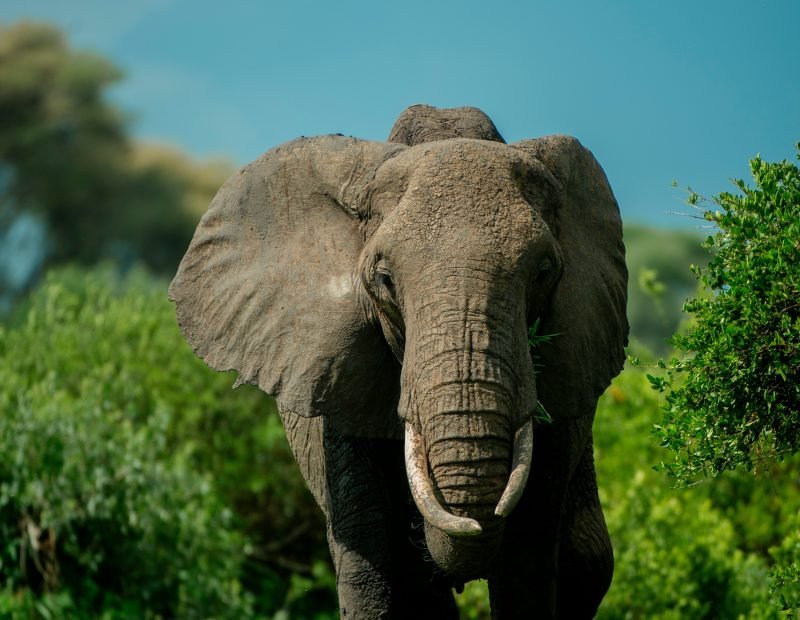
Tarangire National Park covers roughly 2,850 square kilometres in northern Tanzania about two hours from Arusha, and it holds the highest elephant density anywhere in the northern circuit. During the dry season several thousand elephants converge on the Tarangire River in herds that regularly run to two or three hundred animals. The park is also known for its ancient baobabs, the Silale Swamp in the south, tree climbing lions and a bird list of over 550 species, the longest of any Tanzanian park.
Tarangire is the most seasonal park on the circuit by a wide margin, and it is also the most consistently underrated. Most itineraries give it a rushed half day on the way to Ngorongoro, which is a mistake in the dry months and a sensible economy in the wet ones.
Elephant Safaris in Tarangire National Park
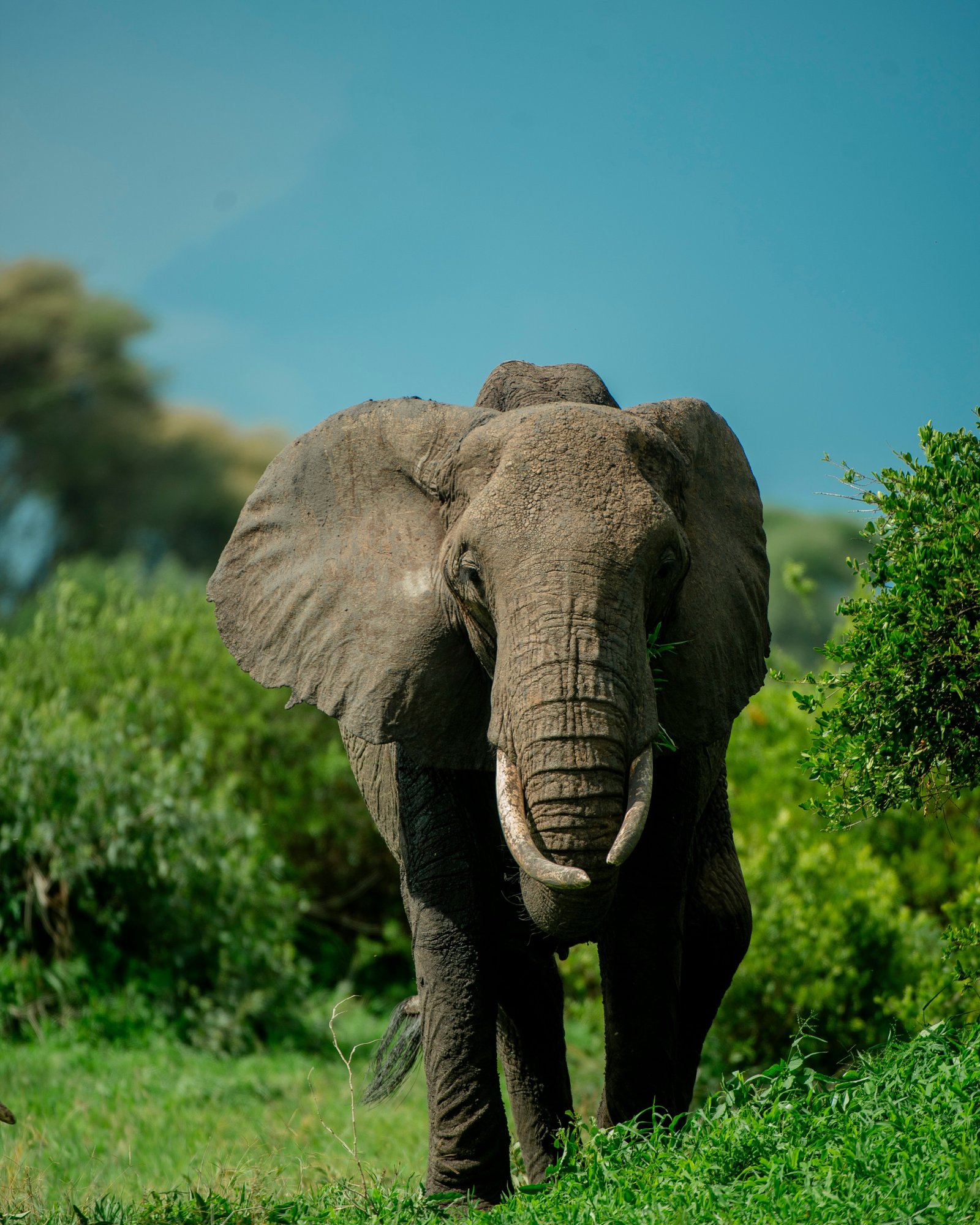
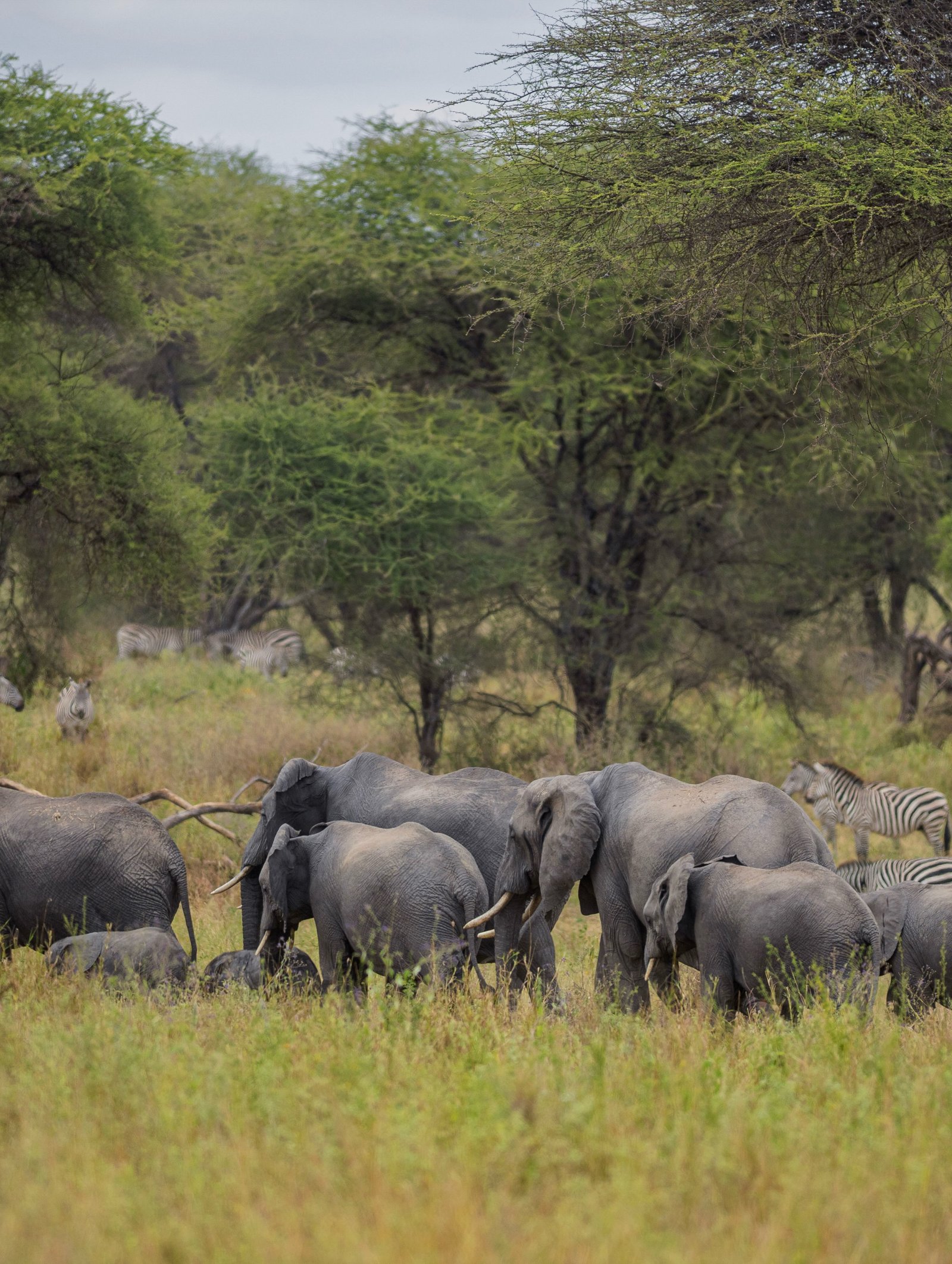
Elephants are the reason to come. Figures quoted for the dry season population range from around two thousand to four thousand, and the honest answer is that estimates vary because the animals move in and out across the boundary. What is not in dispute is that Tarangire carries more elephant than anywhere else in northern Tanzania.
Herds of a hundred to three hundred along the river in September are not a marketing line. They are the normal state of the park at that time of year, and standing among that many animals in one place changes how you think about elephants.
What matters more than the count is the behaviour. These are relaxed, well habituated animals that walk past vehicles without much interest. You watch them dig for water in the dry riverbed, strip bark from baobabs for the moisture inside, spar, bathe in the swamp margins and move in family groups with calves at the centre.
The biggest tuskers tend to hold to the quieter southern section, away from the day visitors who work the northern river corridor.
Tarangire in April is a different park from Tarangire in September. During the wet season the herds disperse out onto the Maasai Steppe beyond the boundary and the park empties. If someone sells you Tarangire as a wildlife highlight in the long rains, be sceptical.
Safari packages visiting Tarangire National Park
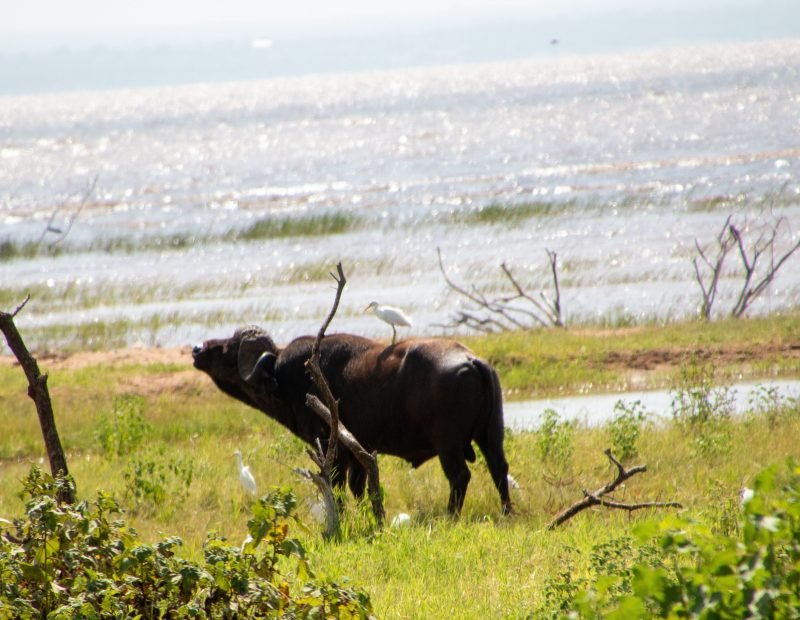
10 Day Tanzania Northern Circuit Fly-In Safari
Ten days across Tanzania with four Serengeti nights reached by light aircraft, plus Tarangire, Lake Manyara and a full day on the…
Tanzania · Arusha, Tarangire, Lake Manyara, Ngorongoro Crater & the Serengeti
View itinerary 10 Day Tanzania Northern Circuit Fly-In Safari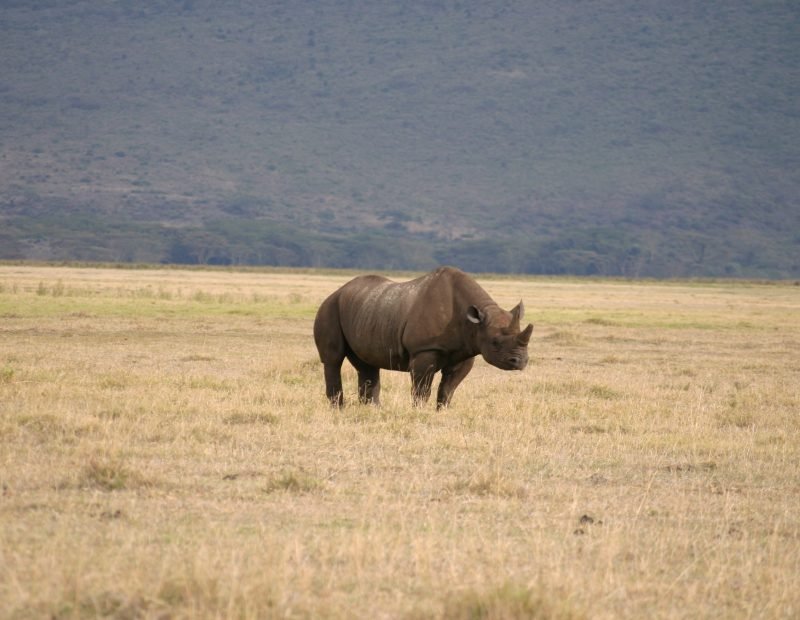
4 Day Tarangire, Ngorongoro And Lake Manyara Safari
Four days on Tanzania's northern circuit: elephant herds and baobabs in Tarangire, the Ngorongoro Crater floor, and Lake Manyara's groundwater forest and…
Tanzania · Tarangire National Park, Ngorongoro Crater & Lake Manyara National Park
View itinerary 4 Day Tarangire, Ngorongoro And Lake Manyara Safari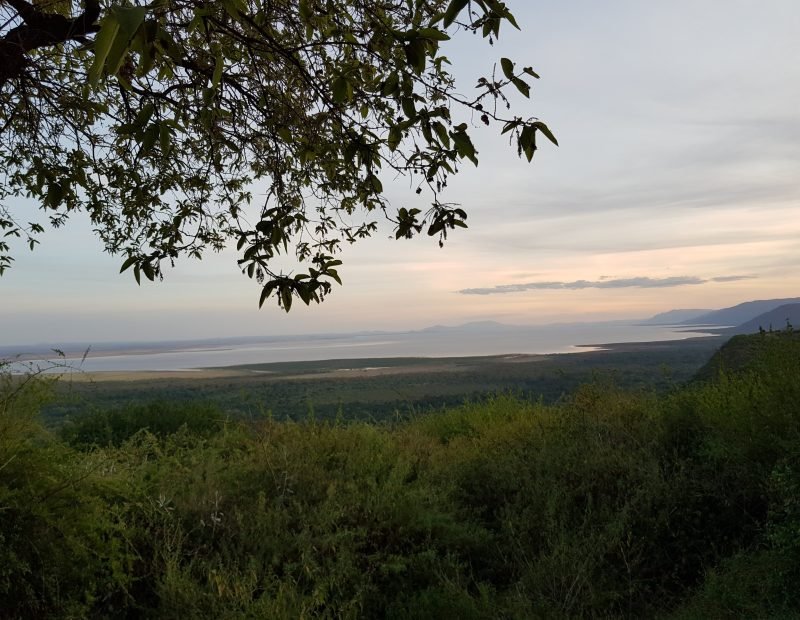
6 Day Tanzania Northern Circuit Safari
Six days across Tanzania's northern circuit: Tarangire elephants, Lake Manyara, two days in the Serengeti and the Ngorongoro Crater floor, with Olduvai…
Tanzania · Tarangire, Lake Manyara, Serengeti National Park & the Ngorongoro Crater
View itinerary 6 Day Tanzania Northern Circuit Safari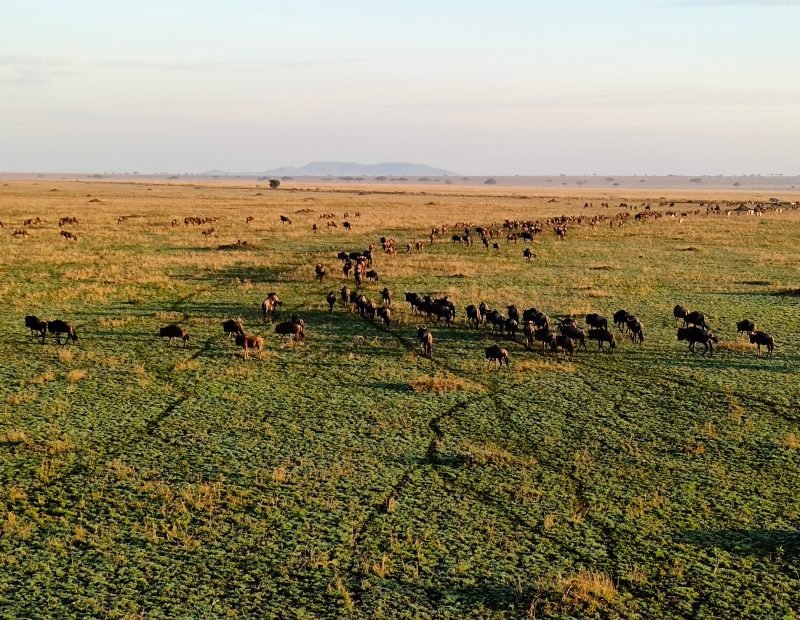
8 Day Serengeti Migration And Ngorongoro Safari
Eight days on Tanzania's northern circuit with three Serengeti nights positioned for the Great Migration, plus Tarangire, Lake Manyara and the Ngorongoro…
Tanzania · Tarangire, Lake Manyara, Serengeti National Park & the Ngorongoro Crater
View itinerary 8 Day Serengeti Migration And Ngorongoro SafariThe Baobabs of Tarangire
The other giants here are the baobabs, and they give the park an appearance nothing else on the circuit matches.
Adansonia digitata grows across the grassland in numbers, some of the trees estimated at over a thousand years old, with swollen trunks and bare branches that look like roots against the sky. Local tradition holds that the gods pulled them up and planted them upside down, which is as good an explanation as any once you have seen one.
They are ecological anchors as much as scenery. Baobabs store water in their trunks, which is why elephants strip and gouge them in the dry season, and their hollows provide nesting sites for birds and roosts for bats. Baboons shelter in them and raptors nest in the crowns.
One hollow specimen, known as the Poacher’s Hide, is large enough to walk inside, and guides will stop there.
Photographically the baobabs are the making of the park. Elephants beneath one in late afternoon light, or a single tree silhouetted at sunset, is the image Tarangire is known for.
Game Drive Safaris Along the Tarangire River
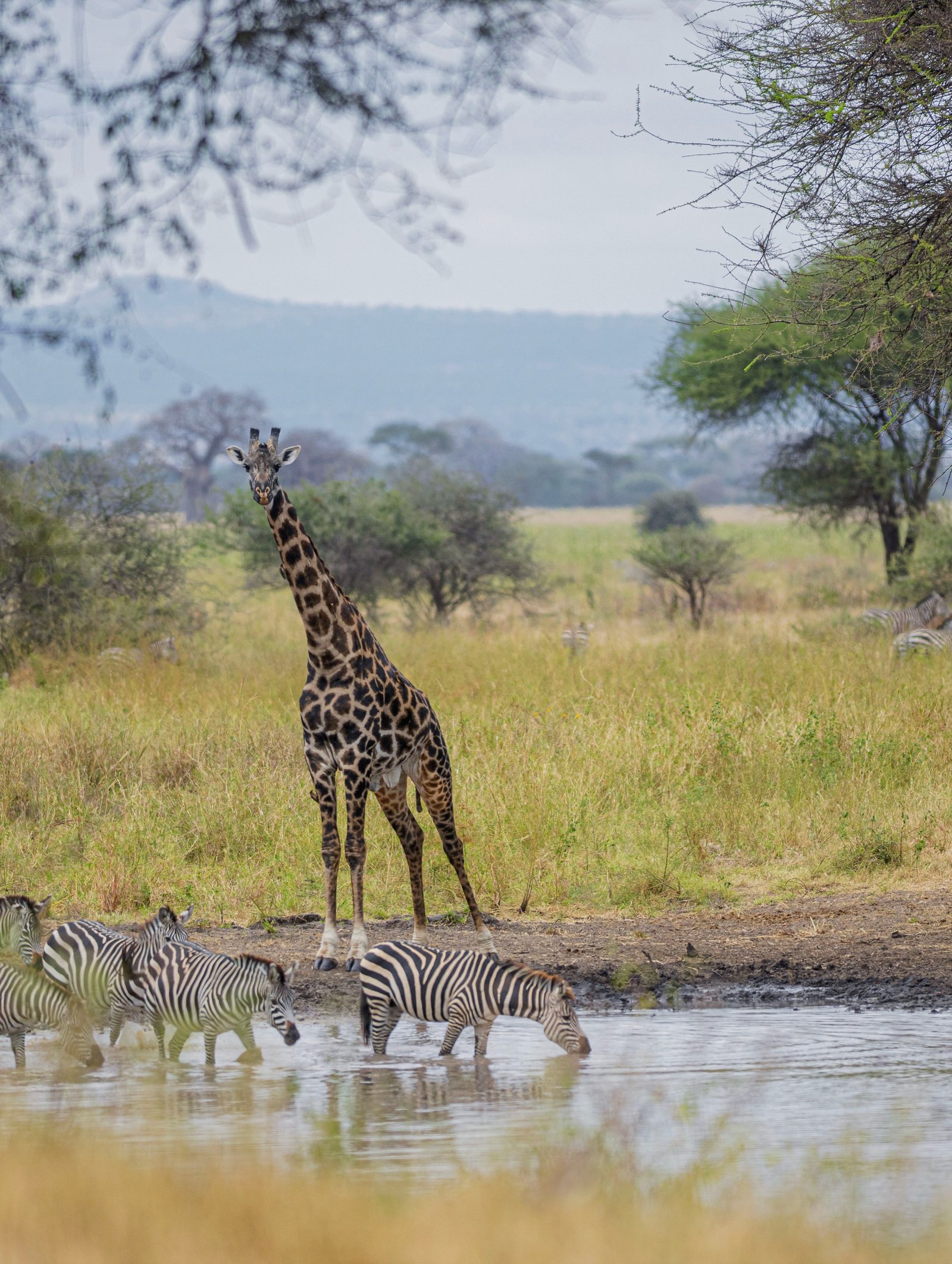
The Tarangire River runs north to south through the park and it is the reason everything else works. In the dry season it is the only permanent water for a very long way in any direction.
Game drives concentrate on the river corridor in the north, where the road follows the watercourse and animals come down to drink through the day. Zebra, wildebeest, buffalo, impala, giraffe, eland, hartebeest and warthog all use it, with elephant dominating.
The Matete woodland and Engelhard Bridge in the northwest give a different habitat again, tall elephant grass and acacia beneath baobabs. Sangaiwe Hill in the northwest and Boundary Hill on the eastern edge both give wide views over the park and out across the Maasai Steppe, and thermals along Boundary Hill draw eagles and vultures.
Dry country species that are scarce elsewhere on the northern circuit turn up here: fringe eared oryx, lesser kudu and gerenuk, all of them worth asking your guide to watch out for.
Silale Swamp and the Southern Sector
The Silale Swamp in the south is Tarangire’s second engine and the part most visitors never reach.
Through the wet season the swamp soaks up water like a sponge and then releases it slowly through the dry months, staying green long after the surrounding plains have burned off. Huge herds of buffalo and elephant use it, and the predators follow.
Lion are common around Silale, and September and October give the most dramatic predator viewing of the year as prey concentrates on the last water. Leopard work the riverine forest and wild dog are recorded here, which is rare on the northern circuit.
Reaching the swamp properly means a full day rather than a morning, and it takes you well away from the day trip traffic. Anyone with two nights in Tarangire should give one of them to the south.
Three hundred elephants along one stretch of river, under trees that were already old when the first Europeans reached this coast. Tarangire in September does not need any embellishment.
Tarangire’s Own Dry Season Migration
Tarangire has a migration of its own, and almost nobody talks about it because the Serengeti takes all the attention.
As water dries up across the wider Maasai Steppe from around June, thousands of animals move into the park towards the river and the swamps. Zebra and wildebeest arrive in numbers, along with buffalo, eland and various antelope, and they stay until the rains break.
The movement reverses from November, when the herds head back out onto the steppe to calve on fresh grazing, leaving the park comparatively empty through the green months.
This is why timing matters here more than in any other park on the circuit. In the Serengeti a wet season visit simply means being in a different region. In Tarangire it means the animals are outside the boundary altogether.
Tree Climbing Lions and Predators
Lions climb trees here, which surprises visitors who believe Lake Manyara has a monopoly on the behaviour. Tarangire’s lions rest in acacia and sausage trees through the heat of the day, and around Silale in particular the habit is regular.
The lion population is healthy and prides are seen with reasonable frequency, especially in the dry months when prey concentrates. Leopard live along the riverine forest and stay elusive, as they do everywhere. Cheetah use the more open southern country.
Spotted hyena are common and often seen at kills. African wild dog are present in low numbers, and a sighting is a genuine event given how few remain in East Africa.
The dry season concentration means predator activity peaks precisely when the herds arrive, which makes June to October the strongest window for anyone whose priority is cats rather than elephants.
Birding Safaris in Tarangire
With over 550 recorded species, Tarangire has the longest bird list of any national park in Tanzania and is a serious birding destination in its own right.
Dry country endemics. Yellow collared lovebird, ashy starling, rufous tailed weaver and northern pied babbler are all found in this part of Tanzania and almost nowhere else. Serious birders come for these alone.
Swamp and wetland species. Silale and the riverine areas hold storks, pelicans, herons, ibis, jacanas and kingfishers, with numbers rising considerably during the rains.
Raptors and large ground birds. Bateleur, martial eagle, tawny eagle, several vultures, plus kori bustard, ostrich and southern ground hornbill on the open ground. Boundary Hill is the pick for raptors on the thermals.
Timing. Migrants arrive from November and push the list past 550. The green season is weak for mammals and outstanding for birds, which is the reverse of everything else about this park.
Walking Safaris, Night Drives and Balloon Safaris
Tarangire offers more activity variety than most northern circuit parks, largely because of the community managed areas along its boundary.
Walking safaris run with armed rangers, working at the level of tracks, dung, plants and birds rather than large mammals. On the wildlife management areas bordering the park, including Randilen and the Manyara Ranch corridor, walking is standard and off road driving is permitted.
Night drives operate from camps on those bordering lands rather than inside the national park, and turn up genets, civets, bushbabies, porcupine, aardvark on a lucky night and hunting predators.
Balloon safaris launch before dawn over the baobab country and the river corridor, landing to a bush breakfast. Tarangire is one of only a handful of Tanzanian parks where ballooning operates, and the baobabs from the air are worth the early start.
Where to Stay at Tarangire
Accommodation splits between the park itself and the community managed lands along its boundary, and the two give different days.
Lodges and tented camps inside the park sit mostly along the river in the north, which puts you among the elephant herds at first light and lets you reach the swamp on a full day drive. This is the choice for anyone whose priority is the dry season concentration.
Camps on the bordering wildlife management areas, including Randilen and the Manyara Ranch corridor, trade that proximity for activities the national park does not permit, principally walking safaris, night drives and off road driving. For repeat safari travellers and photographers this is usually the better trade.
Budget camps and lodges cluster near the main gate and around Kigongoni, which suits travellers doing Tarangire as a single day on the way west.
Wherever you stay, book the dry season well ahead. The park has far fewer beds than the Serengeti and July through October fills early.
Best Time for a Tarangire Safari
No park on the northern circuit swings as hard between seasons as this one, so the timing advice here is more emphatic than usual.
June to October, dry season. The park at full strength. Elephant herds concentrate on the river, the migration arrives from the steppe, vegetation thins and predator viewing at Silale peaks in September and October. This is when to come.
November and December, short rains. Herds begin moving out to the steppe. Migrant birds arrive and the baobabs stand against green country, which photographs beautifully. Game viewing weakens but stays reasonable early in the period.
January and February. Warm and mostly dry, with calving on the steppe outside the park. Quieter and cheaper, with moderate game viewing and strong birding.
March to May, long rains. The weakest window for wildlife, with herds dispersed well beyond the boundary and thick vegetation. Excellent for birds, superb light, very few visitors and the lowest rates of the year.
Getting to Tarangire and How Long to Stay
Tarangire lies about 120 kilometres southwest of Arusha, roughly two hours by road on tarmac with a short final stretch to the main gate. Kuro airstrip inside the park takes light aircraft from Arusha for anyone flying in.
The park sits at the start of the northern circuit, before Lake Manyara, Ngorongoro and the Serengeti, which is why it usually gets the first day of an itinerary. Manyara is about an hour away and Ngorongoro two to three.
One full day covers the northern river corridor and the baobab woodland, which is what most itineraries allow. Two days lets you reach Silale Swamp properly rather than as a rushed afternoon, and it is the better allocation in the dry season for photographers and birders.
Accommodation runs from lodges and tented camps inside the park along the river, through properties on the escarpment and the community lands to budget camps near the gate. Staying inside or on the bordering conservancies buys you early starts and, on the community land, walking and night drives.
Tarangire is the park where the month you travel decides whether it belongs in your itinerary at all, and that is not something a brochure will tell you. Intare Safaris runs the northern Tanzanian circuit alongside its Rwandan base and will say plainly whether your dates justify one day here, two, or none.
Give Intare Safaris your travel window and they will tell you honestly whether Tarangire is the highlight of your Tanzanian leg or the stop to trade for an extra night elsewhere.