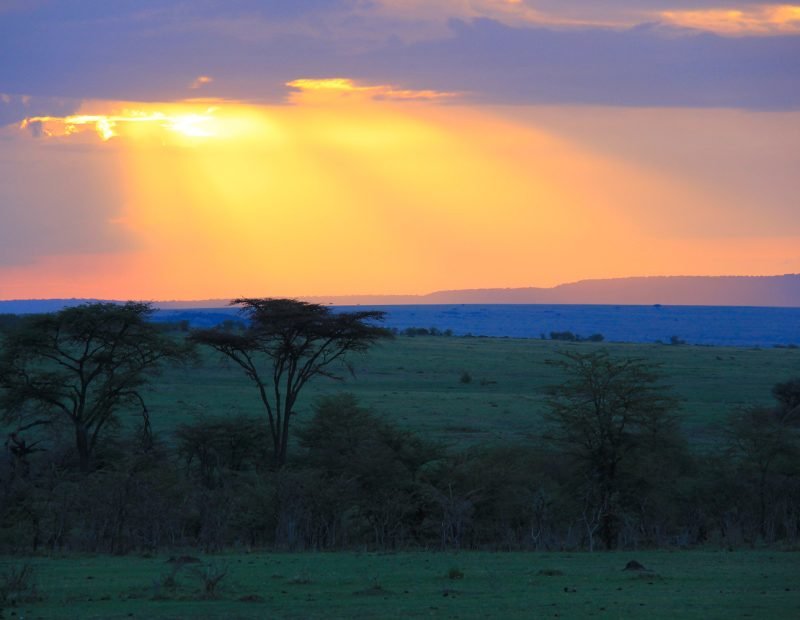
The Masai Mara is Kenya’s best known safari destination, covering roughly 1,510 square kilometres of rolling grassland in the southwest along the Tanzanian border. It is famous for the Great Wildebeest Migration, when around 1.5 million wildebeest cross north from the Serengeti between July and October, and for holding one of the highest densities of large predators anywhere in Africa. Strictly speaking it is a national reserve rather than a national park, managed by Narok County rather than by Kenya Wildlife Service.
That distinction matters more than it sounds, because it shapes what you can and cannot do here. It also explains the conservancies, which now surround the reserve and which have quietly become the better half of a Mara safari for a lot of travellers.
The Great Wildebeest Migration and Mara River Crossings
The Great Migration is a continuous annual circuit through the Serengeti and Mara ecosystem, driven by rainfall and grazing rather than by the calendar. The herds are always moving somewhere. What people mean by migration season in Kenya is the period when they are in the Mara.
Roughly 1.5 million wildebeest move north from the Serengeti along with several hundred thousand zebra and large numbers of Thomson’s gazelle, usually arriving from late July and staying through to October before turning south again. These figures come from aerial surveys and carry wide margins, and the timing shifts every year with the rains.
The river crossings are what everyone comes for. Herds pile up on the banks of the Mara River, hesitate, and then pour down the ledges into water holding a large crocodile population. It is chaotic, often distressing, and unlike anything else in wildlife viewing.
Two honest points. Nobody can predict a crossing. Herds gather at a bank for hours and then walk away, and guides can only position you and wait. And the main crossing points draw heavy vehicle traffic in season, sometimes dozens at once, which is not what the documentary footage suggests.
If witnessing a crossing is the point of your trip, give yourself four or five nights rather than two. A short stay in migration season is a lottery ticket. A longer one lets your guide follow the herds and wait properly.
Safari packages visiting Masai Mara National Reserve
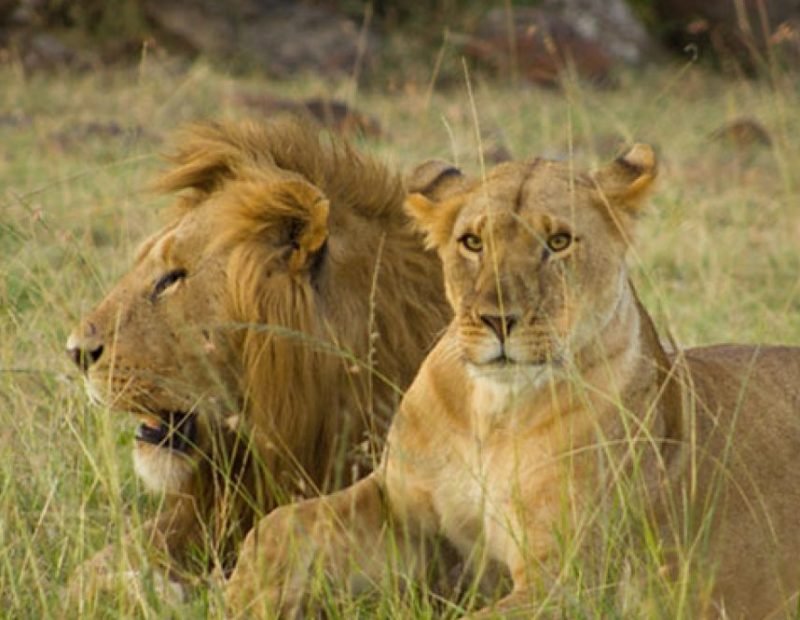
6 Day Masai Mara, Lake Nakuru And Amboseli Safari
Six days across Kenya: rhino at Lake Nakuru, big cats in the Masai Mara and elephants beneath Kilimanjaro in Amboseli, with a…
Kenya · Lake Nakuru, the Masai Mara & Amboseli National Park
View itinerary 6 Day Masai Mara, Lake Nakuru And Amboseli Safari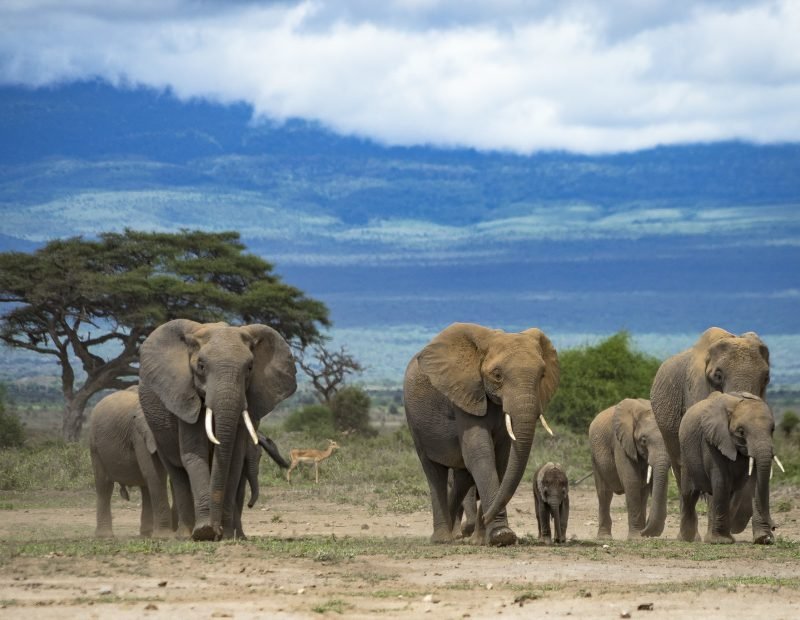
8 Day Kenya Classic Safari
Eight days across Kenya: Amboseli beneath Kilimanjaro, a walking safari on Crescent Island, cycling in Hell's Gate, rhino at Nakuru and three…
Kenya · Amboseli, Lake Naivasha, Hell's Gate, Lake Nakuru & the Masai Mara
View itinerary 8 Day Kenya Classic Safari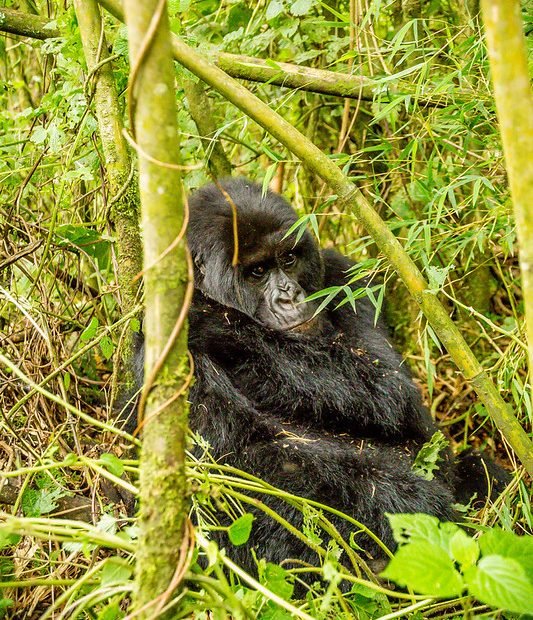
8 Day Masai Mara And Rwanda Gorillas Fly-In Safari
Eight days pairing three nights in the Masai Mara with mountain gorilla trekking in Rwanda's Volcanoes National Park, linked by flights rather…
Kenya & Rwanda · Masai Mara National Reserve, Kigali & Volcanoes National Park
View itinerary 8 Day Masai Mara And Rwanda Gorillas Fly-In Safari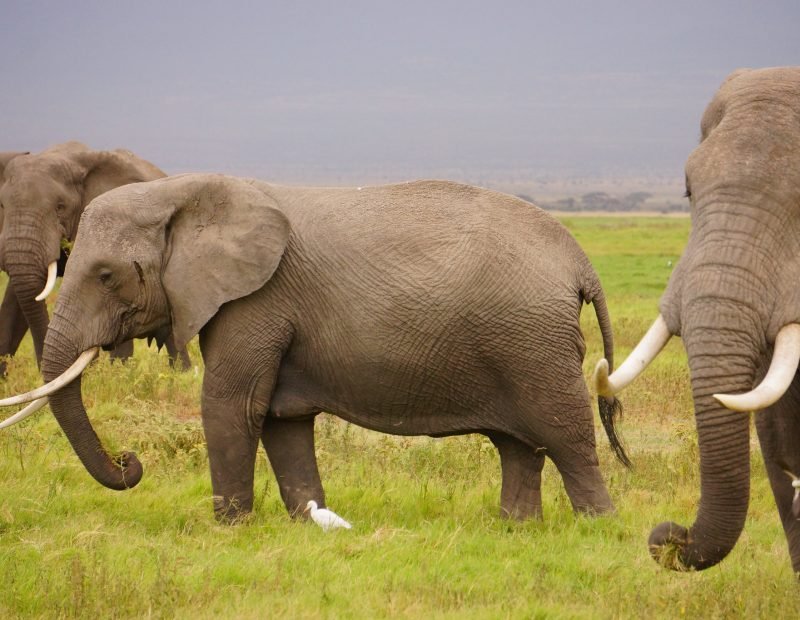
10 Day Kenya In Depth Safari
Ten days across Kenya including Samburu and its Special Five, the Rift Valley lakes, three nights in the Masai Mara and a…
Kenya · Samburu, Lake Nakuru, Lake Naivasha, the Masai Mara & Amboseli
View itinerary 10 Day Kenya In Depth Safari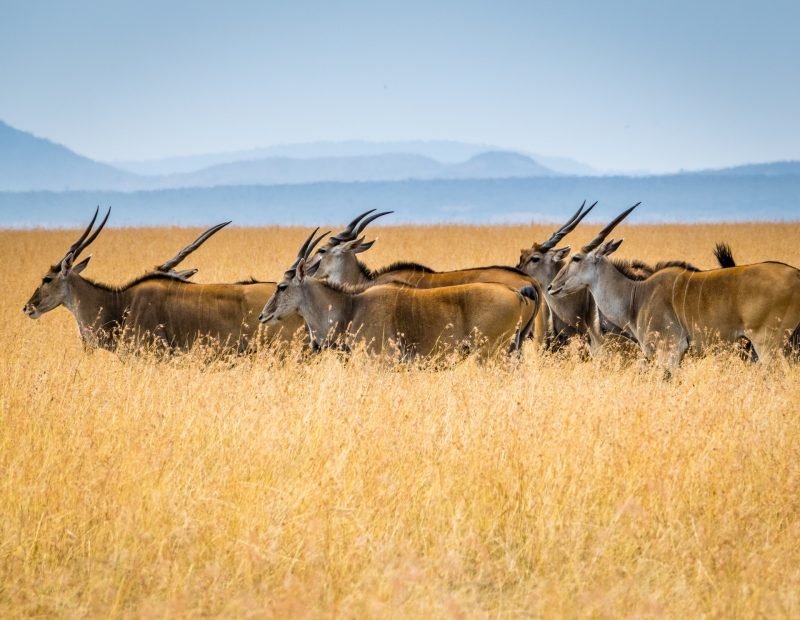
4 Day Masai Mara And Lake Nakuru Safari
Four days in Kenya: black and white rhino plus Rothschild's giraffe at Lake Nakuru, then two nights in the Masai Mara for…
Kenya · Lake Nakuru National Park & the Masai Mara
View itinerary 4 Day Masai Mara And Lake Nakuru SafariBig Cat Safaris in the Masai Mara
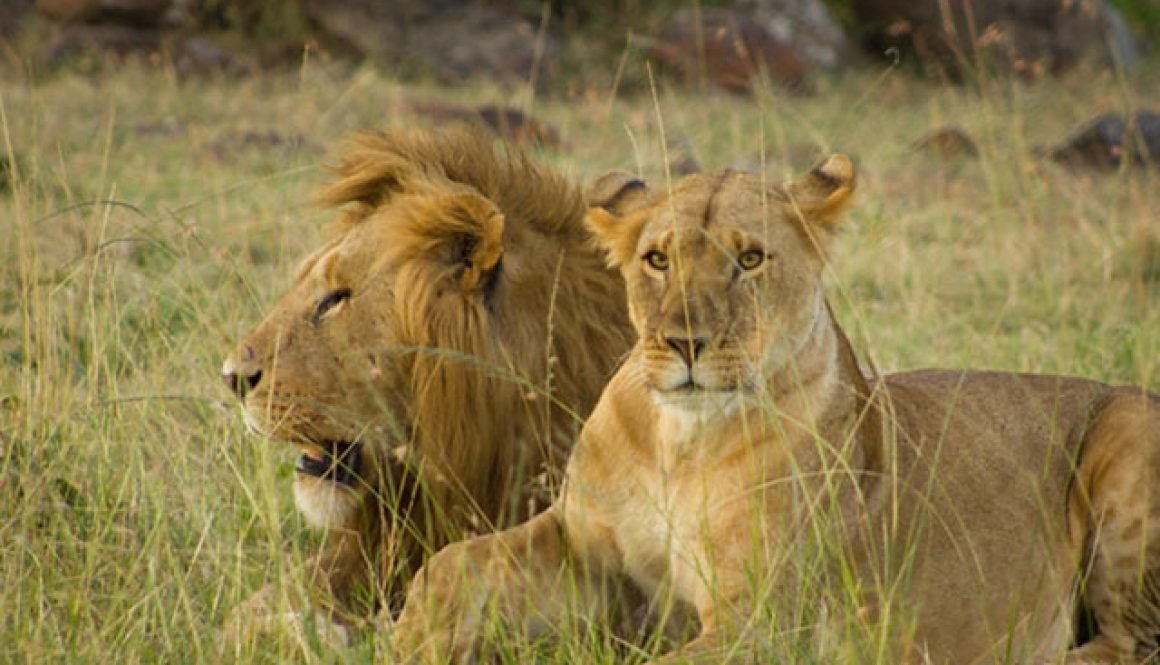
The Mara’s real strength is not the migration at all. It is the resident predator population, which is here every month of the year.
Something in the order of 850 lions live across the greater Mara ecosystem, and the open grassland makes them far easier to find than in wooded parks. Prides here are large and well known, several of them followed by researchers and by television crews for decades. Cheetah do well on the open plains and are seen more reliably here than almost anywhere in East Africa. Leopard are present in good numbers along the riverine forest and rocky outcrops, and while they stay elusive, the odds are better than in most parks.
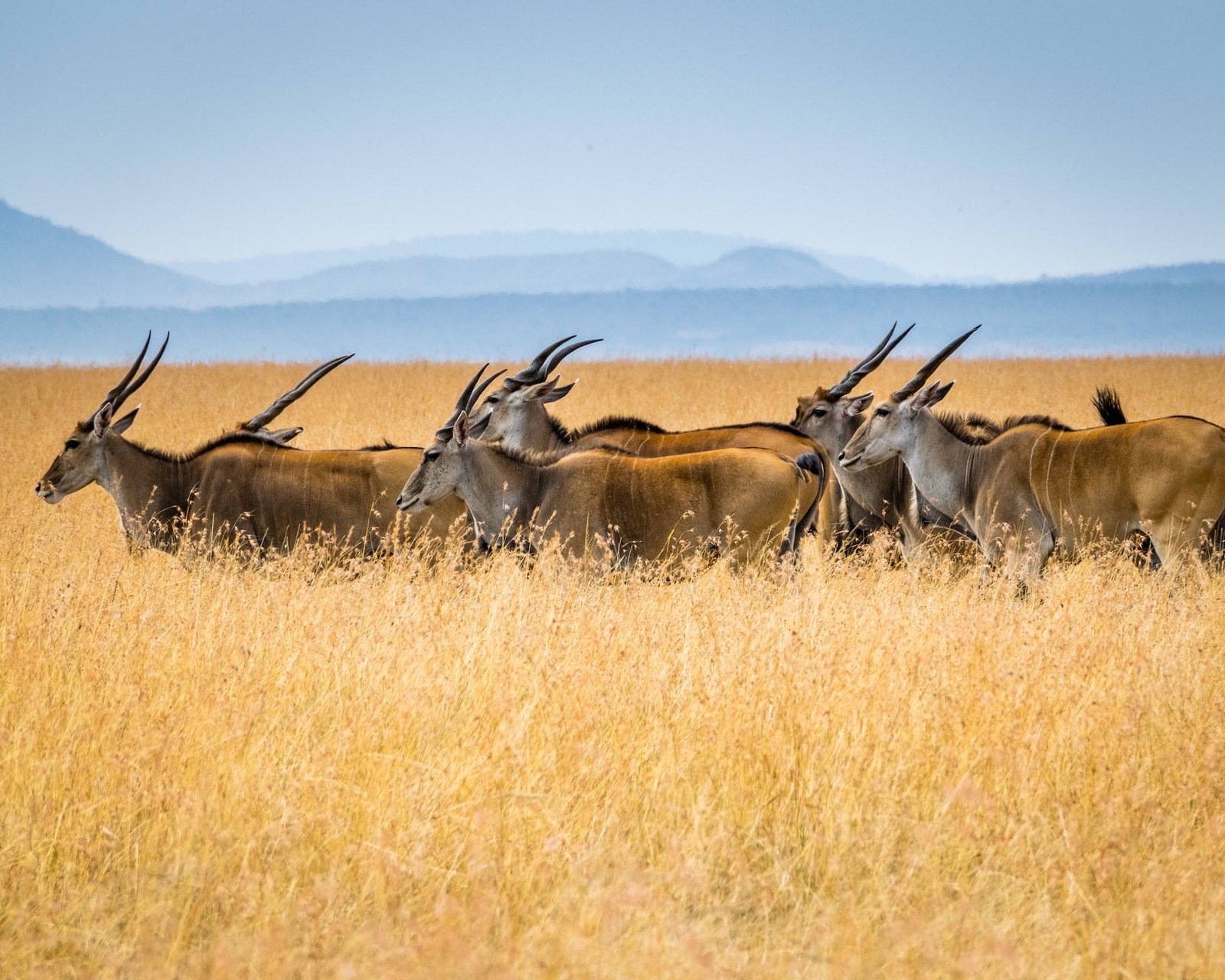
Elephant number over 2,400 in the ecosystem, and buffalo, giraffe, topi, eland, impala and hippo are all common. Black rhino exist but are scarce and heavily protected, so the Big Five is achievable rather than routine.
If you want cats, the low season months from January to March are quietly excellent, with fewer vehicles and prides that are easier to sit with.
Game Drive Safaris in the Reserve and the Mara Triangle
Game drives are the core activity and where you do them changes the experience considerably.
East of the Mara River, in the main body of the reserve, wildlife density is high and so is vehicle density. Big cat sightings regularly attract a crowd, and off road driving rules are not always well enforced there.
The Mara Triangle, a wedge of around 510 square kilometres in the west between the river and the Oloololo Escarpment, is managed separately by the Mara Conservancy. It is better run, quieter, and rules are enforced properly. Self drive is permitted here, which it is not in the conservancies, and the views from beneath the escarpment are the best in the reserve.
Drives run early morning and late afternoon, with full day drives and picnic lunches available. Guides use radios to share sightings, which helps and also explains how a crowd assembles quickly.
The word Mara means spotted in Maa, a reference to the scattered acacia, scrub and cloud shadow dotting the plains, and once you know that you cannot unsee it.
The Masai Mara Conservancies and Why They Matter
Surrounding the reserve is a ring of community conservancies leased from Maasai landowners, among them Mara North, Naboisho, Olare Motorogi, Ol Kinyei and Lemek. Knowing what they offer is the single most useful thing a first time Mara visitor can know.
Vehicle limits. Conservancies cap the number of camps and the number of vehicles allowed at a sighting, usually three or five. You will not join a queue of twenty vehicles at a leopard. This alone changes the quality of the day.
Activities the reserve forbids. Night game drives and walking safaris are not permitted inside the national reserve. Both are standard in the conservancies, and off road driving is normally allowed, which matters enormously for photography.
Where the money goes. Conservancy fees are paid as lease income directly to Maasai landowning families, which is what keeps the land open for wildlife rather than fenced and farmed. It is the most direct link between your booking and habitat protection in Kenya.
Wildlife moves freely between the conservancies and the reserve, so you are not trading animals for exclusivity. Most well built Mara itineraries now stay in a conservancy and take day trips into the reserve during migration season, which gives you both.
Hot Air Balloon Safaris Over the Mara
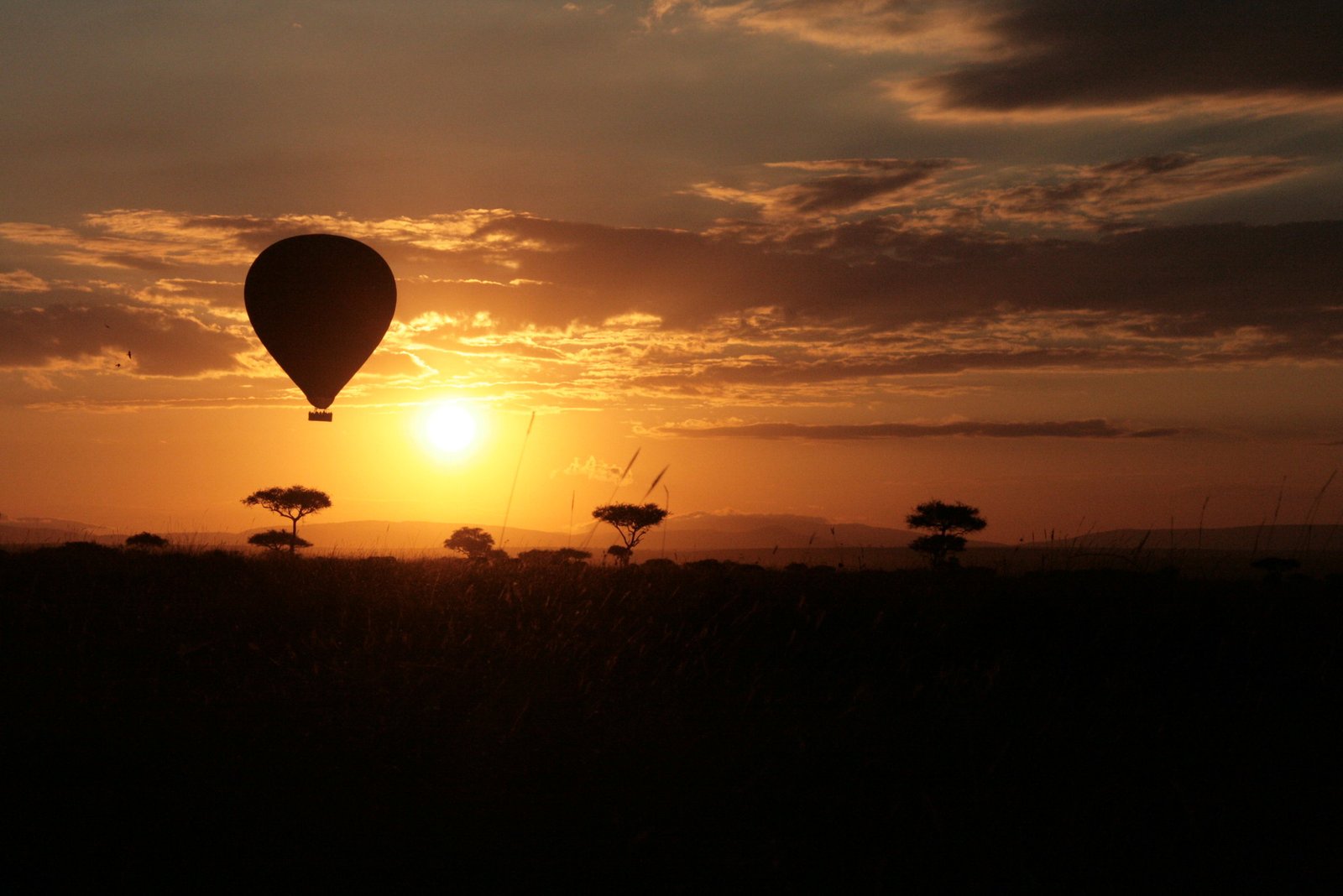
A balloon safari is the most popular add on in the Mara and one of the few places in Africa where ballooning is genuinely well established.
Flights launch before dawn, so you leave your camp in the dark. The burners fire, the envelope fills, and you lift off as the light comes up over the plains. An hour or so of drifting follows, low over the grass at times and several hundred metres up at others, depending on wind. Landing is followed by a champagne breakfast cooked in the bush.
What you get that a vehicle cannot give you is scale. The Mara from the air, particularly during migration when the herds spread across the plains in dark rivers, resolves into something you cannot read from ground level.
Book well ahead in high season, and accept that flights are weather dependent and occasionally cancelled. Balloons operate over the reserve and some conservancies.
The migration is the headline and the resident cats are the reason to come back. In January the herds are in Tanzania, the vehicles have gone, and the lions are still here.
Walking Safaris, Night Drives and Fly Camping
Because walking and night driving are prohibited inside the reserve, these activities are entirely a conservancy proposition, and they are the strongest argument for staying in one.
Walking safaris go out with an armed ranger and a Maasai guide, working at the pace of tracks, dung, birds and plants rather than large mammals. Big game is kept at a careful distance. Anyone who has done several vehicle safaris and started to find them repetitive should put a morning walk on the itinerary.
Night drives use filtered spotlights and turn up an entirely different cast: serval, civet, genet, white tailed mongoose, aardvark on a very good night, and the best chance the Mara offers of leopard on the move. Hyena become active and lion often hunt.
Some conservancy camps also run fly camping, a night out under canvas away from the main camp, and horseback safaris operate in a few areas for experienced riders.
Birding Safaris in the Masai Mara
Over 470 bird species have been recorded across the ecosystem, and the Mara is a strong birding destination that most visitors treat as background to the mammals.
Raptors are the headline. Martial eagle, bateleur, tawny eagle, long crested eagle and six vulture species work the plains, and vulture behaviour at a kill is worth watching properly rather than driving past. Secretary birds stalk the grass on foot. Grey crowned cranes, Kenya‘s most striking wetland bird, gather in the marshes.
The lilac breasted roller is everywhere and never stops being worth photographing. Ground hornbills, ostrich, kori bustard and a long list of larks, pipits and cisticolas fill out the plains list, while the riverine forest along the Mara and Talek rivers holds turacos, hornbills and barbets.
Migrants arrive from November through April, which coincides with the green low season and makes those months the strongest for a serious bird list.
Maasai Cultural Visits and Community Tourism
The Maasai have grazed this land for centuries and still do, and the relationship between the community and the wildlife economy is the reason the Mara ecosystem still exists at its current size.
Village visits are offered from most camps, covering the layout of a boma, cattle keeping, beadwork, traditional medicine and the jumping dance. Quality varies enormously. The visits arranged through conservancy camps, where the community holds the land lease, tend to be far more genuine than the roadside operations near the main gates.
Beyond village visits, some camps arrange time with Maasai guides talking about tracking, plant use and how livestock and predators are managed side by side. That conversation is more interesting than any performance.
Narok town, the largest Maasai town and the gateway to the reserve, has a small museum covering Maasai history and customs, and it makes a reasonable stop on the drive in.
Best Time for a Masai Mara Safari
The Mara delivers in every month, and the question is really what you are optimising for.
July to October. Migration season and the peak. River crossings, enormous herds and intense predator activity. Also the most crowded and most expensive period, with vehicles gathering at crossing points. Book far ahead.
January to March. The short dry season and the quiet secret of the Mara. Herds are in Tanzania, but the resident lions, cheetah and leopard are all here, vehicles are few and rates drop considerably. Excellent for big cat photography.
April and May. The long rains. Green, quiet and cheap, with newborn antelope everywhere and superb photography light. Some tracks become difficult and a few camps close.
November and December. Short rains, arriving migrant birds, and the herds moving back south. A good compromise window with reasonable game viewing and far fewer people than the peak.
Getting to the Masai Mara from Nairobi and Kigali
The Mara is around 270 kilometres from Nairobi, which takes six to seven hours by road through Narok. The route is tarmac most of the way with a rougher final stretch, and it is a long day.
Most visitors fly. Scheduled flights leave Nairobi’s Wilson Airport several times daily to airstrips including Ol Kiombo, Musiara, Keekorok and Mara Serena, taking around forty five minutes. Camps meet the plane, and the flight itself gives a good look at the Rift Valley on the way.
From Rwanda, the routing is Kigali to Nairobi by scheduled flight, then Wilson to the Mara. The East Africa Tourist Visa covers Rwanda, Kenya and Uganda on one document, which makes combining them straightforward on a single application.
That combination is worth considering seriously. Gorillas in Rwanda and the migration in Kenya are the two headline wildlife experiences in East Africa and they sit within a short flight of each other, yet very few itineraries put them together.
The Mara is a park where the decision that matters most is where you sleep, since the reserve and the conservancies deliver quite different days. Intare Safaris operates across Rwanda, Uganda, Kenya and Tanzania, which means they can pair Mara nights with gorilla trekking or with the Serengeti side of the same migration without you booking two separate trips.
Tell Intare Safaris your dates and whether crossings, cats or quiet matters most, and they will put you in the right sector rather than simply the best known one.