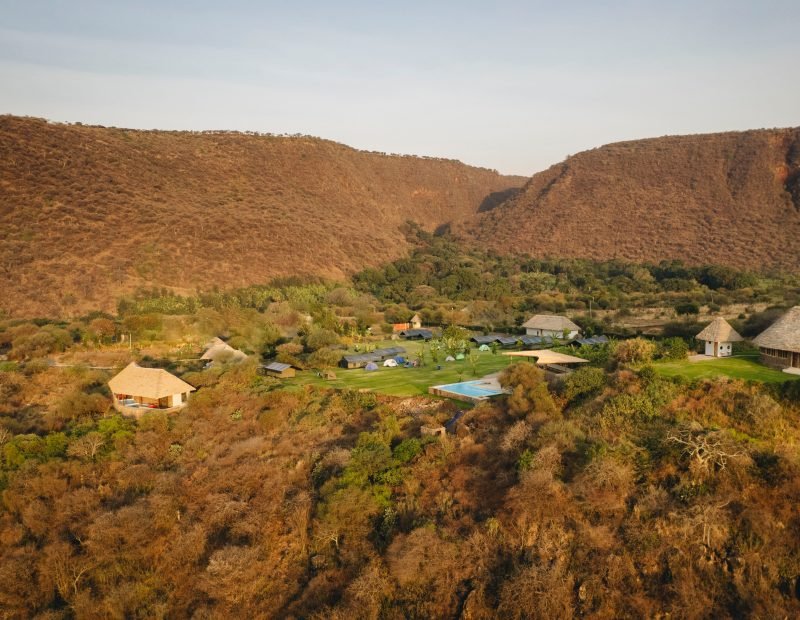
Lake Manyara National Park covers around 330 square kilometres in northern Tanzania at the foot of the Great Rift Valley escarpment, roughly two hours from Arusha. Two thirds of it is the shallow alkaline lake itself. The park is known for tree climbing lions, large elephant herds in the groundwater forest, the Maji Moto hot springs, seasonal flamingos and a treetop canopy walkway that is the longest in Africa.
Manyara is the first stop on Tanzania’s northern circuit and the one most itineraries treat as a warm up before Ngorongoro and the Serengeti. That undersells it. In a single morning you drive through dense forest, open floodplain, acacia woodland and lakeshore beneath a six hundred metre rift wall, which is a wider range of country than either of the parks that follow it.
Tree Climbing Lions of Lake Manyara
The tree climbing lions are what Manyara is famous for, and it is worth being precise about what that means.
Lions everywhere can climb. What makes Manyara unusual is that the lions here do it habitually, draping themselves along the branches of acacia and sausage trees through the heat of the day, sometimes several animals in one tree. This behaviour is regular in only a handful of populations worldwide, principally here, in Tarangire and in Uganda’s Ishasha sector.
Nobody knows for certain why they do it. The usual explanations are escaping biting flies from the swampy ground, catching a breeze, and gaining a vantage point over the floodplain. Guides here will offer all three and admit that none is proven.
Sightings are not guaranteed. Manyara’s lion population is small and the park is thickly wooded in places, so this is a genuine possibility rather than a certainty. Guides who work the park daily know which trees and which stretches of the acacia belt have been producing, which is worth more than any general advice.
Manyara is a four of the Big Five park, with no rhino. It also has a small lion population and elusive leopard. Book it for the forest, the elephants, the birds and the sheer variety in a compact area, and treat a lion in a tree as the bonus it is.
Safari packages visiting Lake Manyara National Park
10 Day Tanzania Northern Circuit Fly-In Safari
Ten days across Tanzania with four Serengeti nights reached by light aircraft, plus Tarangire, Lake Manyara and a full day on the…
Tanzania · Arusha, Tarangire, Lake Manyara, Ngorongoro Crater & the Serengeti
View itinerary 10 Day Tanzania Northern Circuit Fly-In Safari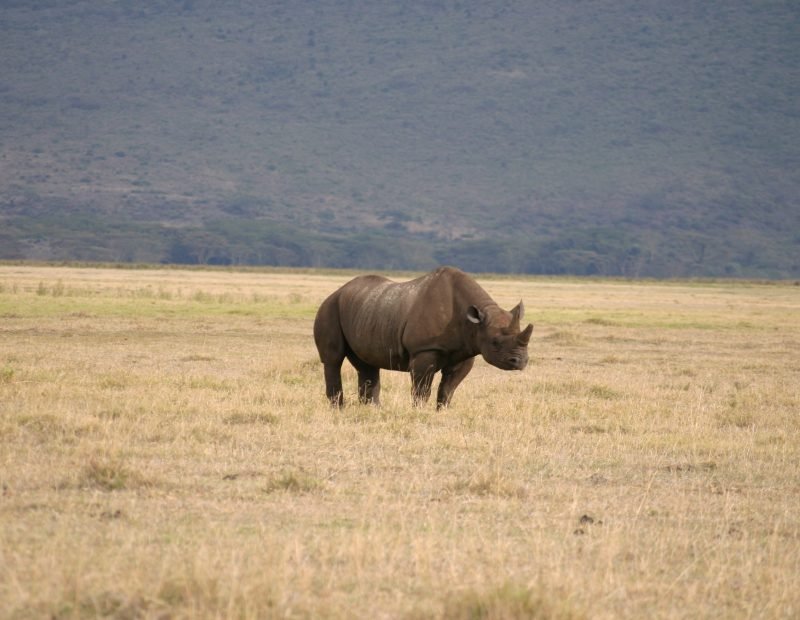
4 Day Tarangire, Ngorongoro And Lake Manyara Safari
Four days on Tanzania's northern circuit: elephant herds and baobabs in Tarangire, the Ngorongoro Crater floor, and Lake Manyara's groundwater forest and…
Tanzania · Tarangire National Park, Ngorongoro Crater & Lake Manyara National Park
View itinerary 4 Day Tarangire, Ngorongoro And Lake Manyara Safari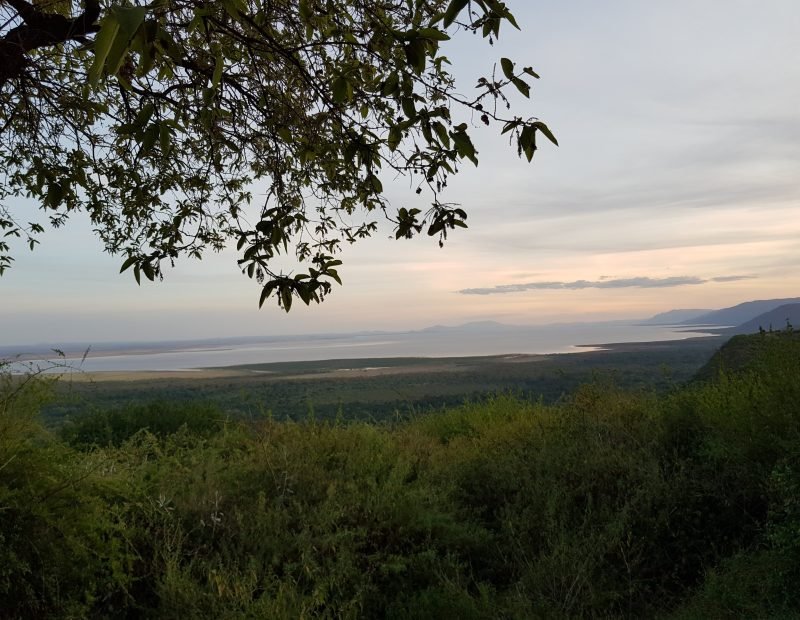
6 Day Tanzania Northern Circuit Safari
Six days across Tanzania's northern circuit: Tarangire elephants, Lake Manyara, two days in the Serengeti and the Ngorongoro Crater floor, with Olduvai…
Tanzania · Tarangire, Lake Manyara, Serengeti National Park & the Ngorongoro Crater
View itinerary 6 Day Tanzania Northern Circuit Safari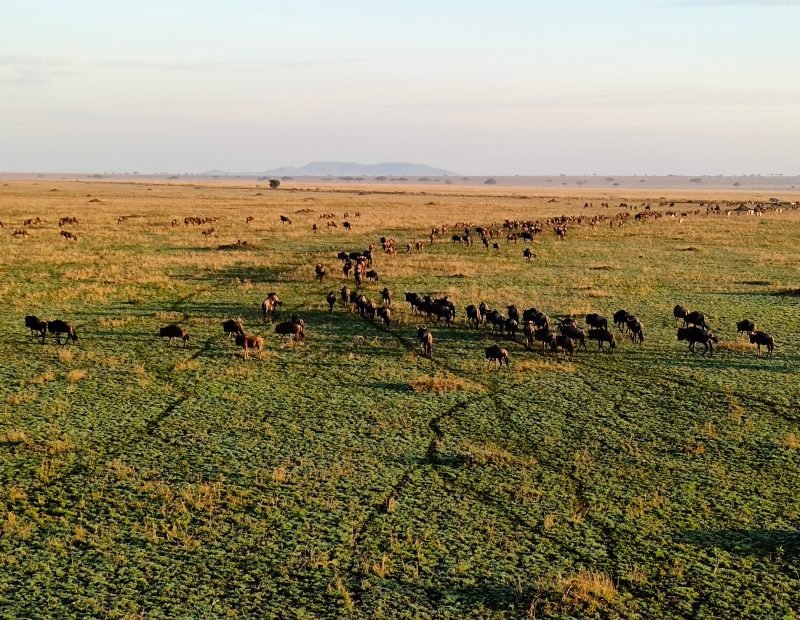
8 Day Serengeti Migration And Ngorongoro Safari
Eight days on Tanzania's northern circuit with three Serengeti nights positioned for the Great Migration, plus Tarangire, Lake Manyara and the Ngorongoro…
Tanzania · Tarangire, Lake Manyara, Serengeti National Park & the Ngorongoro Crater
View itinerary 8 Day Serengeti Migration And Ngorongoro SafariGame Drive Safaris Through the Groundwater Forest
The park entrance drops you straight into something unexpected: a dense groundwater forest of mahogany, fig and tamarind, fed not by rainfall but by springs emerging at the base of the escarpment.
This is not what visitors expect from a Tanzanian game drive. The canopy closes overhead, the light goes green, and the first animals you meet are troops of olive baboon, sometimes over a hundred strong and among the largest concentrations in Africa, along with blue monkeys and vervets in the branches.
Beyond the forest the country opens into floodplain and acacia woodland, where the larger game sits. Elephant, buffalo, giraffe, zebra, impala, waterbuck and bushbuck are all common, and the open ground makes them easy to see.
The park takes its name from emanyara, the local word for the euphorbia used to fence homesteads, which grows along the escarpment. Baobabs stand on the slopes above.
Because Manyara is long and narrow, running about fifty kilometres along the lakeshore with a single main track, drives follow a linear route rather than a circuit. One full day covers the park properly.
Elephants, the Hippo Pool and Silale Swamp
Manyara’s elephants are the park’s real strength and were among the first in Africa to be studied in depth, in research that ran here for decades and changed how elephant societies are now understood.
They move between the forest and the floodplain in family groups, and the combination of permanent groundwater and dense vegetation supports them in numbers that a park this size would not otherwise carry. Bulls mud bathe at Silale Swamp in the south, which is one of the better places to sit and watch rather than drive on.
The Hippo Pool in the north, where the Simba River enters the lake, holds a resident population packed into a lagoon, along with pelicans, storks and waders working the shallows around them. Visitors can leave the vehicle at the designated viewpoint here, which is rare in Tanzanian parks.
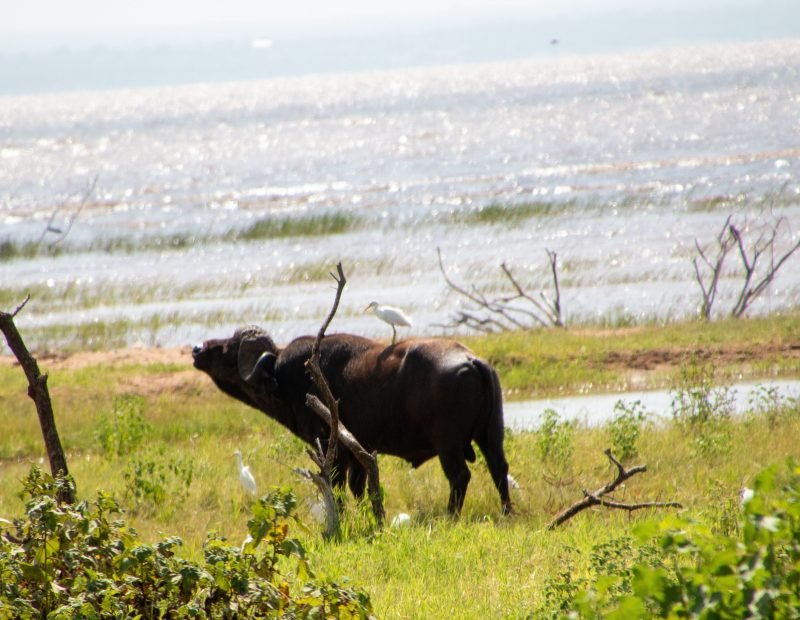
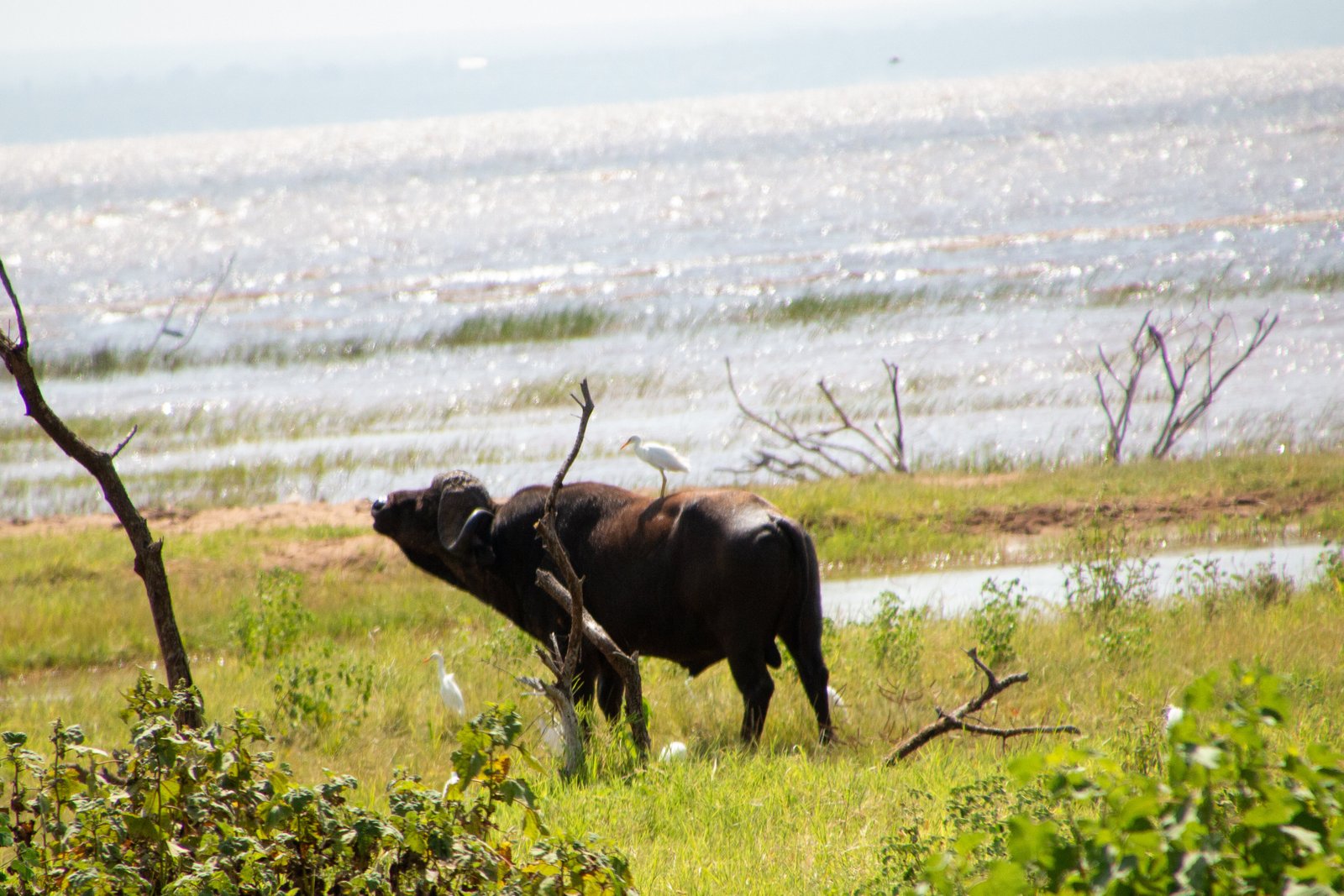
Buffalo herds use the floodplain in numbers, and the open grass between the forest and the lake is where most general game viewing happens.
The Manyara Treetop Canopy Walkway
The canopy walkway is the newest reason to visit and the first structure of its kind in Tanzania. A series of suspended bridges runs through the groundwater forest at heights that climb steadily to the treetops, covering several hundred metres in total.
Guided walks take around an hour and a half including the walk in, and they put you level with blue monkeys, hornbills, turacos and the epiphytes growing on the mahogany trunks. Hearing the forest from inside the canopy rather than beneath it is the point.
It is family friendly, requires no particular fitness, and is charged separately from park entry. Anyone with a real fear of heights should know the bridges move underfoot as you cross.
It works well as an arrival activity before a game drive or as a way to fill an afternoon when the light is too harsh for wildlife photography.
A six hundred metre rift wall on one side, an alkaline lake on the other, and a strip of country between them holding forest, floodplain, hot springs and woodland. Manyara does more in three hundred square kilometres than most parks manage in three thousand.
Night Game Drives in Lake Manyara
Manyara was the first Tanzanian national park to run scheduled night game drives, and it remains one of the few where they are available inside the park boundary rather than only on private land.
Drives leave after dark with a ranger and a filtered spotlight, working the forest edge and the floodplain. What comes out is a completely different cast: civet, genet, white tailed mongoose, porcupine, bushbaby, springhare and nightjars sitting on the track. Leopard hunt at night and this is the best chance the park offers of one.
Elephants moving through forest after dark, picked out at close range by a spotlight, is a strange and memorable thing.
Drives run around two hours and need booking in advance rather than on the day. Take a fleece, since the forest cools quickly once the sun drops.
Birding Safaris and the Flamingos of Lake Manyara
Birding may well be the strongest thing Manyara does, with something in the region of 400 recorded species across a park you can drive in a day.
The lake itself draws the water birds. Greater and lesser flamingo gather on the shallows in numbers that vary considerably with water level, alongside great white pelican, yellow billed stork, African spoonbill, sacred ibis, egrets, herons and a long wader list. When conditions suit, the shoreline turns pink in a way that photographs well from the escarpment viewpoints.
The forest holds a different list entirely: silvery cheeked hornbill, crowned hornbill, Narina trogon, crested guineafowl, grey olive greenbul and turacos. The acacia belt adds Fischer’s lovebird, bee-eaters, rollers and shrikes, while the escarpment cliffs give raptors including augur buzzard and Verreaux’s eagle.
December through April is the strongest window, when migrants arrive and residents are in breeding plumage. Flamingo numbers depend on water level and salinity rather than season, so ask what the lake is doing before building a trip around them.
Maji Moto Hot Springs and the Rift Valley Escarpment
At the southern end of the park, the Maji Moto hot springs bubble out of the ground at temperatures reaching around sixty degrees, hot enough that the water cannot be touched comfortably.
They are a reminder that this is active geology. The Gregory Rift wall forming the park’s western boundary rises roughly six hundred metres in a near vertical face, and the same tectonic forces that dropped this valley floor are what heat the water.
The springs sit among vegetation with the lake beyond, and the drive south to reach them takes you through the quieter part of the park where fewer vehicles go.
Viewpoints on the escarpment rim above the park, reached from the road towards Ngorongoro, give the widest view in northern Tanzania: the whole lake, the forest canopy and the Maasai Steppe running east. It is worth stopping for even if you are only passing through.
Mto wa Mbu Cultural Tours and Canoeing
The village of Mto wa Mbu sits at the park’s northern gate and runs one of the best established community tourism programmes in Tanzania.
The name means river of mosquitoes, and the settlement is unusual in that people from over a hundred Tanzanian ethnic groups live here, including Maasai, Iraqw, Chagga and Datoga. Guided walks cover banana plantations and the local banana beer, rice paddies, craft workshops, a Maasai boma and the market, with cooking classes and homestays available. A large share of the proceeds goes to local families.
Canoe safaris operate on the lake itself when water levels are high enough, paddling among hippo at a distance and getting close to the flamingos and pelicans on the shallows. In low water years the activity does not run, so confirm before counting on it.
Mountain biking and walking safaris with rangers are also offered along the escarpment and the park margins.
Lake Manyara Compared With Tarangire
Manyara and Tarangire sit within an hour of each other and travellers with limited days frequently have to choose between them. They are less similar than the map suggests.
Tarangire is far larger, drier and built around the river that gives it its name, with baobabs across open country and elephant numbers among the highest in Tanzania during the dry season. It is a classic savannah park and it rewards a full day or two.
Manyara is compact, green and layered, with groundwater forest, floodplain, lakeshore and escarpment stacked into a narrow strip. It carries fewer animals overall but far more variety of habitat, plus the canopy walkway, night drives and the best birding of the two.
If your trip already includes the Serengeti and Ngorongoro, you will get plenty of open savannah and plenty of elephant, which argues for Manyara as the contrast rather than Tarangire as more of the same. If the Serengeti is not on your route, Tarangire is the stronger general game park.
Where days allow, doing both works well, since they sit on the same road out of Arusha and neither needs more than a day.
Best Time for a Lake Manyara Safari
Manyara sits low and warm below the escarpment and works in every month, with season affecting the birds and the water more than the game.
June to October, dry season. The strongest general game viewing. Vegetation thins, animals concentrate near permanent water, and tracks are firm throughout. Lake levels drop, which can improve flamingo prospects.
December to March. The best birding of the year, with migrants present and residents breeding. Warm and green, with good elephant viewing in the forest.
April and May, long rains. Wettest months, with some tracks difficult and heavier vegetation. Quiet, cheap and green, with the waterfalls on the escarpment running and canoeing most likely to operate.
November, short rains. Afternoon showers, arriving migrants and few visitors. A reasonable compromise, particularly if Manyara is a stop on the way to the Serengeti.
Getting to Lake Manyara and How Long to Stay
Manyara lies about 120 kilometres west of Arusha, which is roughly one and a half to two hours on tarmac. Lake Manyara airstrip takes light aircraft from Arusha for anyone flying, though most visitors arrive by road since the park sits directly on the northern circuit route.
From the gate at Mto wa Mbu it is a short climb to Karatu and the Ngorongoro Conservation Area, which is why Manyara and Ngorongoro are almost always paired. Tarangire lies about an hour southeast, and the Serengeti beyond Ngorongoro.
One full day covers Manyara properly, and most itineraries give it a morning or a single day rather than an overnight. Staying a night, either in the park or at one of the lodges on the escarpment rim, buys you a night drive and an early start, both of which are worth having.
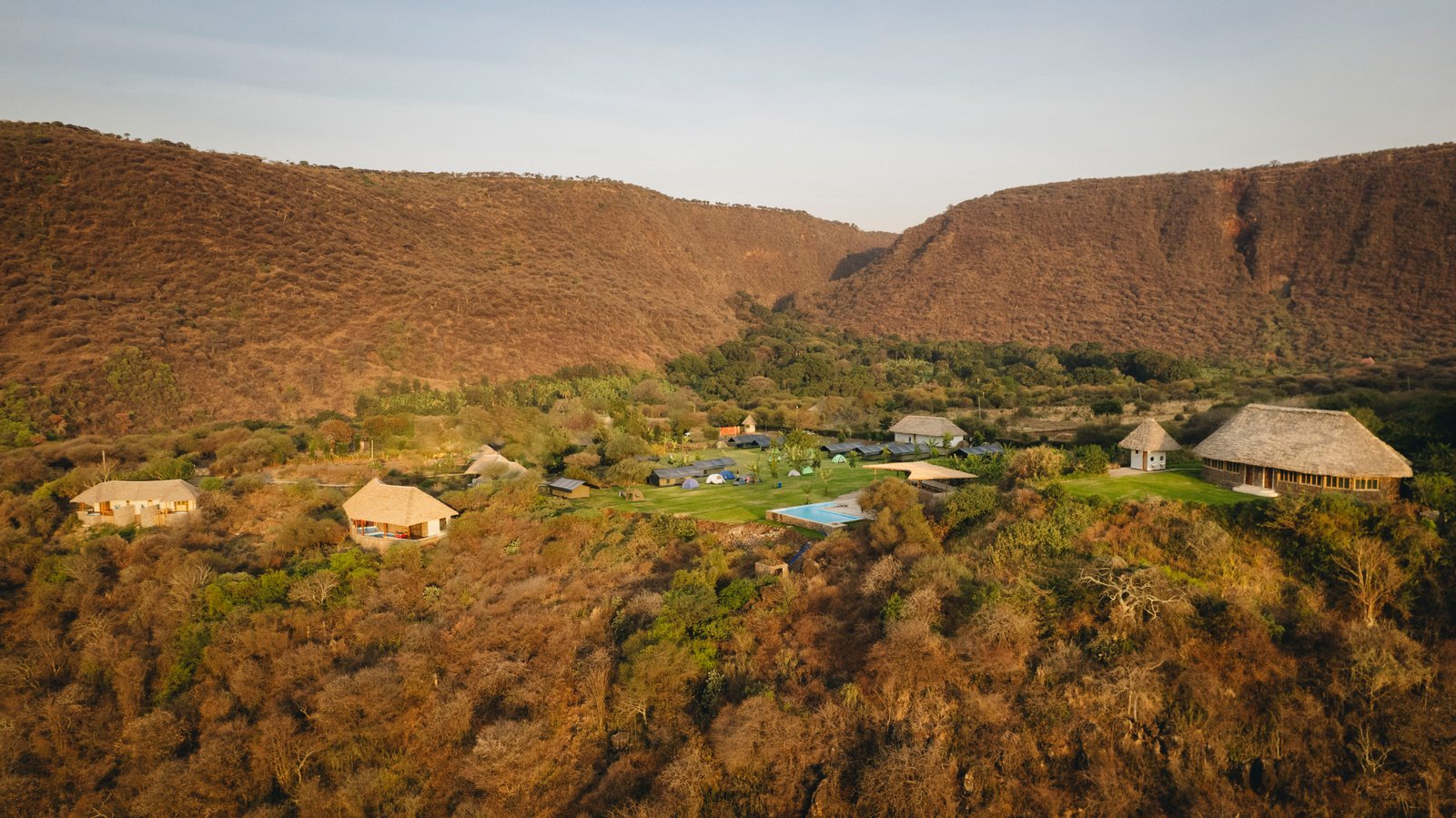
Accommodation runs from the well known lodge built on stilts inside the park through escarpment lodges with long views down over the lake to guesthouses and camps around Mto wa Mbu.
Manyara rewards travellers who give it a proper day rather than a rushed transit stop, and who know in advance that the lions are a possibility rather than a promise. Intare Safaris runs the northern Tanzanian circuit alongside its Rwandan operations and can place Manyara so it earns its slot rather than filling one.
Ask Intare Safaris whether a night at Manyara or an extra day at Ngorongoro suits your trip better, and you will get a straight answer based on your dates rather than a standard package.