The core Rwanda safari packing list is waterproof hiking boots already broken in, long trousers and long sleeved shirts in neutral colours, a proper rain jacket, a fleece for cold mornings at altitude, gaiters, thick gardening gloves for gorilla trekking, and a dry bag for camera gear. Rwanda sits high and wet, with trekking parks between 2,400 and 4,500 metres, so layers do more work here than on a conventional savannah safari.
Two things catch people out more than anything else. Boots that were bought new for the trip, and the assumption that dry season means dry. Neither survives contact with the Virungas.
What to Pack for Gorilla Trekking in Rwanda
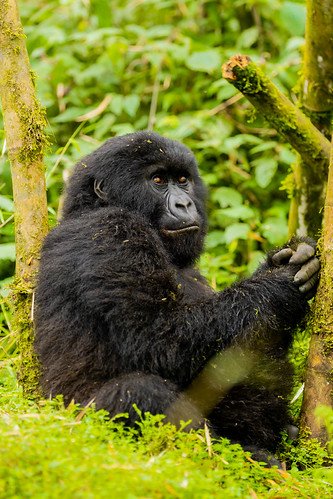
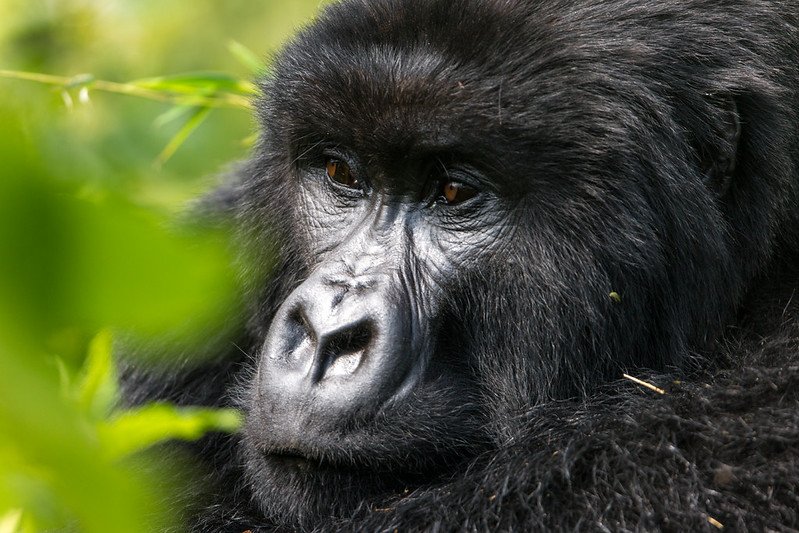
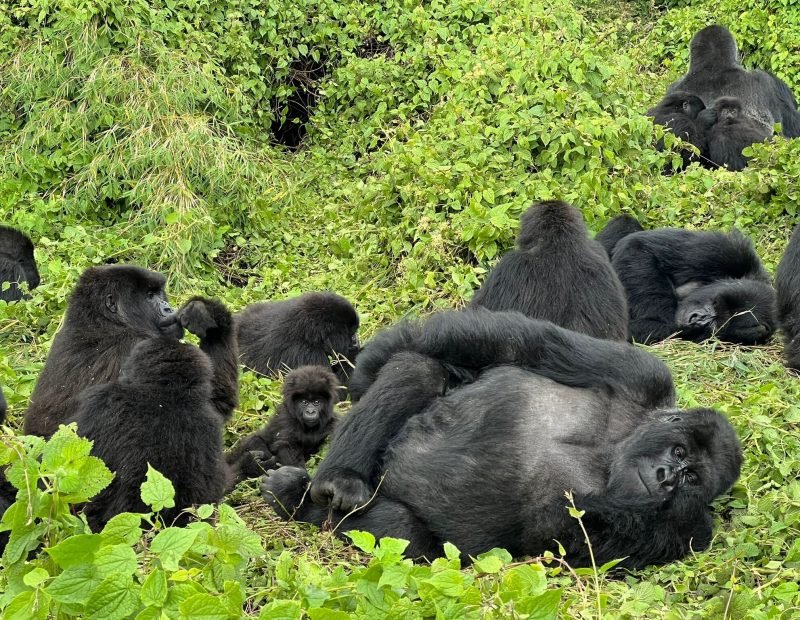
Gorilla trekking sets the packing list for the whole trip, because nothing else you do in Rwanda is as demanding on kit.
Boots. Waterproof, ankle supporting, with aggressive tread, and worn in over several weeks beforehand. Volcanic soil holds water for days and turns greasy on a gradient. New boots produce blisters on a four hour climb and there is no way to stop midway.
Gaiters. Worth more than almost anything else on this list. They keep mud out of your boots and, better still, keep safari ants from getting inside your trousers, which is a genuinely miserable experience.
Gardening gloves. Thick ones. This sounds absurd until you grab a stinging nettle stem for balance on a wet slope. Every experienced trekker carries them and every first timer wishes they had.
Long trousers and sleeves. Tucked into socks. Nettles here grow taller than you are and rangers cut through them with machetes. Avoid jeans, which soak through and stay heavy for the rest of the day.
Rain jacket. A proper breathable waterproof, not a poncho, which snags on vegetation. Rain is possible in every month including August.
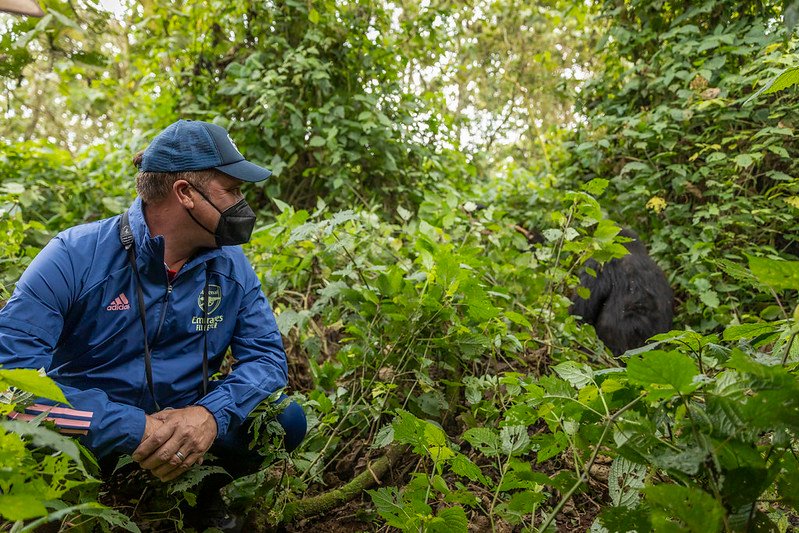
Surgical masks. Carried and worn during your hour with the family, under the gorilla friendly guidance Rwanda endorses. They cost nothing and they protect an endangered population from human respiratory illness.
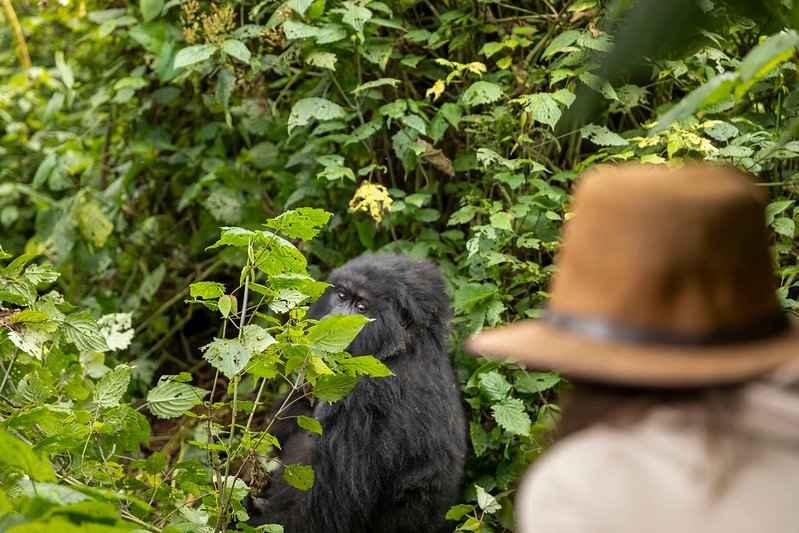
Hire a porter at the trailhead. They carry your daypack, steady you on descents and pull your boot out of the mud, and the work is paid employment for people living on the park boundary.
Clothing and Layers for Rwanda
The temperature swing across a single day is larger than the swing between seasons, which is the opposite of what most travellers expect.
At six in the morning at Kinigi it is genuinely cold, often around ten degrees. By mid morning, climbing through bamboo, you will be stripping layers. Back at the lodge in the evening it is cold again. Kigali and Akagera at lower altitude stay warm throughout.
Pack three or four quick drying long sleeved shirts, two pairs of walking trousers, a fleece or light down layer, and enough socks that you always have a dry pair. Merino base layers are worth the money if you have them.
Neutral colours are the convention in the parks, meaning khaki, olive, brown and grey. Avoid bright colours and white, which shows every mark. Blue and black attract tsetse flies in Akagera.
One firm rule that is not merely advice: do not pack camouflage clothing of any kind. It is restricted to military use across much of the region and can be confiscated, or worse.
For evenings, lodges are relaxed and no formal wear is needed anywhere. Modest dress is appropriate at memorials and in villages.
What to Pack for Chimpanzee Trekking in Nyungwe
Nyungwe is wetter than the Virungas and steeper underfoot, so the same list applies with a few emphases.
Boots matter even more here, because the terrain is deep valleys and sharp ridges rather than a single sustained climb, and the descents are where people slip. Trekking poles help considerably and are worth carrying for this park in particular.
Treks start before dawn, often with a briefing at five in the morning, so you leave in the dark and in the cold. A head torch is genuinely useful, as is a packed breakfast if your lodge cannot serve one that early.
The forest takes around 2,000 millimetres of rain a year, so waterproofing your daypack contents matters. Dry bags or heavy duty liners inside the pack are better than a rain cover alone.
Long sleeves protect against blister bush and nettles, and insect repellent is more useful here than in the Virungas.
What to Pack for Akagera Game Drives
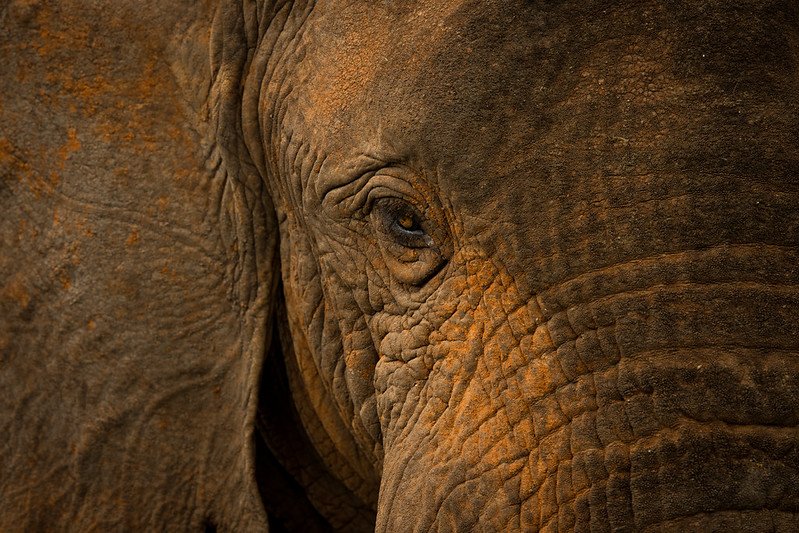
Akagera is the one part of Rwanda that behaves like a conventional safari, and the kit changes accordingly.
It is warm and low lying, so lighter clothing works by day, though early morning drives in an open vehicle are cool enough to want a fleece. Dust is a factor in the dry months, so a buff or scarf earns its place.
Sun protection matters more here than in the forests. A wide brimmed hat, high factor sunscreen and sunglasses, since the light on the plains and off the lakes is strong.
Binoculars transform an Akagera game drive and most people underestimate this. Eight by forty two is the usual recommendation. Bring your own rather than assuming the vehicle carries spares.
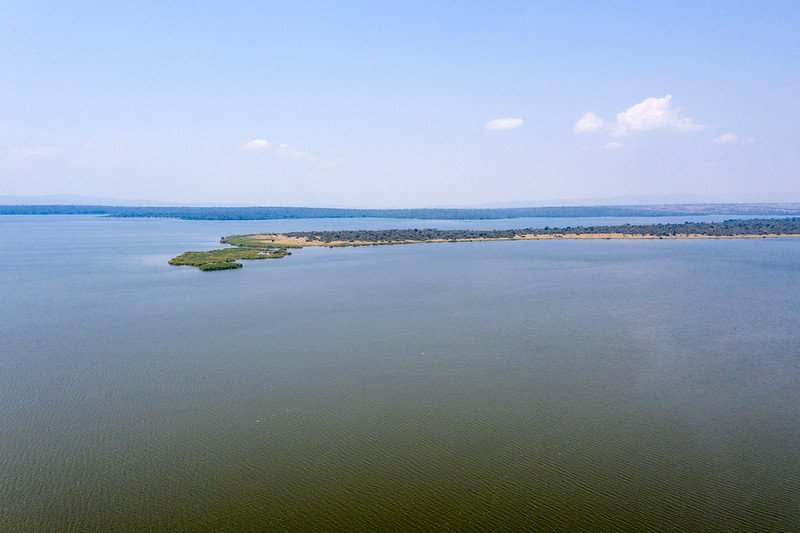
For boat safaris on Lake Ihema, add a light windproof layer and a lens hood against spray. Insect repellent matters more here than anywhere else in Rwanda, and long sleeves at dusk are sensible.
The two items nobody packs and everybody wishes they had: thick gardening gloves and gaiters. Neither costs much, both are useless anywhere else, and on a wet morning in the Virungas they are the difference between an enjoyable trek and an ordeal.
Camera Gear and Electronics
Forest light is the defining challenge, so a camera that handles higher sensitivity well matters more than a long lens.
For gorillas, a zoom in the 70 to 200mm range is the standard recommendation, since Rwanda’s minimum distance is seven metres and dense vegetation makes a long telephoto unwieldy. For chimps in Nyungwe, reach into the canopy is useful, so 100 to 400mm earns its place. For Akagera, a 400mm does the work a shorter lens cannot.
Flash is prohibited around all primates. Turn it off before leaving the vehicle and silence your camera and phone.
Practical items: more spare batteries than you think, because cold at altitude drains them faster; more memory cards than planned; lens cloths in quantity, since mist beads on the front element within minutes; and silica gel packs in the camera bag.
Rwanda runs on 230 volts with European style round pin sockets, types C and J, so most European plugs fit and travellers from the UK, North America and Australasia need an adapter. Lodge power outside the towns can be intermittent, so a power bank is worth carrying.
Health, Medication and Toiletries
Bring a small personal kit rather than relying on finding things locally, particularly outside Kigali.
Useful contents: blister plasters and moleskin, ibuprofen, antihistamine for nettle stings and insect bites, rehydration salts, plasters, antiseptic, and any prescription medication in its original packaging with a copy of the prescription.
Insect repellent containing DEET or picaridin for Akagera and Lake Kivu. Sunscreen at high factor, since altitude increases exposure even under cloud. Lip balm with sun protection.
Discuss malaria prophylaxis with a travel clinic before you go. Risk is low in Kigali and the high altitude western parks, higher in Akagera and the lower east.
Carry a yellow fever certificate if you are arriving from or transiting a country where it is endemic, and note the vaccine must be given at least ten days before arrival.
Hand sanitiser, wet wipes and a small quick drying towel round out the practical items. Lodges provide toiletries at most tiers, but not always at the budget end.
Documents, Money and Luggage Limits
Carry a passport valid for at least six months beyond your departure date with blank pages, your visa or eVisa printout, travel insurance details covering trekking at altitude, and your gorilla permit copy if you have one.
Keep digital copies of everything in cloud storage and a printed set separately from the originals.
Take clean, undamaged United States dollar notes for visas on arrival, tips and porters, alongside cards, which work in Kigali and at better lodges but not reliably in rural areas. Rwandan francs are useful for markets and small purchases.
On luggage, light aircraft transfers within the region impose strict limits, commonly around fifteen kilograms in a soft sided bag with no rigid frame. If your itinerary includes a flight to Kamembe for Nyungwe or onward into Uganda, Kenya or Tanzania, check the allowance before you pack a hard case. Most lodges offer laundry, which makes packing light far easier than people assume.
What Not to Bring to Rwanda
A short list, and the first item is not optional.
Single use plastic bags are banned countrywide and are confiscated at Kigali airport. Repack anything wrapped in plastic before you fly and bring fabric or mesh bags for wet clothes and boots instead.
Camouflage clothing, as noted above, should be left at home entirely.
Drones require authorisation from the Rwanda Civil Aviation Authority arranged in advance, and flying one without it inside a national park is not something to attempt.
Leave the hard shell suitcase behind if you have internal flights, leave heavy telephoto lenses behind if the Virungas are your main destination, and leave the new boots on the shop shelf.
Packing for Families and Older Travellers
Two groups need a slightly different list, and both are more common on Rwandan itineraries than people assume.
Families travelling with children under fifteen cannot take them gorilla trekking, since the minimum age is firm. Pack for golden monkey tracking instead, which has a lower age limit and easier ground, along with lodge based activities, the Nyungwe canopy walkway and Akagera game drives. Children need the same waterproofing and footwear as adults, and hiring a porter for a child’s daypack is money well spent.
Older travellers and anyone unsure about the climbing should pack trekking poles without hesitation, and speak to the rangers at the briefing about being assigned a nearer gorilla family. Sedan chairs carried by porters can be arranged in advance through the park for those who need them, so mention mobility limits at booking rather than on the morning.
For both groups, a slower pace matters more than lighter kit. Rangers set the walking speed to the slowest person in the group, so nobody is left behind, but arriving with worn boots and a porter already arranged makes the difference between a hard day and a good one.
Seasonal Packing Adjustments
The list changes at the margins rather than fundamentally, since Rwanda’s temperature barely moves through the year.
March to May and October to November, the rains. Double down on waterproofing. A second pair of boots or at least a spare pair of shoes for the evening, extra socks, dry bags for everything electronic, and a poncho over the rain jacket for sitting in an open vehicle.
June to September, long dry season. Add dust protection for Akagera, more sun protection, and remember it still rains in the western forests. Nights on the volcanoes are at their coldest, so bring the warmer layer.
Mid December to February. Similar to the mid year dry season with slightly more cloud. February is the cloudiest month, so photographers should plan for flat light rather than harsh sun.
Any month at altitude. Cold at dawn, warm by mid morning, cold again after dark, and rain possible on any day. The layering system matters more than the season you choose.
Packing for Rwanda is not complicated, but the country punishes the wrong footwear and rewards a few unglamorous items that nobody thinks to bring. Intare Safaris is based in Rwanda and runs these treks year round, so they know what the trails are actually doing in the month you are travelling and what that means for your bag.
Ask Intare Safaris for a packing list matched to your specific itinerary and dates, and you will get advice based on current conditions rather than a generic list copied from a savannah safari.