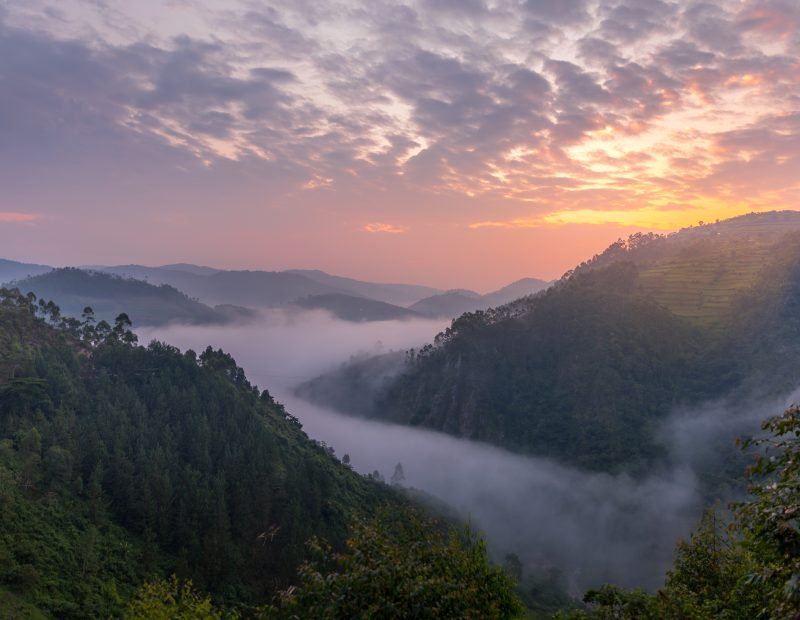
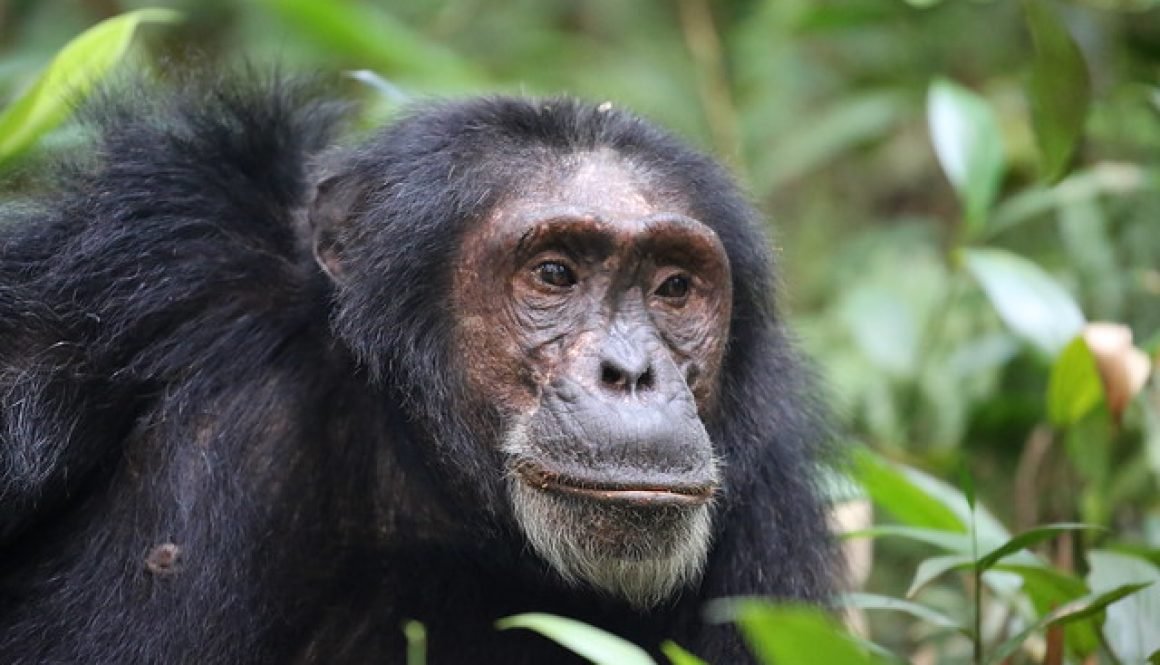
Kibale Forest National Park is Uganda’s leading chimpanzee trekking destination, protecting around 795 square kilometres of moist evergreen rainforest in the west near Fort Portal. Roughly 1,500 chimpanzees live here, the largest population in the country, alongside thirteen primate species, which is the highest primate density in East Africa. Trekking runs from the Kanyanchu visitor centre, with a full day habituation experience also available.
Kibale gets called the primate capital of the world and for once the marketing is close to accurate. What sets it apart from other chimpanzee destinations in the region is reliability. The Kanyanchu community has been tracked since the early 1990s, and the chances of finding them are high enough that guides quote them with confidence, which is not something you hear in Nyungwe or Kyambura.
Chimpanzee Trekking at Kanyanchu
Chimpanzee trekking starts at the Kanyanchu visitor centre with a ranger briefing, and there are two sessions daily, usually around eight in the morning and early afternoon. Groups are small, and rangers cover the rules before you set off: keep your distance, no flash, keep voices low, no eating in the presence of the chimps, and nobody treks with a cold or flu.
The walk itself lasts around three hours in total, though it varies with where the community has moved. Rangers track by listening for pant hoots, reading feeding signs and locating the nests the chimps built the previous evening. A ranger carries a rifle, which is for warning off forest elephant rather than for the primates.
Once the community is found you get an hour with them. Kibale’s terrain is the reason this is easier than chimpanzee trekking in Rwanda: the ground here is gently rolling rather than the steep valleys and sharp ridges of Nyungwe, so the walking is brisk rather than exhausting.
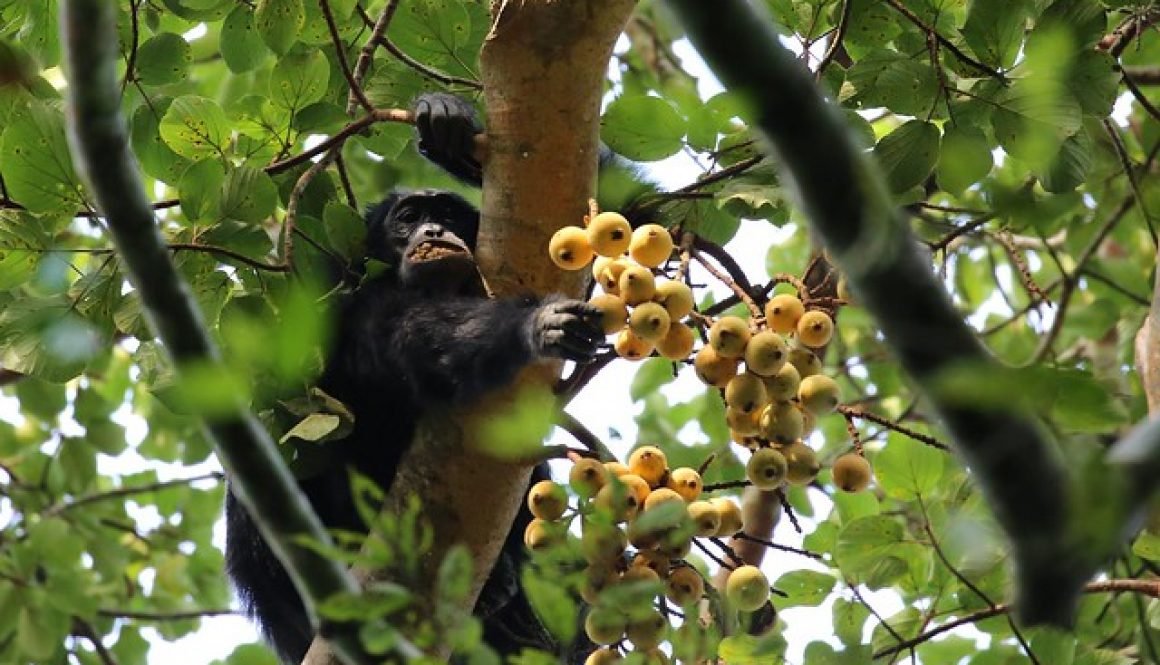
Sightings are good but chimps are still chimps. They move fast, they climb, and a session can mean watching a group feed in a fig tree above you rather than sitting with them at ground level. When they come down and move past on the trail, which happens regularly here, it is startling at close range.
If chimpanzees are a priority on your trip, Kibale is the destination to build around rather than an add on. Sighting odds here are the best in the region, the terrain is the gentlest, and the community is the largest. Kyambura Gorge and Nyungwe are both worth doing, but neither is the equal of Kanyanchu for reliability.
Safari packages visiting Kibale Forest National Park
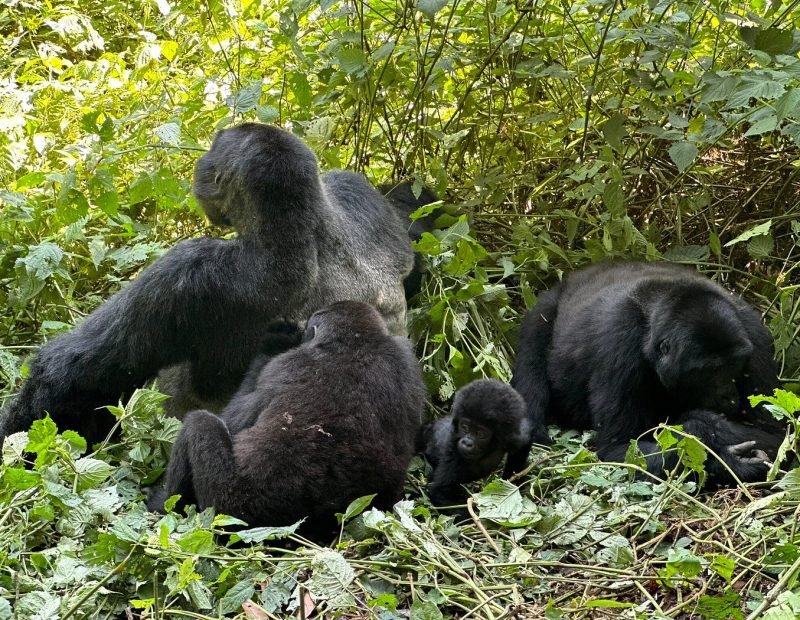
7 Day Uganda Primates And Wildlife Safari
Seven days across western Uganda: chimpanzees at Kibale, the Kazinga Channel and Kasenyi plains in Queen Elizabeth, Ishasha tree climbing lions and…
Uganda · Kibale Forest, Queen Elizabeth National Park, Ishasha & Bwindi Impenetrable Forest
View itinerary 7 Day Uganda Primates And Wildlife Safari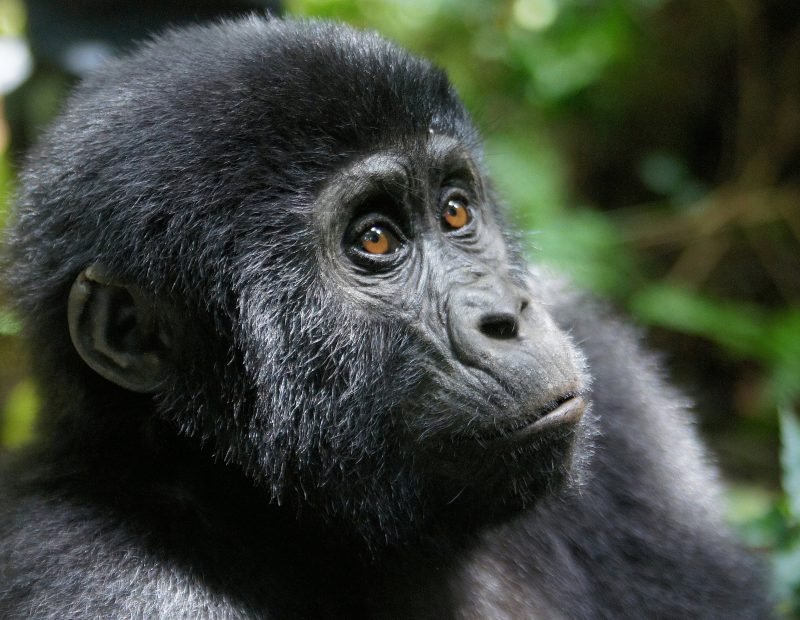
8 Day Uganda Big Five And Primates Safari
Eight days across four Ugandan parks: rhino at Ziwa, the Nile launch cruise at Murchison, chimpanzees at Kibale, the Kazinga Channel and…
Uganda · Ziwa, Murchison Falls, Kibale Forest, Queen Elizabeth & Bwindi
View itinerary 8 Day Uganda Big Five And Primates Safari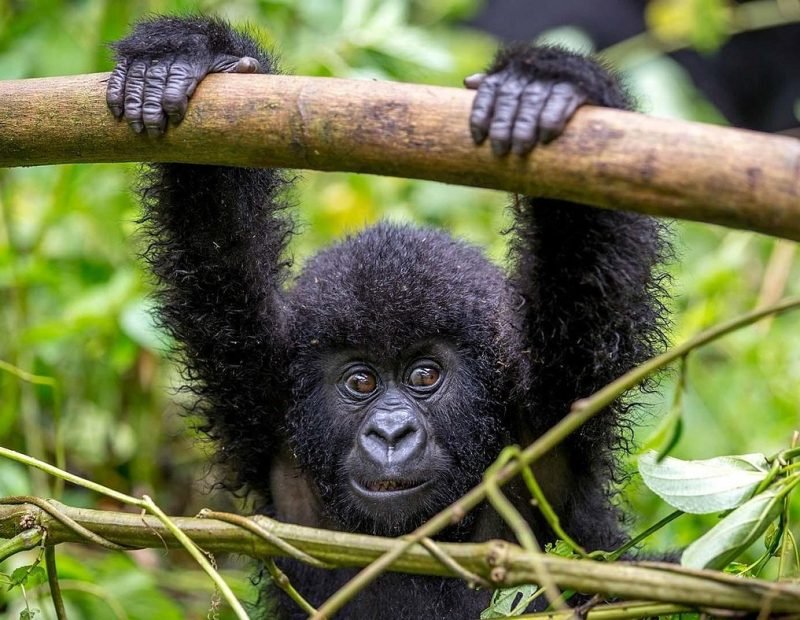
10 Day Best Of Uganda Safari
Ten days across Uganda at a sensible pace: Ziwa rhinos, Murchison Falls and the shoebill delta, Kibale chimpanzees, Queen Elizabeth, Ishasha and…
Uganda · Entebbe, Ziwa, Murchison Falls, Kibale, Queen Elizabeth, Ishasha & Bwindi
View itinerary 10 Day Best Of Uganda Safari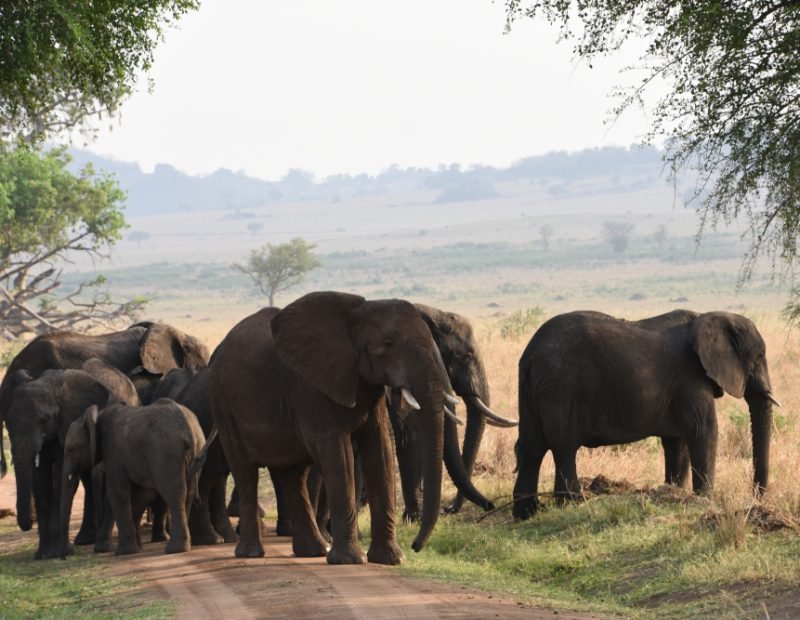
12 Day Uganda In Depth Safari
Twelve days across Uganda including a fly-in to remote Kidepo Valley, rhino at Ziwa, Murchison Falls, Kibale chimpanzees, Queen Elizabeth, Ishasha and…
Uganda · Kidepo Valley, Ziwa, Murchison Falls, Kibale, Queen Elizabeth, Ishasha & Bwindi
View itinerary 12 Day Uganda In Depth Safari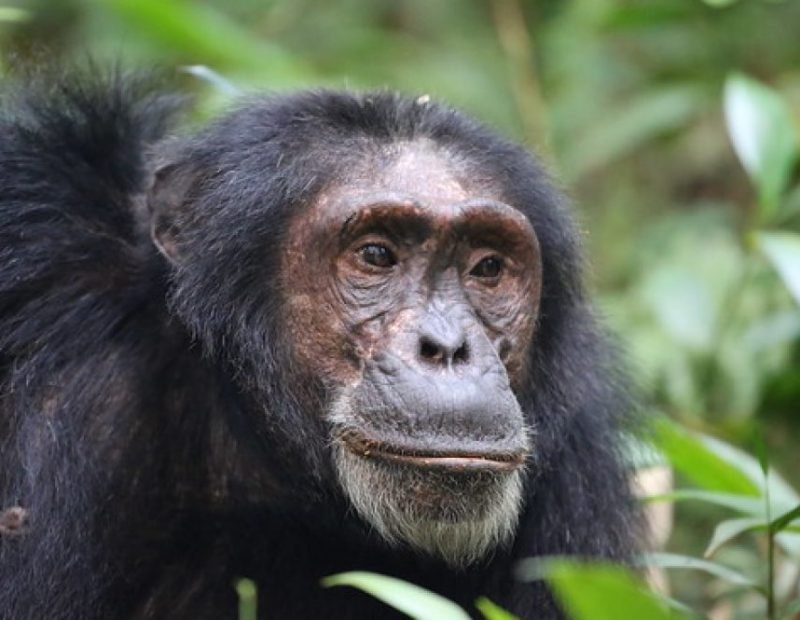
3 Day Kibale Chimpanzee Trekking Safari
Three days at Kibale Forest, Uganda's primate capital: chimpanzee trekking at Kanyanchu, the Bigodi wetland walk and the Fort Portal crater lakes.
Uganda · Kibale Forest National Park, Bigodi Wetland & Fort Portal
View itinerary 3 Day Kibale Chimpanzee Trekking Safari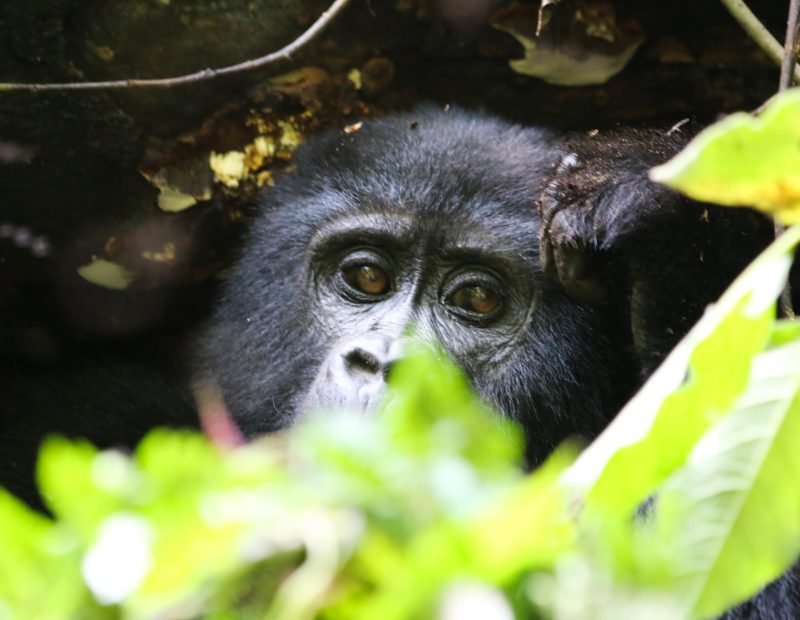
5 Day Uganda Gorillas And Chimpanzees Safari
Five days tracking both great apes in Uganda: chimpanzees at Kanyanchu in Kibale Forest, a game drive through Ishasha, then mountain gorillas…
Uganda · Kibale Forest, Queen Elizabeth Ishasha Sector & Bwindi Impenetrable National Park
View itinerary 5 Day Uganda Gorillas And Chimpanzees SafariThe Chimpanzee Habituation Experience in Kibale
The chimpanzee habituation experience is the option serious primate travellers come for, and it is a fundamentally different day from a standard trek.
You start before dawn, arriving at the forest around six as the chimps begin to stir in their overnight nests, and you stay with the community through the day. You watch them descend, feed, groom, hunt, patrol territory, rest through the heat and eventually begin building fresh nests in the late afternoon. Researchers and rangers are working alongside you throughout, recording behaviour as part of the habituation process.
Numbers are strictly limited and the community involved is still becoming used to human presence, so the animals behave less predictably than a fully habituated group. That is the point. You see natural behaviour rather than tolerance.
It is a long day and it demands stamina, patience and a genuine interest in the animals rather than a photograph. For photographers, researchers and anyone who has already done a standard trek and wanted more, it is the strongest primate activity in Uganda outside gorilla habituation at Bwindi.
Kibale’s Thirteen Primate Species
The chimpanzees dominate the attention and the rest of the primate list deserves better than it gets.
Red colobus. Kibale holds one of the largest remaining populations of the Ugandan red colobus, a threatened species and the primary prey of the chimpanzees here, which makes for uncomfortable viewing when a hunt happens.
Black and white colobus. Seen constantly in the canopy, moving in troops with long white tails streaming behind them. The easiest primate to photograph in the forest.
Grey cheeked mangabey and L’Hoest’s monkey. Both regularly seen on the Kanyanchu walk, the mangabey high in the canopy and L’Hoest’s more often on the forest floor.
Nocturnal species. Potto and bushbaby, seen only on night walks, along with the elusive olive baboon, red tailed monkey, blue monkey and vervet across the day list.
The Kanyanchu Primate Walk is a separate activity from the chimpanzee trek, a two to three hour nature trail built around finding the wider primate list rather than the apes. Anyone spending two nights here should do both.
Beyond primates, forest elephant move through the deeper parts of the park, along with bush pig, giant forest hog, duiker and bushbuck. Elephant here are smaller and hairier than savannah elephant and are rarely seen, though the sign is everywhere.
Bigodi Wetland Sanctuary Walks
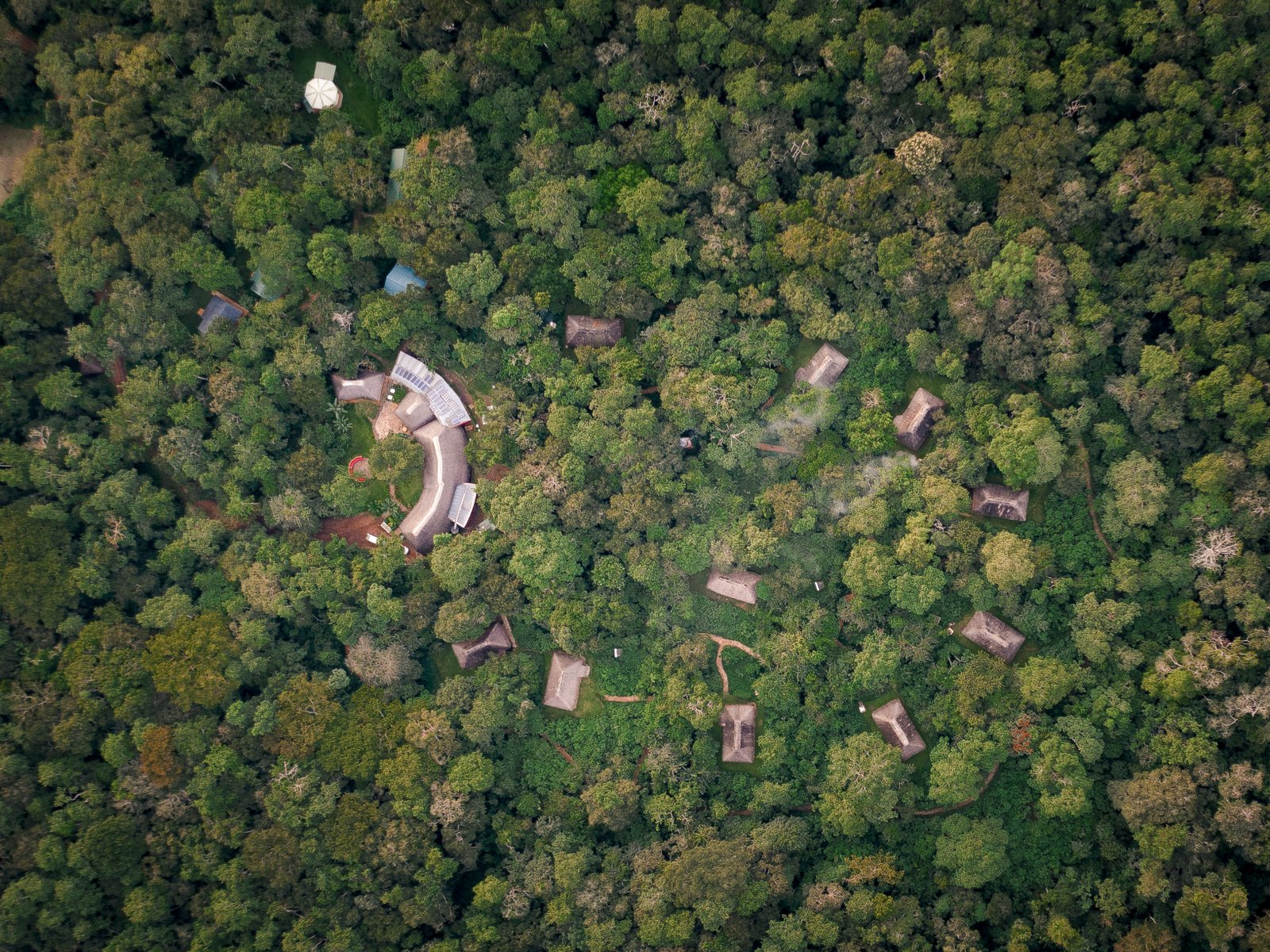
Bigodi sits just outside the park boundary, a few kilometres from Kanyanchu, and it is one of the best community conservation projects in Uganda. It is managed by KAFRED, a community organisation, and the revenue funds local schools, healthcare and livelihood projects.
Guided walks follow a boardwalk and trail system through Magombe swamp, papyrus and gallery forest, taking around three hours. The habitat is entirely different from the rainforest next door, which is why the species list differs so much.
Around 138 bird species have been recorded, with the great blue turaco the bird everyone wants and usually gets, alongside papyrus gonolek, hornbills, weavers, waxbills, kingfishers and flycatchers. Eight primate species use the wetland, including red colobus and black and white colobus, and sitatunga, otter, bush pig and mongoose live in the swamp.
Bigodi is the standard afternoon pairing with a morning chimpanzee trek, and it deserves better than being treated as filler. The guides are local, they know the birds properly, and the walking is easy.
Thirteen primate species in one forest, the highest density anywhere in East Africa. You will hear more of them than you see, and the noise at dawn is unlike anything else in the region.
Birding Safaris in Kibale Forest
Kibale holds somewhere in the region of 325 to 375 recorded bird species, and it is one of the better forest birding sites in Uganda, although the primates get all the attention.
The species that brings birders here in the first place is the green breasted pitta, a difficult and much wanted bird found in the forest interior. Finding one means a very early start with a specialist guide who knows the display sites, and it is not a casual undertaking.
Other targets include the African pitta, black bee-eater, yellow spotted nicator, yellow rumped tinkerbird, little greenbul, crowned eagle, African grey parrot and a good run of hornbills. The forest edge and the Bigodi wetland together give a wider list than either alone.
Butterflies are a strong secondary draw, with well over a hundred species recorded, and the numbers along forest tracks after rain are genuinely striking.
A dedicated birding guide is worth arranging separately from the chimpanzee rangers, whose job on a trek is the apes rather than the canopy.
Night Forest Walks in Kibale
Night walks leave from Kanyanchu after dark with a ranger and torches, and they show a completely different forest.
The targets are nocturnal primates, principally potto and several bushbaby species, whose eyes reflect back in the torch beam long before you make out the animal. Tree hyrax scream in the canopy, which unsettles first timers. Nightjars, owls, civets, genets and occasionally a bushbaby leaping between trees round out the sightings.
Walks last a couple of hours on established trails and require no particular fitness. It is one of the cheapest and most interesting activities in the park, and very few visitors do it.
Take a torch of your own as backup, wear long sleeves against insects and expect the forest to sound far busier than it does by day.
Crater Lakes and Amabere Caves Near Fort Portal
The country around Kibale is one of the better parts of Uganda for a non wildlife day, and Fort Portal is a pleasant base.
The Kasenda and Fort Portal crater lake clusters sit west and north of the park, dozens of steep sided volcanic craters holding deep green lakes among tea plantations and banana groves. Walking or cycling between them, staying at one of the small lodges on a crater rim, is a genuinely restful day. Several lakes are safe for swimming.
The Amabere Ga Nyinamwiru caves near Fort Portal hold stalactites tied to a well known local legend, with a waterfall running over the cave mouth and a short guided walk to reach them.
Tea estates around Fort Portal offer plantation and factory visits, and the Toro kingdom palace in the town gives cultural context for the region.
Kibale Compared With Other Chimpanzee Destinations
Chimpanzee trekking is available at several sites across Uganda and Rwanda, and the differences between them are larger than most itineraries acknowledge.
Kibale, Uganda. The largest population, the longest habituation history and the gentlest terrain, which together give the most dependable sightings in the region. The full day habituation option is the deepest primate experience outside Bwindi. The benchmark against which the others are measured.
Nyungwe and Cyamudongo, Rwanda. Semi habituated communities in steep, spectacular montane rainforest. Sightings are less certain and the walking is considerably harder, with deep valleys and sharp ridges. Worth doing on a Rwandan circuit, but not the equal of Kanyanchu for reliability.
Kyambura Gorge and Budongo, Uganda. Kyambura is a striking place with a small isolated community and moderate odds. Budongo has a larger, well studied population and good birding alongside. Both fit neatly into a wider circuit rather than justifying a trip of their own.
The practical conclusion for most travellers is straightforward. If you want one chimpanzee experience and you want it to work, do it at Kibale and treat anything you see at Kyambura or Nyungwe as a bonus.
Best Time for Chimpanzee Trekking in Kibale
Kibale is rainforest and rain falls in every month, so the seasonal difference is about how much rather than whether.
June to September and December to February. The drier periods and the most comfortable trekking. Trails hold together, forest walks are pleasanter and this is when most visitors come. Permits need booking further ahead.
March to May, long rains. Wettest walking of the year, with muddy trails and heavy afternoon rain. Chimps often feed lower during the rains, and permits and lodges are easier to secure. Perfectly workable with the right kit.
October and November, short rains. Afternoon showers rather than sustained rain, quiet forest, and migrant birds arriving. A sound compromise window.
Any month. Waterproof jacket, boots with grip, long trousers and sleeves against nettles and insects, and a dry bag for camera gear. The forest is humid year round and rain arrives with little warning.
Getting to Kibale Forest National Park
Kibale sits in western Uganda near Fort Portal, roughly 320 kilometres from Kampala, which works out at around five to six hours by road on a decent route.
Domestic flights run from Entebbe or Kajjansi to Kasese airstrip, from where Kibale is about an hour and a half by road, which shortens a long day considerably.
From Queen Elizabeth National Park the drive north is around two to three hours, which is why the two are almost always paired. From Bwindi it is a longer day, normally five to six hours, and from Kigali it is a full day of driving, so Rwanda based itineraries usually reach Kibale after a night at Bwindi or Queen Elizabeth rather than direct.
Accommodation runs from budget guesthouses and community bandas near Bigodi through mid range forest lodges to high end properties on the crater lakes. Staying close to Kanyanchu matters most if you are doing the habituation experience, since the start is before dawn.
Kibale is the easiest chimpanzee destination in the region to get right, provided the permit is booked and the lodge is close enough to the briefing point for an early start. Intare Safaris runs the Ugandan circuit from its Rwandan base and can slot Kibale between Queen Elizabeth and Bwindi so the primates and the savannah work as one trip rather than two.
Tell Intare Safaris whether you want the standard trek or the full day habituation, and they will secure the permit and place you where the morning actually works.