The best time to visit Rwanda is the long dry season from June to mid September, when trekking trails are firmest and game viewing in Akagera is strongest. A shorter dry season runs from mid December to February. The long rains fall from March to May and shorter rains in October and November. Rwanda sits close to the equator at altitude, so temperatures barely move through the year and rainfall is what actually changes.
That said, the dry season answer is the easy answer, and it is not right for everybody. Chimpanzee trekking is better in the rains. Birding peaks with the migrants from November. Permits are hardest to get in exactly the months everyone recommends. What follows is the honest breakdown by season and by activity.
Rwanda’s Two Dry Seasons and Two Rainy Seasons
Rwanda has four distinct periods rather than a simple wet and dry split, and knowing which is which shapes everything else.
The long dry season runs June to mid September, with July the driest month of the year. The short rains fall through October and November. The short dry season covers mid December to February. The long rains arrive in March and run through May, with April the wettest month.
Temperature is almost a constant. Kigali sits at around 1,500 metres, which gives daytime highs of roughly 26 to 28 degrees year round and nights around 15 to 17. The variation between January and July is smaller than the variation between morning and afternoon on any given day.
What does change dramatically is sunshine. July gives over eight hours of daily sunshine on average. February gives around four. Cloud is a bigger factor in how Rwanda feels than rain is, and even in the driest weeks the sky is often grey in the western highlands.
Rwanda is a year round destination and no park closes in any season. The real constraint on timing is permit availability rather than weather, which is why the question of when to visit is usually settled by when you can get a gorilla permit rather than by the forecast.
June to September: The Long Dry Season
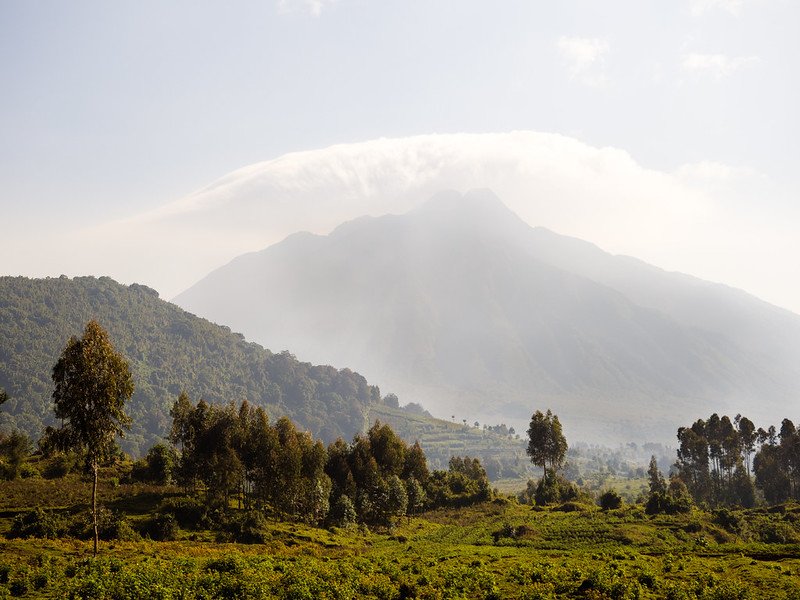
This is the peak window and the one most visitors choose. Rainfall drops to almost nothing in Kigali through July, trails in the Virungas firm up, and the volcanic soil that turns to deep mud in the wet months becomes manageable.
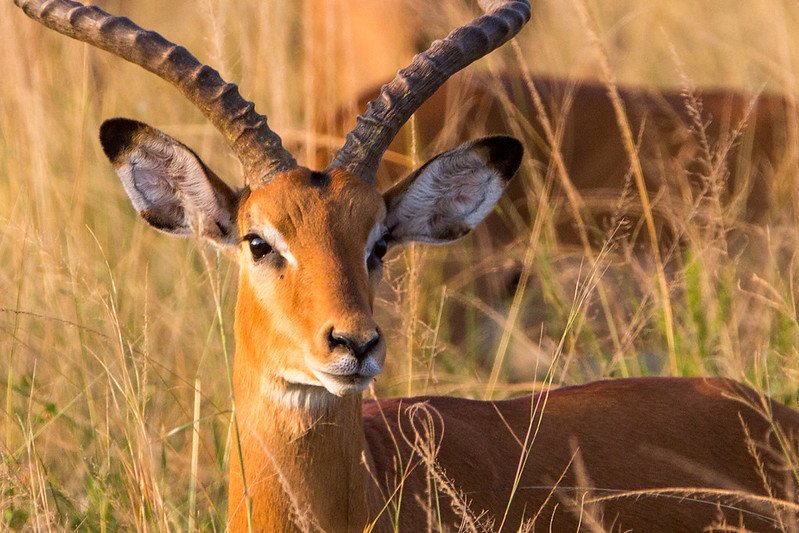
In Akagera the grass thins and water sources shrink, which concentrates animals near the lakes and remaining pans and gives the best game viewing of the year. Visibility across the northern plains improves considerably, which matters for lion.
The costs are crowds and competition. Gorilla permits for July and August are the hardest to secure of any dates, lodges near Kinigi fill months ahead, and prices sit at their highest. Kwita Izina, the gorilla naming ceremony, takes place near Musanze in September and brings additional demand.
One caveat worth stating plainly: this is still a rainforest at altitude. It rains in Volcanoes National Park and Nyungwe in every month including August, and anyone treating the dry season as a guarantee will be caught out.
Mid December to February: The Short Dry Season
The second dry window is shorter, slightly less reliable and considerably less crowded, which makes it the smart choice for a lot of travellers.
Conditions on the trails are similar to the mid year season, with firm walking and decent visibility. Game viewing in Akagera holds up well. Permit competition eases compared with July and August, though December holidays bring their own spike.
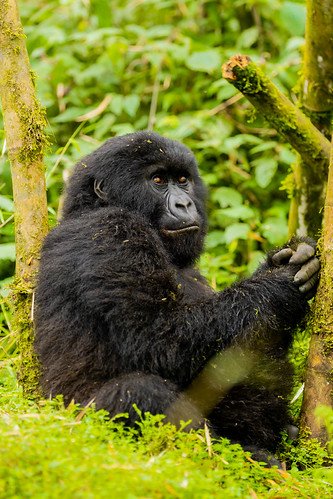
February has a particular draw for anyone focused on gorillas. It falls within the calving period, so infants are frequently visible in the families, and a group with a young baby in it is a different hour from one without.
The trade off is light. February is the cloudiest month of the year in Kigali, with roughly half the daily sunshine of July, so photographers should expect flat conditions.
March to May: The Long Rains
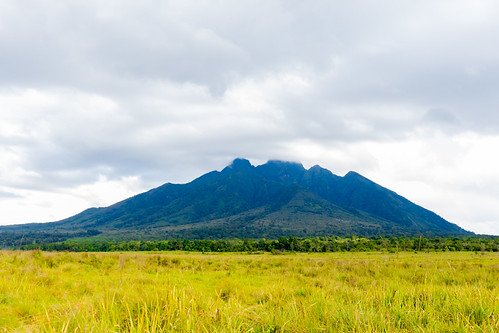
April is the wettest month in Rwanda, and the long rains are genuinely heavy rather than a passing shower. Afternoon downpours are routine, volcanic soil turns to deep mud, and the Bisoke and Karisimbi climbs become hard work.
This is also when Rwanda is at its most beautiful, at its emptiest and at its cheapest. Permits are easier to secure, lodges have availability, and low season rates apply. The country is green in a way it simply is not in August, waterfalls in Nyungwe run at full strength and the light for photography is far better than the harsh midday sun of the dry months.
For chimpanzee trekking this may well be the best season of the year, since fruiting patterns bring the apes lower and closer to the trails. For anyone whose priority is gorillas and who can handle mud, the trade is a good one.
The thing to avoid in these months is an itinerary built around summit hikes. Karisimbi in April is a slog with no view at the top.
Everyone recommends June to September, which is exactly why permits for those dates go first. The traveller who can move to November or February usually gets a better trip for less effort.
October and November: The Short Rains
The short rains bring showers rather than sustained downpours, usually in the afternoon, with mornings often clear. For many activities this is the sweet spot that nobody talks about.
Trails are damp but manageable. The parks are quiet. Permit availability is much better than the dry peak. Air is cleaner than in the dusty late dry season, and the light is softer for photography. Migrant birds start arriving from November, which lifts the country’s bird lists considerably.
Akagera game viewing is a little weaker than in the dry months as the grass grows and animals disperse, though it remains perfectly good, and the greener country photographs better.
If you want a compromise between conditions, cost and crowds, October and November deliver it more consistently than any other window.
Best Time for Gorilla Trekking Safaris in Rwanda
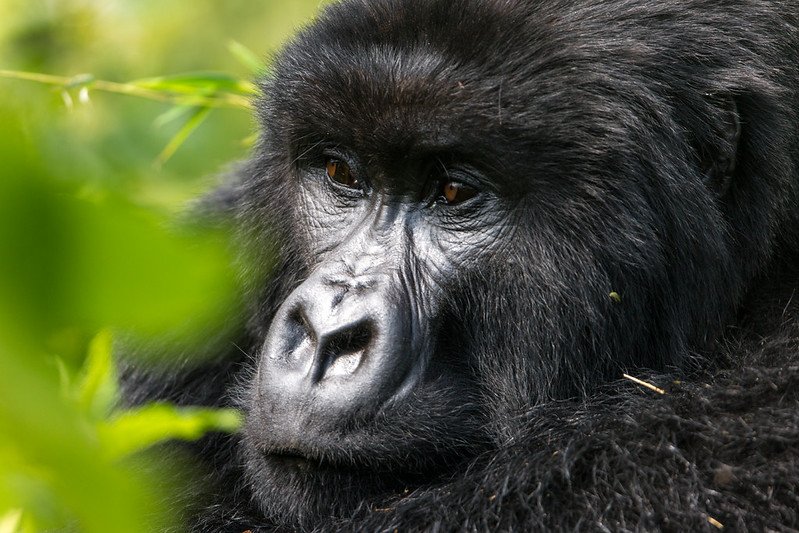
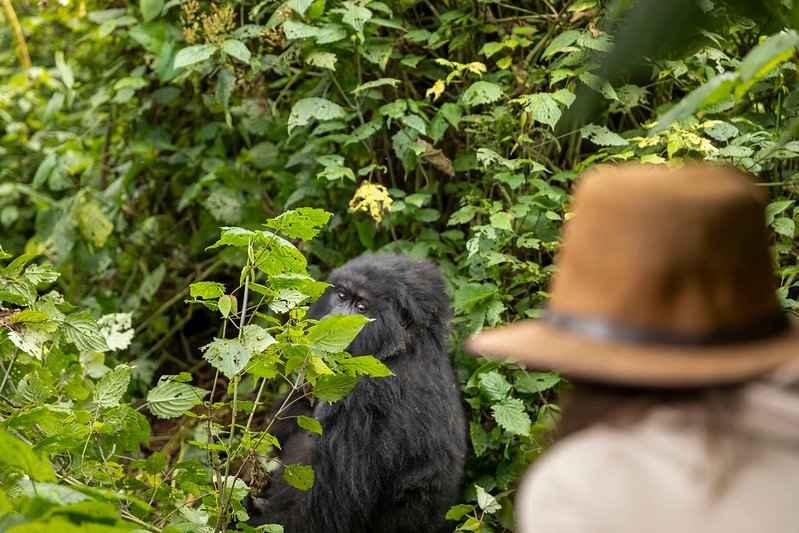
Gorilla trekking runs every day of the year in Volcanoes National Park and no month closes it. Season affects the walking rather than the sighting, since trackers locate the families each morning regardless of weather.
June to September gives the firmest trails and the clearest views of the volcanoes, and it is when the permits are hardest to get. Mid December to February gives similar conditions with slightly less pressure, plus the chance of infants in February.
March to May means mud, steeper effort and a higher likelihood of being rained on during your hour. It also means far better permit availability. Plenty of experienced travellers deliberately choose the rains for exactly that reason and hire a porter to deal with the rest.
October and November sit in between and are a sound choice.
Best Time for Chimpanzee Trekking in Nyungwe
This is where the standard advice inverts, and it catches out people planning around the gorillas.
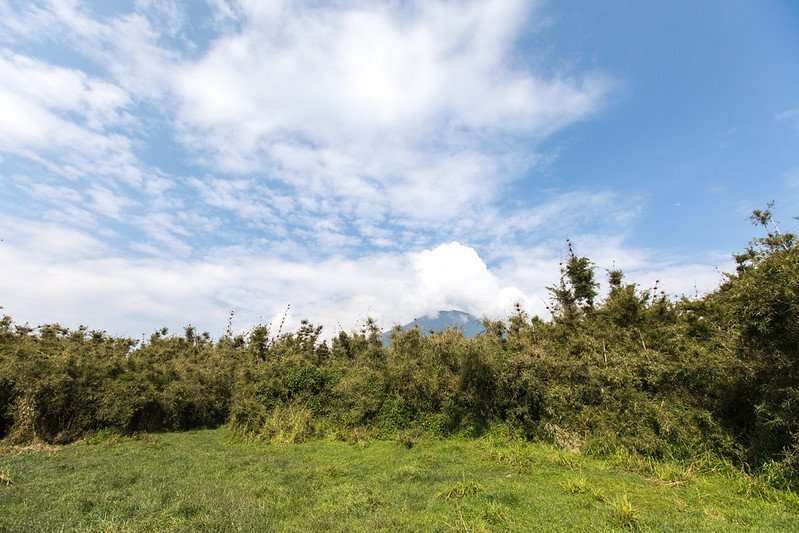
March to May and October to November are the strongest months for chimpanzee trekking. During the rains, fruiting patterns bring the communities lower and closer to the trails, which shortens treks and improves the quality of sightings. In the dry season the chimps range more widely as fruit becomes scattered, and treks can run considerably longer with less certain results.
The cost is the walking. Nyungwe is built of steep valleys and sharp ridges, and it takes around 2,000 millimetres of rain a year, so wet season trails are slow and slippery.
Temperature here barely moves, sitting around twenty degrees by day and about ten at night in every month.
Best Time for Akagera Game Drive Safaris
Akagera is the most seasonal of Rwanda‘s parks in terms of what you actually see, because it is the only savannah.
June to September is clearly the strongest window. Short grass improves sightlines across the northern plains, shrinking water sources concentrate animals, and the tracks are firm enough to reach the far north easily. Mid December to February performs similarly with fewer vehicles.
March to May sees grass grow tall and animals disperse, making spotting harder. The low northern plains at Kilala and Mohana flood, larger vehicles are turned away from those areas, and a four wheel drive becomes necessary. The country is greener and the photography light better, which is genuine compensation.
Akagera sits at low altitude, so it is warm year round and never uncomfortable, which makes it the easiest park to slot into any month.
Best Time for Birding Safaris in Rwanda
Birders should ignore the standard dry season advice almost entirely.
November through April is the strongest period, when Palearctic and intra African migrants swell the lists. Rwanda holds around 700 recorded species including 29 Albertine Rift endemics, and the migrant months are when a trip total climbs.
Breeding activity during the rains also helps, since more calling and more display makes forest species in Nyungwe far easier to find than in the quiet dry months.
The trade off is walking conditions and optics protection. October and November give the best balance, with migrants arriving and trails still manageable.
Best Time for Hiking and the Congo Nile Trail
Hiking is the activity most affected by season, because mud on a steep volcanic slope changes the day entirely.
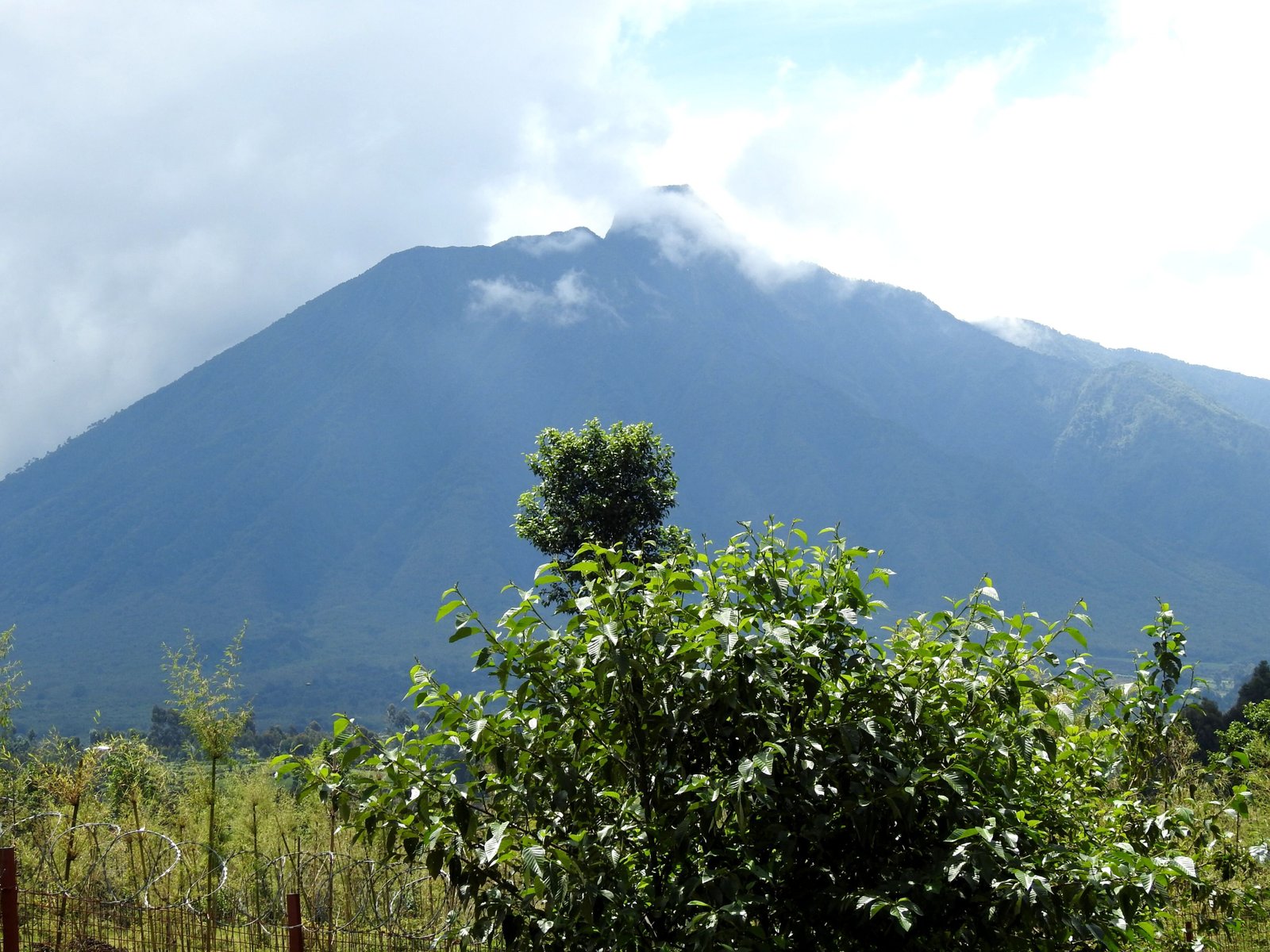
June to September is the clear winner for Bisoke, Karisimbi, Muhabura and the long Nyungwe trails such as Bigugu. Firm ground, the best chance of a clear summit and the safest descents. Mid December to February works nearly as well with fewer walkers.
March to May should be avoided for summit attempts. The climbs remain possible but the descents are unpleasant and cloud sits on the peaks most days, so you carry the effort without the view.
The Congo Nile Trail along Lake Kivu is best ridden or walked in the dry months, when the dirt surface holds together. Wet season sections become heavy going for cyclists in particular.
Rwanda’s Weather by Region and Altitude
Rwanda is small enough that seasons arrive everywhere at once, but altitude means the same month feels very different in different parks.
Kigali and the centre, around 1,500 metres. Warm days of 26 to 28 degrees, nights of 15 to 17, roughly 950 to 1,000 millimetres of rain a year. Comfortable in every month.
Akagera and the east, low altitude. The warmest part of the country, sharing Kigali’s pattern but hotter by day. Never extreme, thanks to elevation, and pleasantly cool at night.
Volcanoes, Nyungwe and Gishwati, the western highlands. Considerably colder, with daytime temperatures often between 16 and 21 degrees and nights dropping towards 10. Also much wetter, since the mountains and rainforest generate their own weather. Rain is possible in any month.
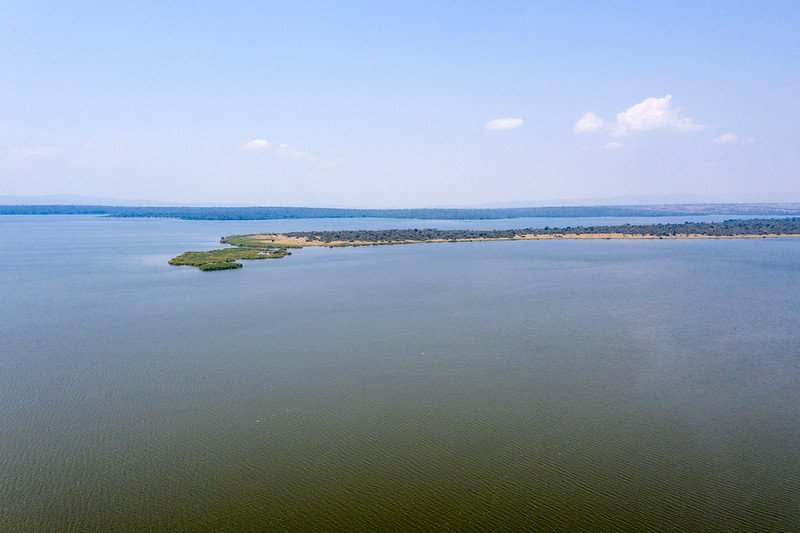
Lake Kivu, around 1,460 metres. Mild and pleasant year round with a lake breeze. The southern shore near Rusizi is wetter than the north, with a rainy season that runs from September right through to May.
Temperature drops roughly six and a half degrees for every thousand metres of altitude gained. That single figure explains why a trek that starts warm in a Musanze village ends cold on the slopes of Karisimbi.
Month by Month Summary and Events
A quick pass through the calendar, since the practical question is usually whether a particular month works.
January and February. Short dry season. Good trekking, quieter than mid year, cloudiest light of the year. February brings gorilla infants after calving.
March, April and May. Long rains, April the wettest. Best for chimpanzee trekking, worst for summit hikes. Cheapest and quietest. Kwibuka, the annual commemoration, begins on 7 April and the mood across the country is subdued for that period.
June, July, August and early September. Long dry season, July the driest month. Best hiking and Akagera game viewing, hardest permit competition, highest prices. Liberation Day falls on 4 July.
September, October, November and early December. Kwita Izina, the gorilla naming ceremony, is held near Musanze in September. Short rains follow through October and November, with migrant birds arriving and quiet parks.
One more fixed point that affects travel in any month: Umuganda, the national community work morning, falls on the last Saturday of every month. Shops close, buses stop and roads empty until around midday.
The honest summary is that Rwanda works in every month, and the right answer depends on which activity matters most to you and how far ahead you can commit. Intare Safaris is based in Rwanda and works these parks year round, so they can tell you what a given month actually looks like on the ground rather than what the seasonal averages suggest.
Give Intare Safaris a rough window and the activities you care about most, and they will tell you honestly whether to move your dates or whether what you have in mind already works.