
10 Day Rwanda Birding And Gorilla Trekking Safari
Rwanda · Kigali, Bugesera, Akagera, Rugezi Marsh, Volcanoes, Gishwati Mukura & Nyungwe
- 10 days, 9 nights
- Customisable itinerary
- Private departure
Trip overview
Rwanda holds around 700 recorded bird species including 29 Albertine Rift endemics, in a country you can drive across in a day. This trip works all of it: the wetlands on Kigali’s doorstep, the papyrus of Bugesera and Akagera, Rugezi Marsh high in the northern highlands, the Virunga bamboo, the regenerating forest at Gishwati and finally Nyungwe, where the bulk of the endemics are. A gorilla permit sits in the middle of it, because you cannot come this far and skip them. A specialist birding guide travels with you throughout.
Customise this trip for a perfect match
-
Private and tailor-made Your own vehicle, driver guide and pace. Nothing on this page is fixed — days can be swapped, added or dropped.
-
Routed by people who drive it Every itinerary here was planned by someone who has driven the road, and the planner who answers you is the one who builds it.
-
Licensed and accredited Registered with the Rwanda Development Board and a member of the Rwanda Tours and Travel Association.
-
Support while you travel One number reaches the Kigali office around the clock for the whole time you are on the ground.
A draft itinerary costs nothing and commits you to nothing. Tell us what you would change and a planner rewrites it as many times as it takes.
The route
- Akagera National Park
- Gishwati Mukura National Park
- Nyungwe Forest National Park
- Volcanoes National Park
- Start and finish
- Starts and ends in Kigali
- Length
- 10 days, 9 nights
- How it runs
- Specialist birding guide plus a gorilla permit
- Countries
- Rwanda
Itinerary
Day 1
Arrival In Kigali And Nyandungu Wetland Eco Park
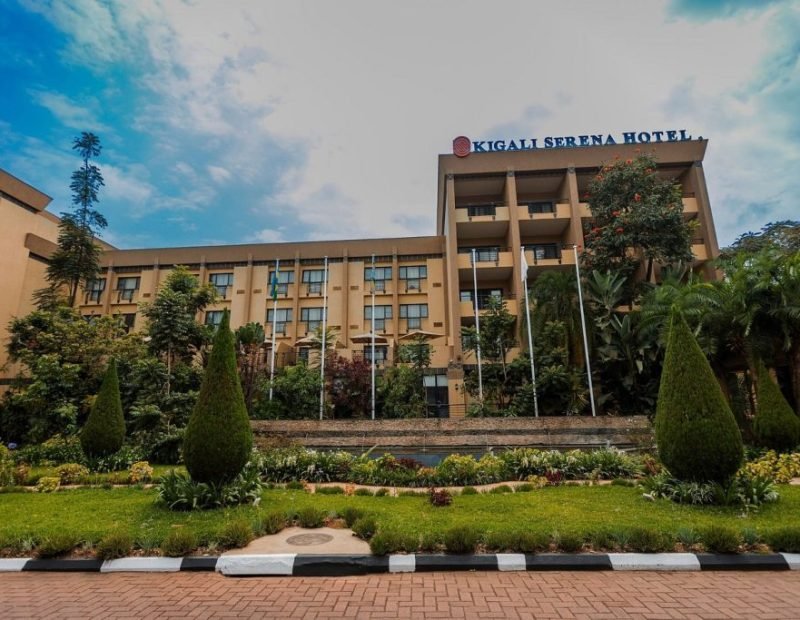
Our driver guide and your birding guide meet your flight, and you can be birding within half an hour of clearing customs. Nyandungu Urban Wetland Eco Park sits roughly five kilometres from the airport, a degraded valley that has been restored into boardwalks, trails and ponds, and it now holds over 100 species inside the city limits. It is the ideal first afternoon: gentle, close, and a chance to calibrate your ear on the common species before the harder sites. White collared oliveback is the local prize, alongside papyrus specialists in the reed beds, grey crowned crane on the margins and a good spread of weavers, kingfishers and cisticolas. If your flight lands early we add Nyarutarama Lake beside the golf course, known locally as Lover’s Lake, which produces African swamphen, grey headed bushshrike and, with luck, bat hawk at dusk. Your birding guide will go through the plan for the next nine days over dinner and ask what is already on your life list, because the route can be adjusted around the species you most want. Overnight in Kigali, list started.
Day 2
The Bugesera Wetlands At Gashora
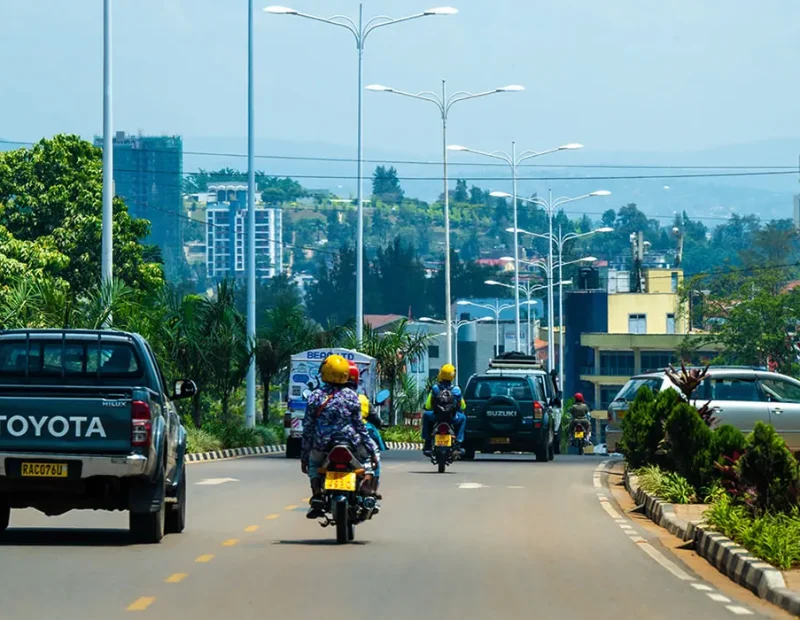
A full day south of the capital in the wetlands and lakes of Bugesera district, which are the most accessible serious birding in Rwanda and hold something around 415 recorded species. Gashora is the centre of it, one of the last extensive papyrus systems in the country, fed by the Nyabarongo river and ringed with acacia woodland so you work two habitats within a few hundred metres. The papyrus specialists are the targets and they are why birders come here: papyrus gonolek, papyrus canary, Carruthers’s cisticola, white winged swamp warbler and white collared oliveback, with lesser jacana, Hottentot teal and white backed duck on the open water. A local boat gets you into the channels where the reeds are too thick to work from the bank. Northern brown throated weaver and blue headed coucal fill out the list. Back to Kigali in the late afternoon, or straight on east if your guide wants an early start tomorrow.
Day 3
Kigali To Akagera And A Boat On Lake Ihema
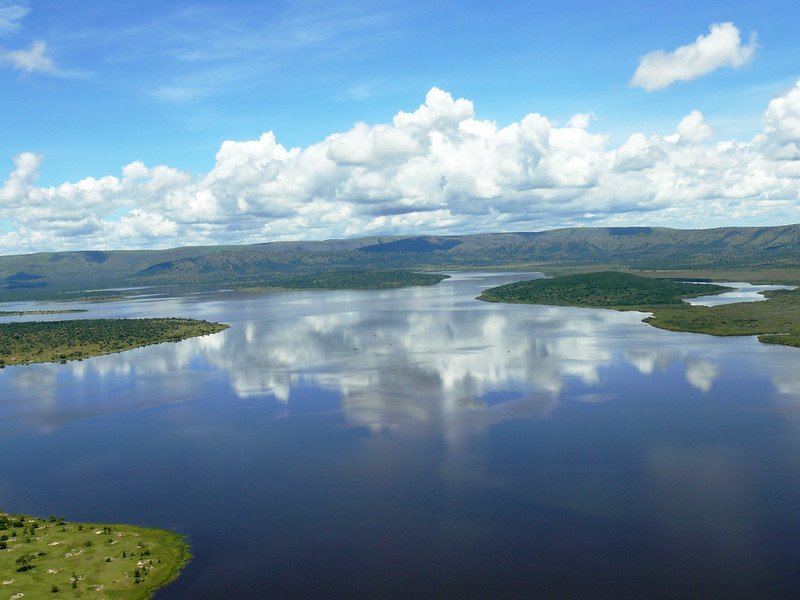
East to Akagera, roughly 110 kilometres and two to two and a half hours to the southern gate, birding the roadside wetlands and Lake Muhazi on the way. Akagera has recorded more than 500 species across papyrus swamp, lakeshore, acacia woodland and open grassland, which is the longest list of any protected area in Rwanda. We check in, then take a boat on Lake Ihema in the late afternoon. Water level permitting, the quieter papyrus channels are where the shoebill is looked for, that heavy grey prehistoric stork standing motionless waiting for lungfish, and our guides know which channels have produced recently. Sightings are never guaranteed. Alongside it: African fish eagle, great white pelican, goliath heron, saddle billed stork, African openbill, malachite and pied kingfishers, and African jacana walking the lilies. Papyrus gonolek and Carruthers’s cisticola both occur here too, so anything missed at Gashora has a second chance. Dinner at the lodge, with nightjars on the track and a genuinely dark sky.
Day 4
A Full Day Birding In Akagera
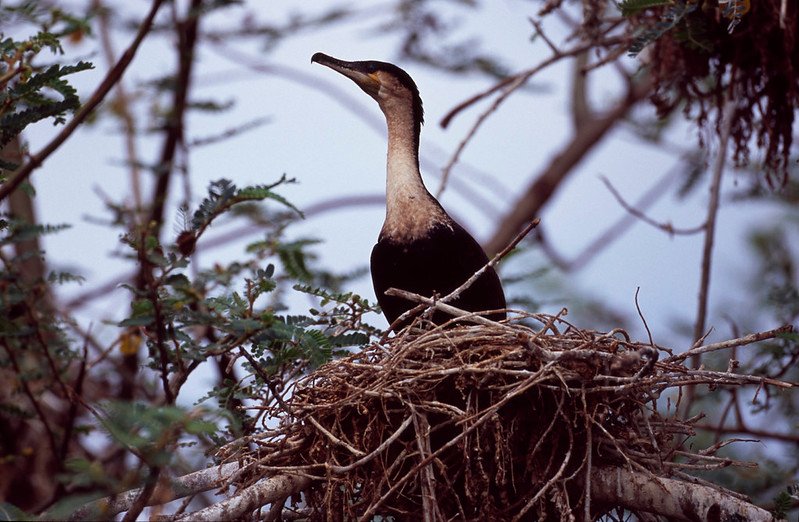
Out at six, working north through the sectors, because the savannah and woodland here carry a completely different cast from the water. Grey crowned crane, Rwanda’s national bird, gathers in small parties on the wetland margins. The acacia belt holds the red faced barbet, a regional speciality that birders travel for, along with Ross’s turaco, bare faced go away bird, spot flanked barbet and a long run of weavers. Raptors work the thermals over the Mutumba Hills: bateleur, martial eagle, long crested eagle, augur buzzard and several vultures. The open plains at Kilala and Mohana add ground birds, and the mammals come as a bonus, since Akagera now holds all Big Five across 1,122 square kilometres after lions were returned in 2015 and rhinos from 2017. Nightjar diversity here is exceptional, so we go out again after dinner if you have the energy for it. The park is far enough from any town that the darkness is absolute, which is part of why the nightjars do so well.
Day 5
Akagera To Rugezi Marsh And On To Musanze
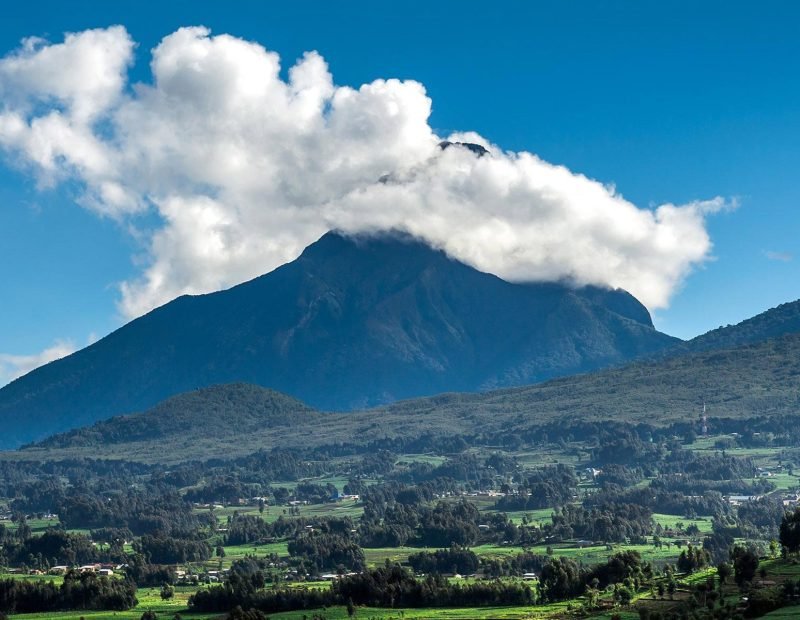
A long transfer with a very good site in the middle of it. We drive northwest out of the savannah and up into the Buberuka highlands to Rugezi Marsh, Rwanda’s only Ramsar site and an Important Bird Area, sitting at around 2,100 metres, which is an unusual elevation for a papyrus wetland anywhere in East Africa. The target is Grauer’s swamp warbler, an Albertine Rift endemic that holds good populations here, alongside grey crowned crane, papyrus canary and the possibility of papyrus yellow warbler. At the southern end, an area of open water called Lake Nyagafunzo can be worked by local canoe, which is how you reach white backed duck and lesser jacana. Allow the afternoon for it and expect to be cold; the wind comes across that marsh with nothing to stop it. Then on to Musanze, arriving in the evening with the Virunga chain ahead of you.
Day 6
Birding The Virunga Bamboo And Buhanga Forest
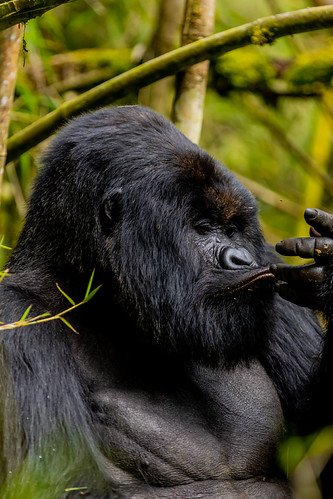
A morning in Volcanoes National Park with a birding permit rather than a trekking one, working the bamboo and hagenia zones on the lower slopes. Something in the order of 180 to 200 species have been recorded on the Rwandan side of the Virungas, with a strong list of Albertine Rift endemics among them. The birds to work for are Rwenzori turaco, Rwenzori double collared sunbird, handsome francolin, dusky crimsonwing, Rwenzori batis and Archer’s ground robin. Higher up, where giant lobelia flower on the afro alpine slopes, the scarlet tufted sunbird feeds on them, though reaching that zone means a serious climb and we will discuss whether you want it. The swamp near the base of Sabyinyo repays slow, patient working. In the afternoon, Buhanga Eco Park near Musanze, a small patch of ancient forest tied to the coronation rituals of Rwandan kings, which is easy walking and good for forest edge species.
Day 7
Mountain Gorilla Trekking In Volcanoes National Park
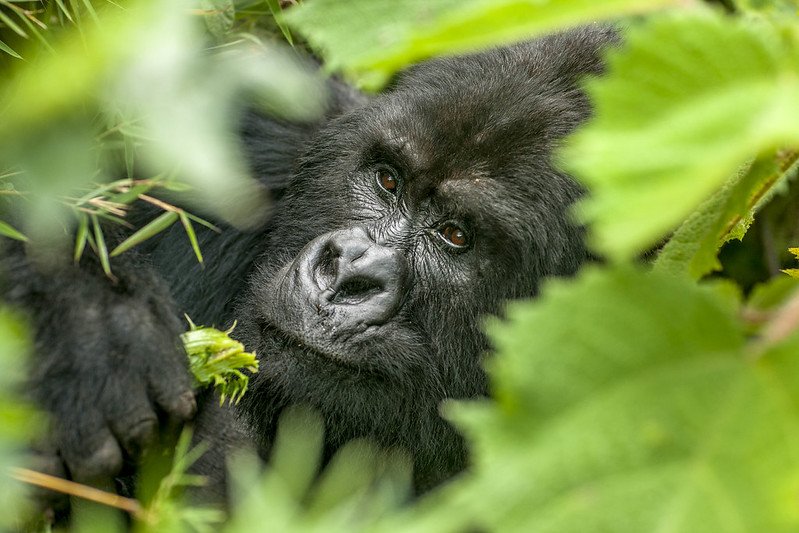
The one day the binoculars come second. Kinigi at six is cold and dark, with mist on the peaks and dancers performing while everyone assembles. Trackers went out at first light and are already with the families, radioing positions back. The briefing runs at seven, groups are split to eight trekkers per gorilla family, and rangers cover the rules: seven metres back, no flash, mask on during the hour. Then out through farmland to the boundary wall and into bamboo and nettles. Volcanoes National Park was gazetted in 1925 and is the oldest national park in Africa, and the Virunga massif holds more than half the world’s mountain gorillas. When you reach the family you get one hour. Birders do surprisingly well on the walk in and out, since the trail cuts through bamboo and hagenia at a slow pace, so keep the binoculars round your neck. Afternoon at the lodge, or back out to the swamp if your legs allow.
Day 8
South To Gishwati Mukura National Park
Down the Kivu road, about two and a half to three hours, to the ridge that divides the Congo and Nile watersheds. Gishwati Mukura is Rwanda‘s smallest national park at roughly 34 square kilometres, gazetted in 2015 and made a UNESCO Biosphere Reserve in 2020, and it is the most underrated birding site in the country simply because so few people go. Around 232 species have been recorded in the Gishwati block. What makes it work is the habitat mix inside a very small area: regenerating young forest, older growth, tea plantation edge and open ridge all within a short walk of the community guesthouse, so you cover several habitats in a morning without transfers. Rwenzori turaco, regal sunbird, strange weaver, mountain yellow warbler and Rwenzori batis are the targets, and the high altitude skulkers that stay hidden in mature rainforest are often easier to see in this younger growth. Overnight at the guesthouse on the ridge.
Day 9
Gishwati To Nyungwe And The Karamba Trail
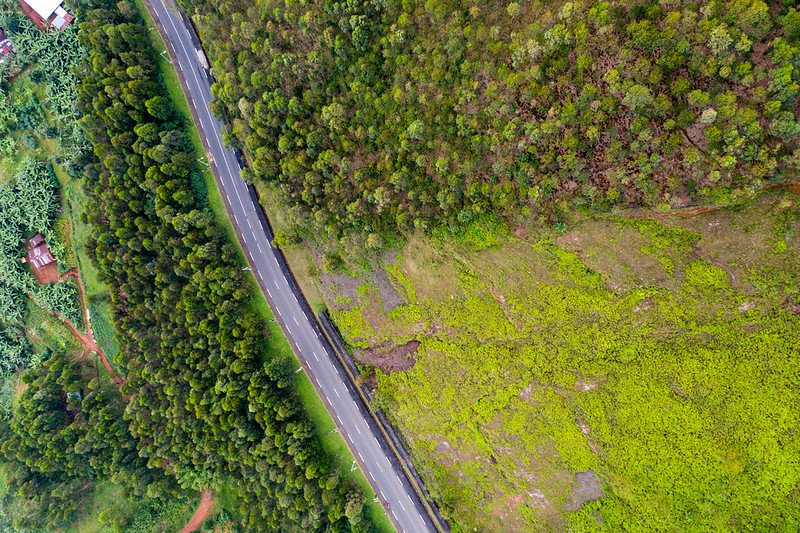
An early session on the Umushwati trail before we move, then south down the lake road to Nyungwe, three to four hours, arriving in the tea by early afternoon. Nyungwe is the reason serious birders come to Rwanda: close to 1,000 square kilometres of montane rainforest holding more than 300 species, of which 29 are Albertine Rift endemics, making it the easiest place in the region to work that list. We start on the Karamba trail near Gisakura, an old mining and army camp site that has grown back into secondary bush and holds a different mix from the deep forest, which makes it the ideal first afternoon. Targets across the park include the red collared mountain babbler, all but restricted to Nyungwe, along with handsome francolin, Grauer’s warbler, red faced woodland warbler, Rwenzori batis, mountain masked apalis, purple breasted sunbird, strange weaver and dusky crimsonwing. Great blue turaco and Rwenzori turaco are both regular.
Day 10
A Final Morning In Nyungwe And The Flight To Kigali
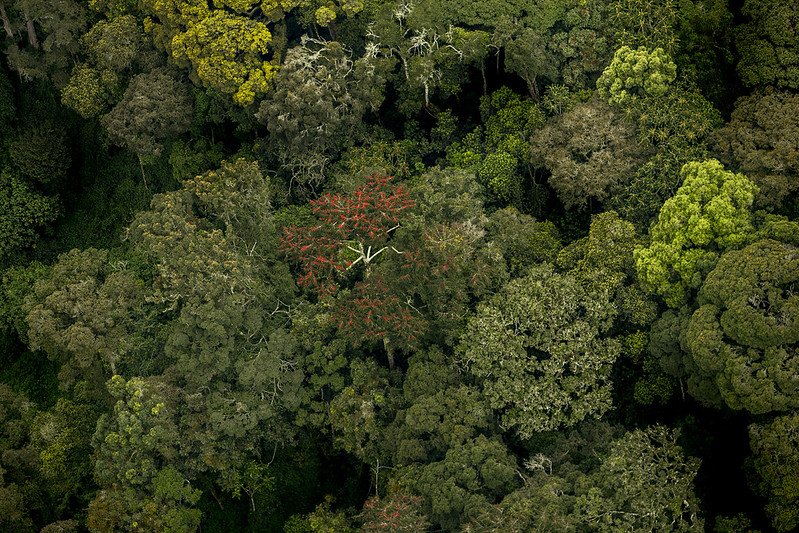
Your best chance at the remaining endemics, so we start before light. Where we go depends on what is still missing from your list. Kamiranzovu takes you down through the largest peat bog in the park for wetland and swamp species. The Uwinka trails work old growth interior, and the canopy walkway puts you level with birds you would otherwise be looking at from beneath, running about 160 metres between towers at some 60 metres above the forest floor. The Bigugu trail is the long option and the most productive for the red collared mountain babbler if that bird is still outstanding. Rwenzori colobus troops of 300 or more animals move through the same canopy and are worth stopping for. Late morning we take you to Kamembe for the forty minute flight back to Kigali, which saves you a five to six hour drive on your last day and puts you at the airport rested.
Send them the itinerary before you decide. Everything on this page prints on to a few clean pages with the photographs and the day notes intact.
Quickly customise this itinerary
What is and is not included
Included
- Gorilla trekking permit for Volcanoes National Park, one per person
- A specialist Rwandan birding guide throughout, in addition to our driver guide
- Park entry and birding permits for Akagera, Volcanoes, Gishwati Mukura and Nyungwe
- Boat on Lake Ihema, local boat at Gashora and canoe at Lake Nyagafunzo
- Nyandungu Wetland Eco Park, Buhanga Eco Park and Karamba trail fees
- Canopy walkway permit at Nyungwe
- Domestic flight from Kamembe to Kigali on the final day
- All road transfers in our 4×4 safari vehicle with a pop up roof
- Airport pickup and drop off at Kigali International Airport
- Nine nights accommodation across Kigali, Akagera, Musanze, Gishwati and Nyungwe at your chosen tier
- Meals as shown, packed breakfasts on early starts, and drinking water in the vehicle
- All government taxes and levies on the above
Not included
- International flights to and from Kigali
- Rwandan visa or East Africa Tourist Visa
- Travel insurance, including cover for optics and trekking at altitude
- Binoculars, scope and field guides, which you should bring your own of
- Porter hire on the gorilla trek, payable on the day
- Night birding sessions at Nyungwe for Albertine owlet and Rwenzori nightjar, bookable on request
- Chimpanzee trekking at Nyungwe, which can replace a birding morning on request
- Tips for our guides, rangers, trackers and lodge staff
- Drinks, laundry and personal items
- Anything not listed under What’s Included
Before you book
Why Would You Want To Do This Safari?
Because Rwanda gives a birder more return per kilometre than almost anywhere in Africa. Around 700 species and 29 Albertine Rift endemics sit inside a country smaller than Wales, with tarmac between the sites and no internal flights needed until the last day. This route works every habitat that matters: restored urban wetland, lowland papyrus at Gashora, savannah and swamp at Akagera, a high altitude Ramsar marsh at Rugezi, Virunga bamboo, regenerating ridge forest at Gishwati and finally the montane rainforest at Nyungwe where the bulk of the endemic list lives. Most operators sell Rwanda birding as Nyungwe plus Akagera and leave out Rugezi, Bugesera and Gishwati entirely, which costs you the papyrus specialists and Grauer’s swamp warbler. A specialist birding guide travels with you throughout, separate from the driver guide, because the difference over a morning between someone who knows the calls and someone who knows the mammals is very large.
Is This 10 Day Rwanda Safari Enough?
For a serious Rwandan list, close to it. Ten days gives Nyungwe two sessions, Akagera two full days, and proper time at the wetland sites that shorter trips skip, and a determined birder should finish well into the several hundreds with most of the accessible endemics. Where you might want more is Nyungwe itself. Specialist tours give that forest three or four days rather than two, because the endemics are scattered across trails at different altitudes and weather can close a morning. If your target list is long, add two days there and drop nothing else. The other worthwhile addition is night birding, which almost nobody does. Nyungwe holds the Albertine owlet, one of the least known owls in Africa, alongside red chested owlet and Rwenzori nightjar, and evening sessions need arranging in advance rather than on the day. Tell us your target species when you enquire and we will build the days around them.
How Much Will This Safari Cost?
Three things drive this one. The gorilla permit, set by the Rwanda Development Board and identical wherever booked, is the single largest line. The specialist birding guide travelling alongside our driver guide is the second, and it is the cost we would tell you least to cut, since it is what separates a good list from a mediocre one. Third is accommodation across five areas, which spans a wide range from the community guesthouse at Gishwati and simple lodges at Akagera up to high end properties in the Nyungwe tea and around Kinigi. The Kamembe flight on the final day is included and worth it. Group size matters, since vehicle and guiding costs split further between four than two, and November through April brings the migrants that lift a trip total most. Send our team your dates and target list for a firm quote.