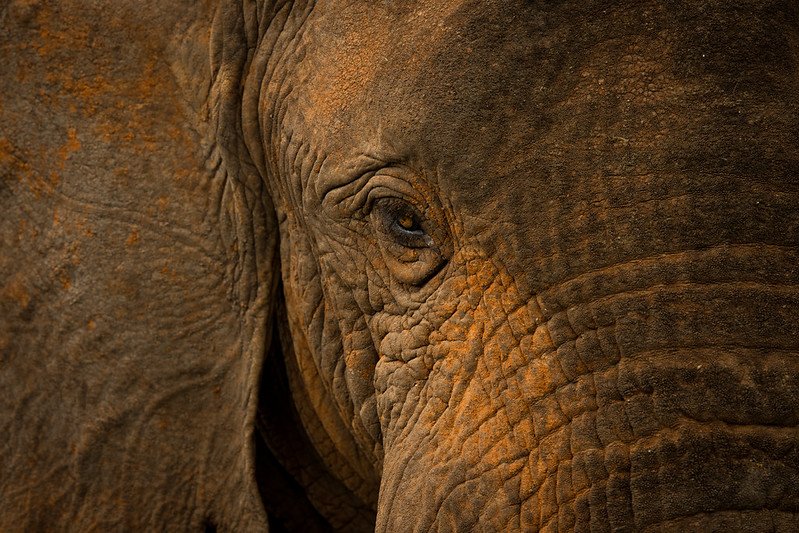
Rwanda photography safaris combine mountain gorilla portraits in Volcanoes National Park, golden monkey and chimpanzee work in bamboo and rainforest, Big Five game drives in Akagera and boat based shooting on Lake Ihema, all within a country small enough to move between habitats in a single week. Forest light is the defining challenge, flash is prohibited around primates, and the gorilla hour passes faster than almost any photographer expects.
Rwanda rewards photographers who prepare and punishes those who arrive with the wrong lens. What follows is the practical picture: what each location demands, what gear actually earns its place in the bag, and where people consistently get it wrong.
Rwanda safaris to build photography into
Gorilla Photography in Volcanoes National Park
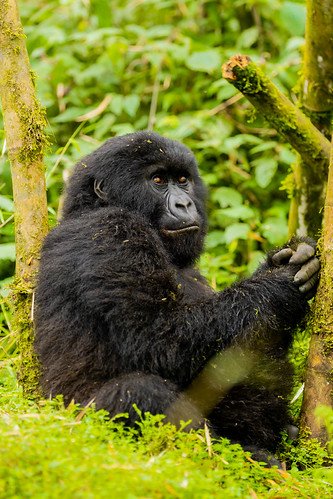
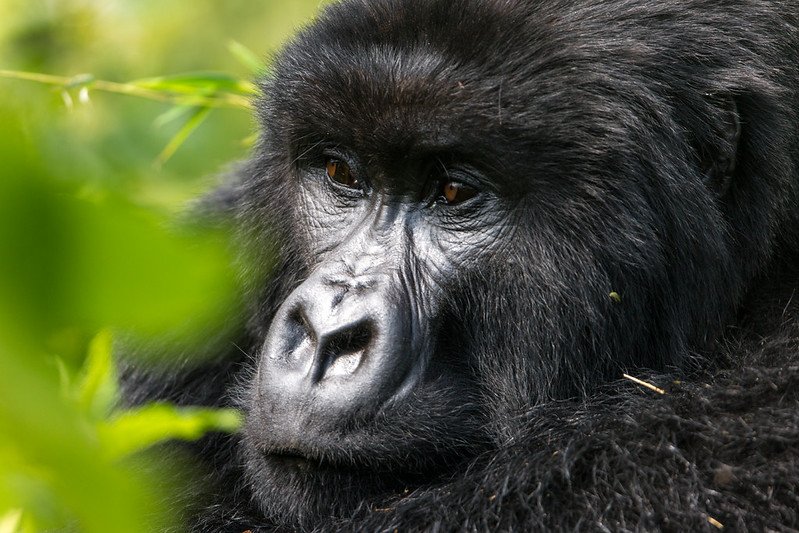
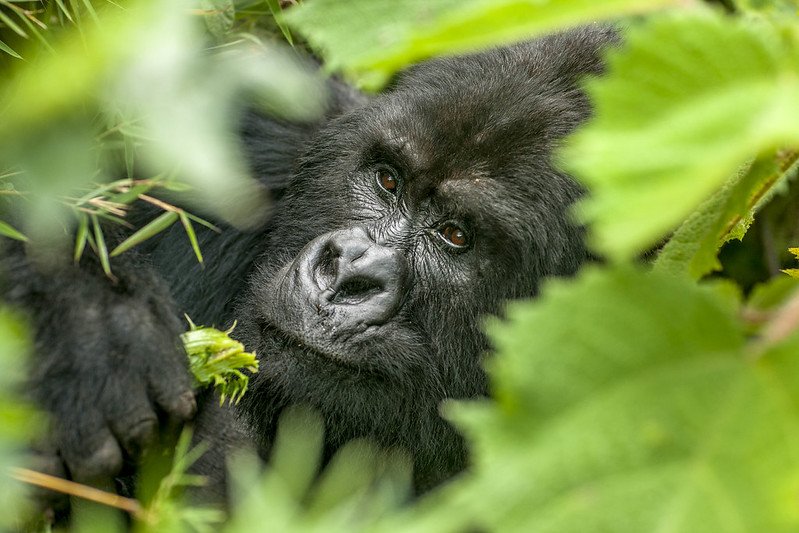
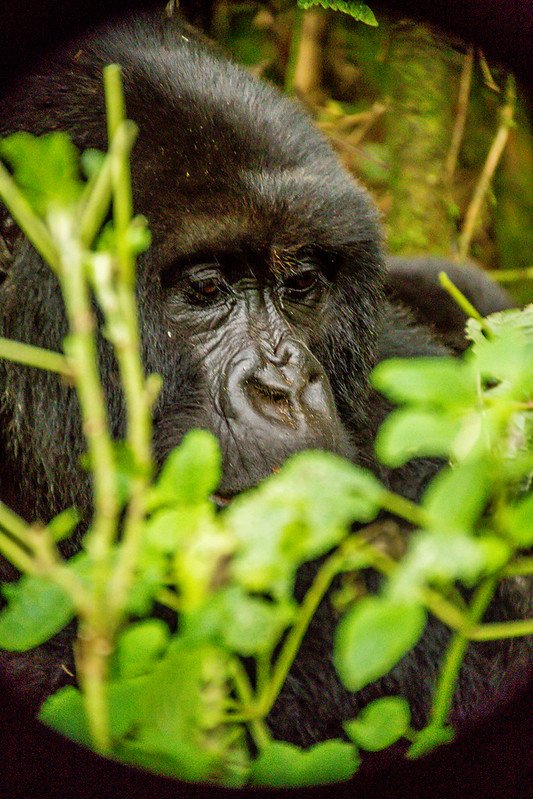
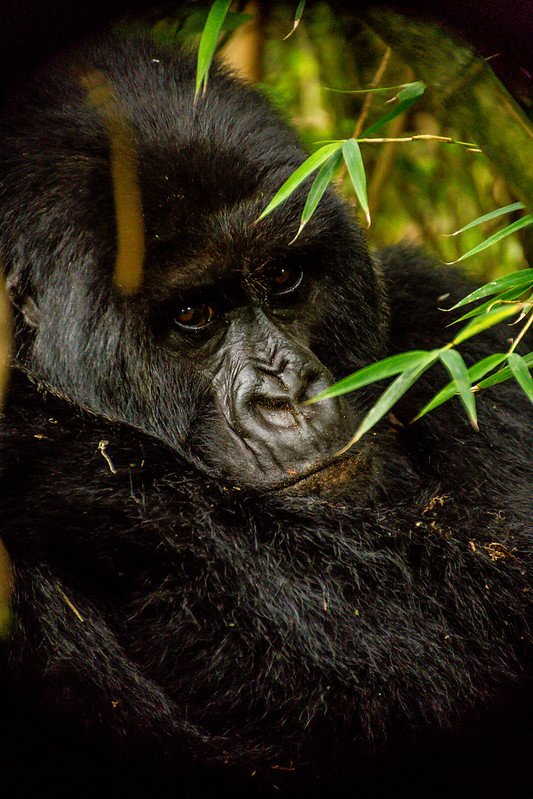
Gorilla photography is why most photographers come, and the conditions are harder than the published images suggest. Cloud sits over the Virungas through much of the morning, the canopy cuts what light gets through, and you are often shooting in something closer to dusk than daylight even at ten in the morning.
Rwanda’s minimum distance is seven metres, which sets your framing. A zoom in the 70 to 200mm range is the standard recommendation and it is the right one, giving portrait framing without needing to close the gap. A fast prime around 85mm or 135mm is a strong second body option. Leave the 400mm and 600mm at the lodge; swinging a long lens through dense vegetation at close range is unpleasant and you will miss frames while you fight it.
Settings that work: raise your sensitivity well past where you feel comfortable, because a sharp noisy frame beats a clean blurred one. Somewhere between 1600 and 6400 is normal here depending on cloud, and modern sensors handle it. Keep your shutter speed up, since gorillas move far more than the still images suggest, particularly juveniles. Shoot raw and deal with noise afterwards.
Flash is prohibited outright. Turn it off before you leave the vehicle and silence your camera and phone at the same time. A silent or electronic shutter is worth setting up in advance.
Do not spend all sixty minutes behind the viewfinder. Photographers who shoot the entire hour describe the experience quite differently afterwards from those who put the camera down for ten minutes and simply watched. Get your frames in the first half and give yourself the second.
Golden Monkey Photography in the Bamboo
Golden monkeys are the hardest subject in Rwanda and it is worth knowing that before you feel like you have failed. The problems are structural rather than a matter of skill.
Bamboo forest is dim. The animals move constantly through cluttered vertical stems, and autofocus systems latch onto the bamboo in front rather than the monkey behind it. Add the exposure range, with bright gold fur against black limbs and dark forest, and you have a genuinely difficult scenario.
What helps: continuous autofocus with a small deliberately placed focus point, a fast shutter speed, and a willingness to switch to manual focus when the stems keep winning. Burst sequences are the honest method here. A handful of keepers from a hundred frames is a normal outcome, not a failure.
Frame wider than instinct suggests. A golden monkey mid leap between bamboo stems, with the bamboo doing the work of the composition, is a better image than a tight portrait you never quite nailed focus on.
Chimpanzee and Rainforest Photography in Nyungwe
Chimpanzee photography in Nyungwe is harder than gorilla photography, and the reason is position rather than light. Chimps move fast and spend much of the time high in the canopy, so you are shooting upward through branches into bright sky, which is the worst exposure situation in the forest.
Expect to work at extreme angles. A 100 to 400mm zoom earns its place here in a way it does not with gorillas, letting you reach up into the canopy. Meter for the animal rather than the sky and accept blown highlights behind them. Continuous autofocus and high shutter speeds are needed, since a chimp crossing a branch overhead gives you perhaps two seconds.
The wider rainforest is the other half of the opportunity and the part most photographers overlook. Giant tree ferns, hanging vines, mist through the canopy at Uwinka, the suspended walkway at 60 metres, and Rwenzori colobus troops several hundred strong pouring through the treetops. Colobus are easier subjects than chimps and far more reliably found, so build a colobus session in rather than pinning everything on one chimp morning.
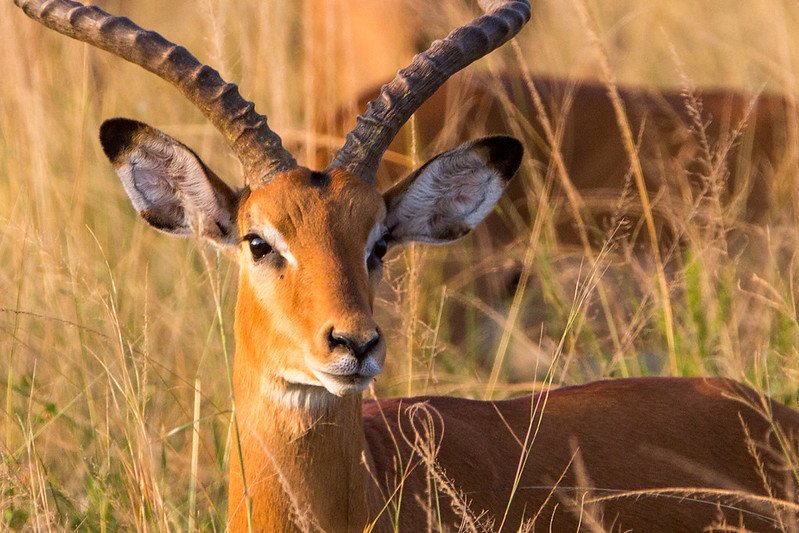
Wildlife Photography on Akagera Game Drives
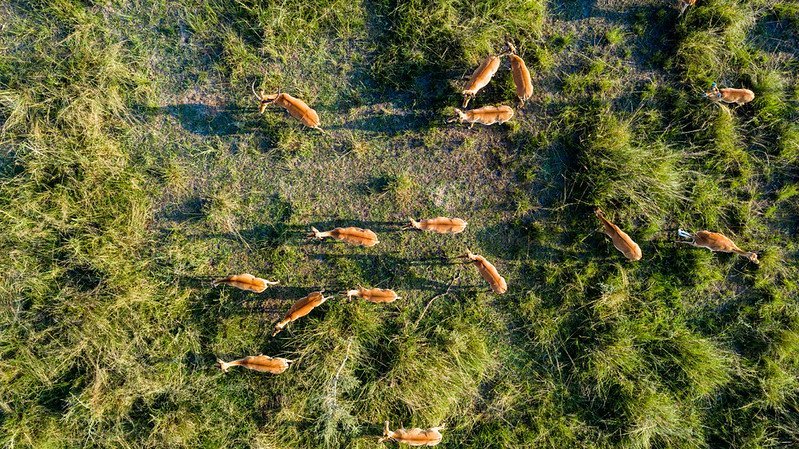
Akagera is where Rwanda gives you conventional safari photography, and after the forests it feels almost easy. Open plains, decent light, and a vehicle you can shoot from with a beanbag on the window frame.
Here the long lens finally earns its space. A 400mm gets you lion, rhino and elephant at working distance, and 600mm helps for birds and for leopard on the rare occasions one appears. A shorter zoom on a second body covers herds, scenery and the moment when something walks past the vehicle too close for the telephoto.
Timing decides everything. Gates open at six and the first two hours are the best light of the day, low and warm across the plains, with animals still active before the heat pushes them into shade. Late afternoon repeats it in reverse. The middle of the day is for driving and for lunch, not for shooting.
The northern plains at Kilala and Mohana give the open ground and clean backgrounds that make wildlife images work, along with the best lion odds. The southern lake circuit offers denser vegetation and busier frames. If your priority is photographs rather than a species list, go north and stay north.
Boat Based Photography on Lake Ihema
The boat safari on Lake Ihema is the most productive photographic hour in Akagera and the most underused. Being at water level changes the geometry of everything: hippos at eye height rather than looking down at them, crocodiles along the bank, fish eagles at the papyrus edge, and elephant and buffalo coming down to drink in the late afternoon.
Take the sunset departure. The light across the water in the last hour is the best in the park, and it is when the big mammals come to the shoreline.
Practical points that matter on a boat: shutter speed higher than you think, because the boat moves even when it appears still; image stabilisation on; and a lens hood against spray. Charter a private boat if you can rather than joining a scheduled departure, since it lets you control position relative to the sun and stay with a subject rather than moving on with the group. Photographers consistently rate this the best money they spend in Akagera.
The seven metre rule sets your framing before you ever choose a lens. Anyone who arrives in the Virungas with a 600mm has brought the wrong bag.
Bird Photography Across Rwanda’s Parks
With around 700 recorded species including 29 Albertine Rift endemics, Rwanda gives bird photographers plenty to work with, though the forest species test patience severely.
Akagera is the easier ground. Papyrus gonolek, grey crowned crane, saddle billed stork, malachite kingfisher, African jacana and, with luck and a boat, the shoebill. Open habitat and boat access make clean images achievable.
Nyungwe is where the prize species live and where they are hardest to photograph. Rwenzori turaco, great blue turaco, red collared babbler and a run of sunbirds, mostly in dense canopy at awkward angles. A long lens with good close focus and a lot of sitting still is the method. The canopy walkway helps by putting you level with birds you would otherwise shoot from beneath.
Volcanoes adds high altitude species around the bamboo and swamp, and the wetland sites at Rugezi and around Kigali give accessible waterbird work on days when you are not in a park.
Scenery and Terrain Photography in the Land of a Thousand Hills
Rwanda’s scenery is a strong subject in its own right and it is what fills the gaps between wildlife sessions.
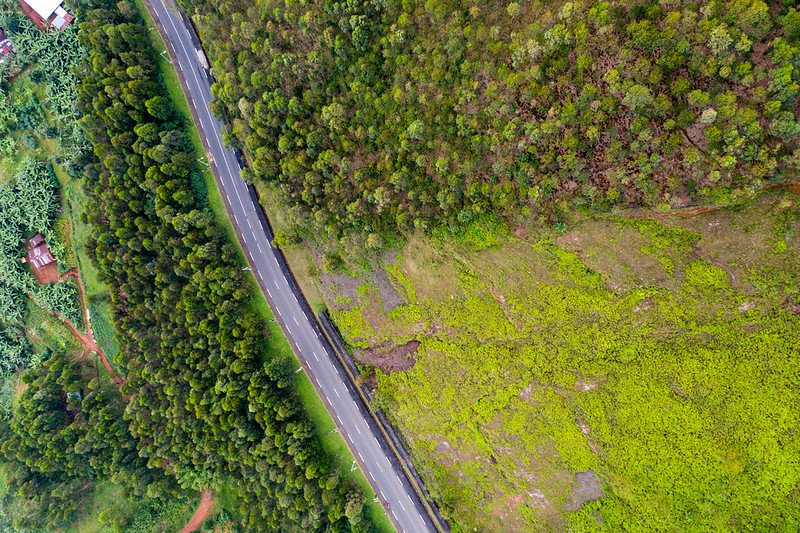
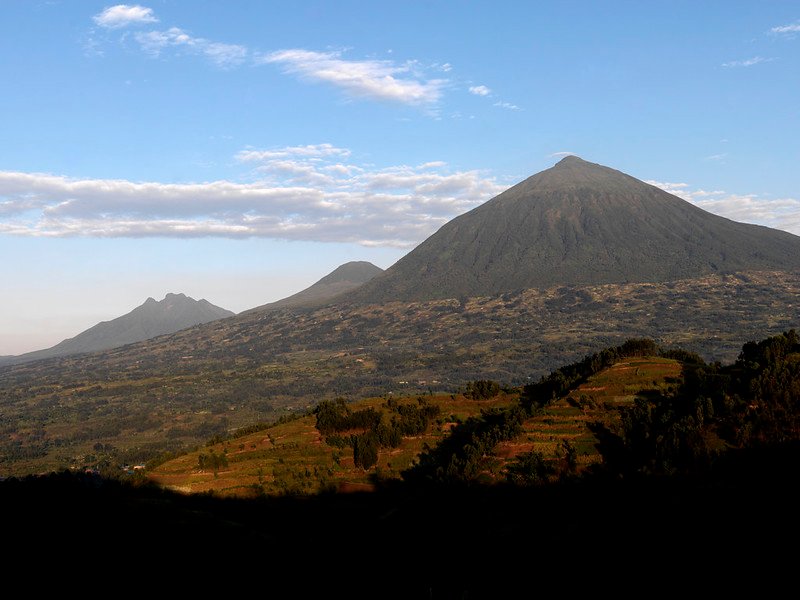
The Virunga volcanoes rising behind terraced farmland near Musanze are the signature view, best in the first hour after sunrise before cloud builds on the peaks. Tea plantations at Gisakura and Gisovu give geometric contour patterns that work beautifully in low side light, with pickers moving through them on working days. Lake Kivu delivers long lake sunsets, island silhouettes and fishermen paddling three hulled boats at dawn and dusk.
The twin lakes at Burera and Ruhondo east of Musanze combine water and volcanoes in one frame, and the crater lake at the summit of Bisoke rewards anyone willing to make the climb, weather permitting. Terraced hillsides anywhere in the country photograph well in raking light.
A wide zoom in the 16 to 35mm range and a mid range 24 to 70mm cover almost all of this. A polariser helps considerably with the haze that builds through the day.
Cultural and Portrait Photography: Consent and Etiquette
This is the part where photographers most often go wrong, and the rule is simple: ask first, every time.
Rwandans are usually willing to be photographed when asked and much less willing when a lens is pointed at them from a moving vehicle. A guide who can make the request in Kinyarwanda changes the interaction completely. Offer to show people the frame afterwards, which costs nothing and matters.
Photography is restricted in parts of the Kigali Genocide Memorial and at other memorial sites, and the staff will tell you where. Respect that without needing to be told twice. Government buildings, military installations and airports should not be photographed.
Cultural villages, craft cooperatives, markets and coffee washing stations all offer good portrait and process work, and in those settings people are usually expecting cameras. Kimironko market in Kigali and the tea estates near Nyungwe are particularly rewarding, though in a market you should still ask stallholders rather than shooting from the aisle.
Camera Gear and Drone Rules for a Rwanda Photography Safari
Packing for Rwanda means packing for two entirely different environments in the same bag.
Bodies and lenses. A body with strong low light performance is the single most useful item. Bring a 70 to 200mm for primates, a 100 to 400mm for chimps and general wildlife, a 400mm or longer only if Akagera is a major part of the trip, and a wide zoom for scenery. Two bodies saves changing lenses in wet forest.
Protection. Dry bags, rain covers, and more lens cloths than you think. Mist beads on the front element within minutes in Nyungwe and the Virungas. Silica gel packs in the camera bag are worth carrying.
Power and storage. Spare batteries, since cold at altitude drains them faster, and more cards than planned. Lodge power can be intermittent outside the towns. A beanbag for vehicle work in Akagera beats a tripod.
Porters. Hire one on every trek. They carry the bag up the steep sections, which means you arrive at the gorillas with steady hands rather than shaking ones, and the work supports households on the park boundary.
On drones, the position is strict and worth knowing before you pack one. Drone use in Rwanda is regulated and requires authorisation from the Rwanda Civil Aviation Authority, arranged in advance. Flying inside national parks is not something to attempt on the assumption that nobody will notice. Confirm the current requirements with your operator well before travel.
Best Time and Light for Photography in Rwanda
Rwanda’s light changes more by hour than by season, though season still shapes what is possible.
June to September, long dry season. Firmest trails, clearest volcano views and the best conditions in Akagera as short grass improves sightlines. Also the busiest, and midday light can be harsh on the plains.
Mid December to February, short dry season. Similar conditions with fewer people. February brings gorilla infants after the calving period, which is a strong reason to choose it for primate work.
March to May, long rains. Hard walking, but the best atmosphere. Mist through the forest, saturated greens, dramatic skies over the volcanoes and full waterfalls in Nyungwe. Chimps also feed lower. Bring serious rain protection.
October and November, short rains. Often the sweet spot. Cleaner air, softer light, green country, quiet parks and manageable trail conditions. Migrant birds arrive from November.
Whatever the month, overcast forest days are your friend rather than your enemy. Flat cloud removes the harsh dappled contrast that ruins primate frames in bright sun, and some of the best gorilla images are made in weather that feels disappointing at the time.
Planning a Rwanda Photography Safari
The single most useful decision is to book two gorilla permits rather than one. The first trek teaches you the light, the distances and how fast the hour goes. The second is where you actually get your images. Photographers who do this rarely regret it.
Beyond that, build in time. A ten day trip covering Volcanoes, Lake Kivu, Nyungwe and Akagera gives every habitat a fair shot without racing. Seven days means dropping either Nyungwe or Akagera rather than compressing both. Private vehicles matter more here than for general travellers, because you need to stop when the light is right rather than when the group is ready.
Photography guides who know the gorilla families and how they behave are available and are a different thing from the mandatory park ranger. On a trip built around images, that knowledge is worth more than another lens.
Photography trips live or die on logistics: which family you are allocated, whether your vehicle can wait for the light, and whether the boat is private. Intare Safaris is based in Rwanda, works these parks constantly, and understands why a photographer wants a second permit and a sunset departure rather than a tidy schedule.
Send Intare Safaris your shot list and your dates, along with what you shoot with, and they will build the days around the light instead of around the standard tourist timetable.