Rwanda cultural experiences range from the Kigali Genocide Memorial and the King’s Palace Museum at Nyanza to community village visits near Volcanoes National Park, Intore dance performances, imigongo art workshops, agaseke basket weaving and neighbourhood walking tours in Kigali. Rwanda has been a unified state since precolonial times, and its people share one language, Kinyarwanda, and one cultural heritage, which gives the country an unusual coherence for a visitor to read.
Most safari itineraries treat culture as a filler afternoon between treks. That is a mistake here, because Rwanda’s cultural sites are among the most substantial in the region and several of them will change how you see everything else on the trip.
Safaris built around culture and history
The Kigali Genocide Memorial and Rwanda’s Memory Sites
The Kigali Genocide Memorial at Gisozi is the resting place of more than 250,000 victims of the 1994 genocide against the Tutsi. It was inaugurated in 2004, and it functions as both a burial ground and a place of education, with exhibitions covering how the genocide took shape and a section examining genocide elsewhere in the twentieth century.
The wall of names remains a work in progress. So does the country’s own reckoning, and the memorial says so rather than presenting a closed story.
Allow three hours and expect the visit to sit with you for the rest of the day. Audio guides are available and worth taking. Photography is restricted in parts of the site and the staff will tell you where. The exhibition is careful rather than graphic, and it is designed for people who arrive knowing very little.
Other memorials exist across the country, including the churches at Nyamata and Ntarama south of the capital and the site at Murambi in the south. These are considerably more direct in what they display, and visitors should think honestly about whether that is what they want before going. Nobody needs to visit all of them. Most travellers find the Kigali memorial gives them what they came for.
Schedule the memorial for a morning rather than squeezing it in before a flight or after a long drive. Give yourself the afternoon free afterwards. Guides who work these sites daily will also tell you that questions are welcome, and that Rwandans tend to speak about this history openly rather than avoiding it.
Cultural Village Tours Near Volcanoes National Park
The Gorilla Guardians village near Kinigi, long known as Iby’Iwacu, is the most visited cultural site in the country, largely because it sits minutes from where gorilla trekkers are already staying. It was founded by a former warden of Volcanoes National Park who wanted paid work for people who had been poaching inside it.
A visit covers Intore dance and drumming, traditional medicine and the role of the healer, archery, banana beer brewing, grinding sorghum, and the layout of a traditional homestead. Visitors can dress as a king or queen and sit in a thatched replica of a royal court, which is either good fun or slightly awkward depending on your temperament.
What lifts it above novelty is the conservation link. The people running it will tell you directly what poaching paid, why they stopped, and what tourism replaced it with. That conversation is the real content of the visit, and it lands harder the day after you have spent an hour with a gorilla family.
Several smaller community projects operate around Musanze on similar lines, often through lodges, and some are quieter and less performed than the main village.
The King’s Palace Museum at Nyanza and the Inyambo Cattle
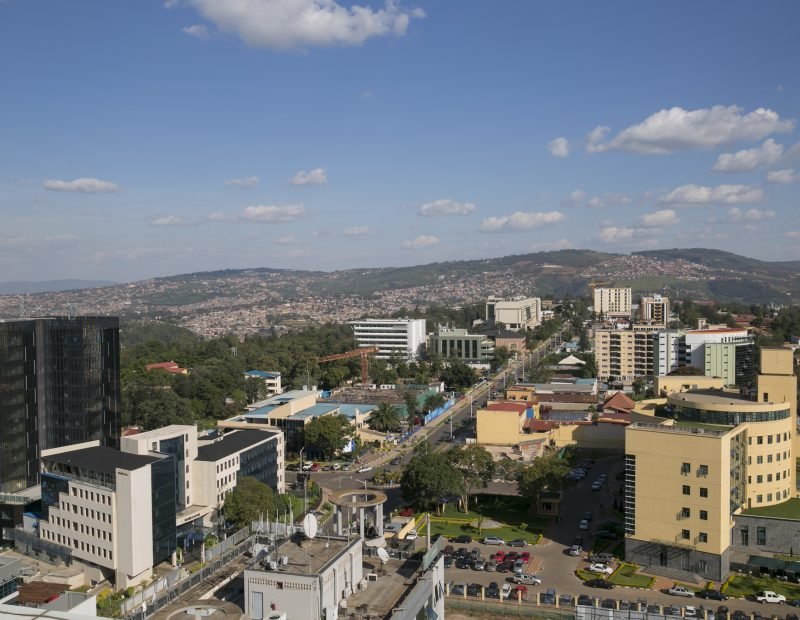
Nyanza was the seat of the Rwandan monarchy, and the King’s Palace Museum there holds a reconstructed royal residence built in traditional style, a tall domed structure of woven wood and thatch, alongside the more modern colonial era palace of King Mutara III Rudahigwa nearby.
The reason to come is the inyambo. These are the sacred long horned cattle of the royal court, animals with horns curving well over a metre, kept and paraded as they were for the kings. Herders sing to them, and the cattle respond to the singing, which sounds like folklore until you watch it happen.
Guides explain the structure of the old court, the role of cattle in Rwandan society and the ubuhake system of patronage that ordered it. The site sits on the road between Kigali and Nyungwe, which makes it a natural stop rather than a detour.
Huye Ethnographic Museum and Rwanda’s Museum Circuit
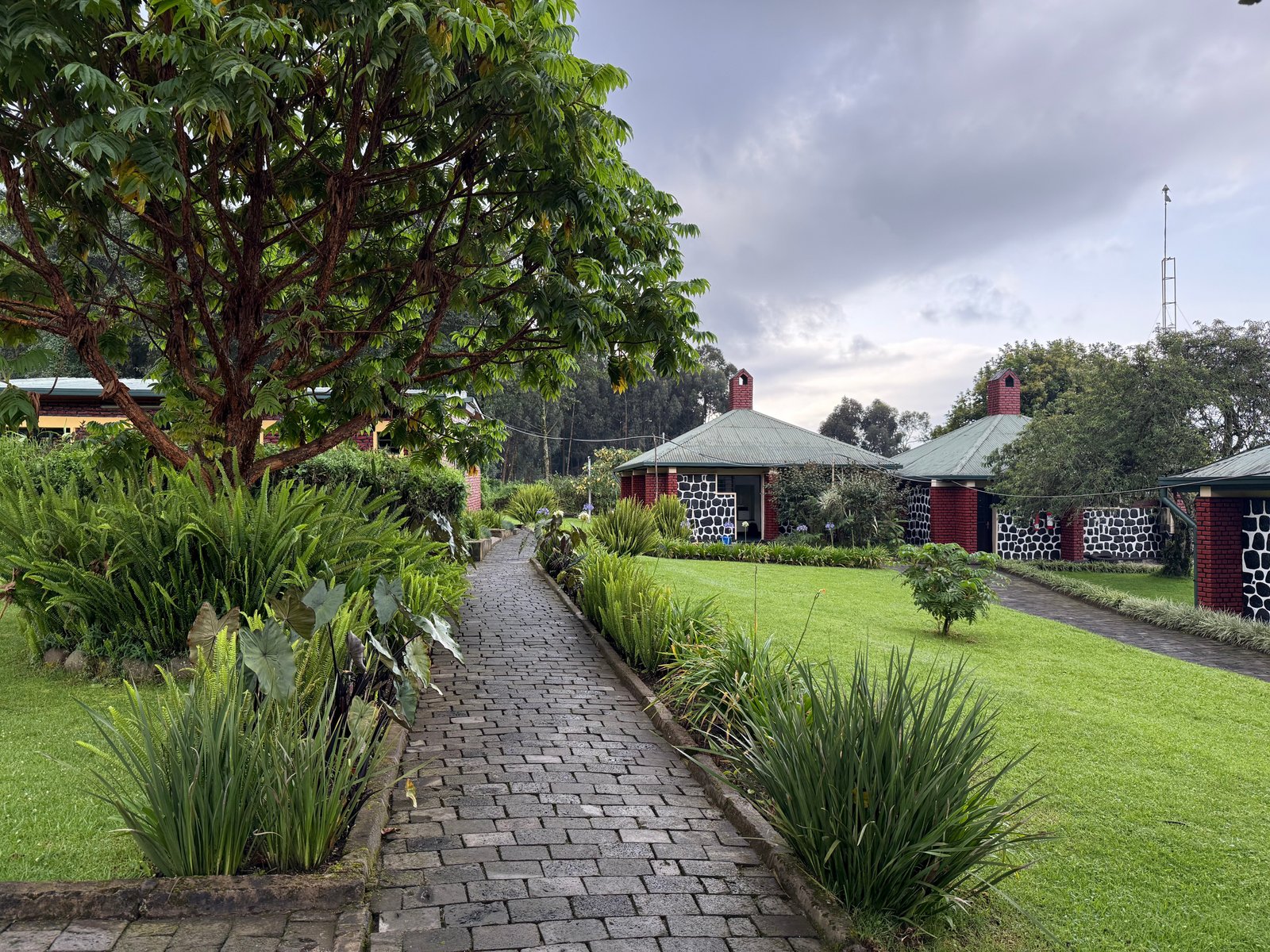
The Ethnographic Museum in Huye, formerly Butare, was a gift from the Belgian government marking 25 years of Rwandan independence in 1987, and it holds one of the better ethnographic collections on the continent across seven galleries.
The displays cover traditional farming and hunting tools, pottery, weaving, ironwork, housing, clothing, musical instruments and oral poetry. It is a proper museum rather than a tourist stop, and anyone interested in how Rwandan society worked before the twentieth century should give it a full morning.
In Kigali, the Kandt House Museum covers the colonial period through the residence of Richard Kandt, the first German colonial administrator, and includes natural history sections. The Rwanda Art Museum in the former presidential palace holds contemporary work, and the grounds contain the wreckage of the aircraft shot down in April 1994. Together these make a coherent circuit if you have the days.
Intore Dance and the Drums of Rwanda
Intore is Rwanda’s best known traditional dance and it has three parts. The ballet, performed by women, moves in slow controlled sweeps. The dance of heroes, performed by men wearing long grass headdresses and carrying spears, is fast and percussive and was once performed for the royal court. And the drums, which underpin both.
Royal drummers held high status at court, and they still play in groups of seven or nine, each drum tuned differently so the pattern builds in layers. Watching a drum troupe at close range is physically startling in a way that recordings never convey.
Performances happen at cultural villages, at Kitabi, at some lodges and hotels, and at national events. The National Ballet of Rwanda, Urukerereza, performs the material at the highest level. If a lodge offers an evening performance, take it, and sit near the drums rather than at the back.
On the last Saturday of every month the shops close, the buses stop and the roads empty while the country works on its own neighbourhoods. Visitors who happen to be here that morning find a Rwanda that no cultural village can stage.
Imigongo Art, Agaseke Baskets and Rwandan Craft
Two crafts define Rwandan visual culture and both are worth seeking out at source rather than in an airport shop.
Imigongo. Geometric relief paintings made from cow dung mixed with ash and natural earth pigments, worked into raised ridges and finished in black, white, red and brown. The tradition comes from the old Gisaka kingdom in the southeast and is still produced by a cooperative at Nyakarambi near the Tanzanian border, which visitors can call in on.
Agaseke. Tightly coiled baskets woven from sweetgrass and sisal with distinctive conical lids. Historically used for grain storage, they now carry a meaning of peace and reconciliation and are given at weddings. Women’s cooperatives across the country make them, and many will teach visitors to weave.
Where to buy. Caplaki Craft Village in Kigali gathers many producers in one place. Kimironko Market is busier, cheaper and more fun, and hiring someone at the entrance to walk you round is money well spent. Cooperative shops attached to community projects put the most money back into the makers.
Contemporary art. Inema Arts Centre in Kigali is the best known gallery in the region, founded by two brothers, with resident artists working on site and regular evening events. Niyo Art Gallery and Ivuka Arts are also worth an hour.
Nyamirambo Walking Tours and Kigali Neighbourhood Life
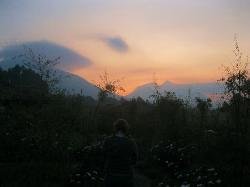
Nyamirambo is Kigali’s oldest and liveliest quarter, with a strong Muslim community, mosques, tailors, salons and bars that keep unusual hours. The walking tours run by the Nyamirambo Women’s Centre are the best half day in the capital.
A local guide takes small groups through the streets, into hair salons and tailoring workshops, past the mosque and into a family home, and the tour usually finishes with a meal you help cook. The centre itself trains women in sewing and craft work and sells what they make, so the money stays in the neighbourhood.
This is not a staged experience, which is exactly why it works. You will be walking on ordinary streets past people going about ordinary business, and the guide’s job is to explain rather than to perform. Book ahead, since group sizes are deliberately small.
Kitabi Cultural Centre Near Nyungwe Forest
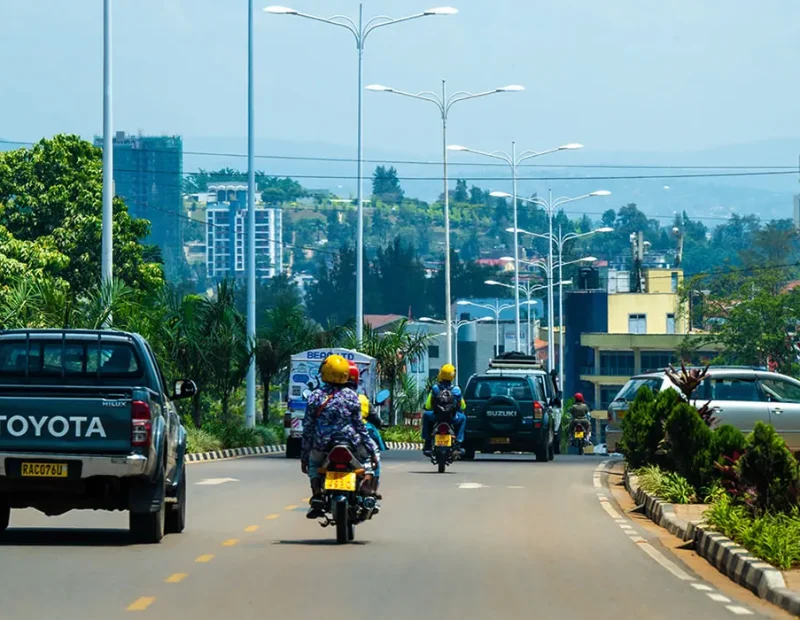
At the eastern entrance to Nyungwe Forest National Park, the Kitabi Cultural Centre is built on ground that held one of the residences of Rwanda’s last king. It is modelled on the royal court, with traditional huts and guards in court dress.
Visitors meet women’s cooperatives making baskets, mats and beadwork, and can sit down and learn the weaving rather than only watching it. There are usually dance and music performances, and the setting, high on the ridge with tea plantations falling away below, is one of the better views in southern Rwanda.
It works well as a stop on the drive into Nyungwe, which breaks a long road day, or as an afternoon after a chimpanzee trek when you are too tired to walk anywhere else.
Umuganda and Kwita Izina: Living Traditions You Can Witness
Two national traditions run on fixed dates and both are worth planning around.
Umuganda takes place on the last Saturday of every month. The word translates roughly as coming together in common purpose, and on that morning shops close, buses stop running and traffic disappears while Rwandans of every background do community work: cleaning, tree planting, building houses for vulnerable neighbours, repairing roads. It runs until around midday. Travellers should know that movement is restricted during those hours, and that visitors are often welcome to join in if they ask.
Kwita Izina is the annual gorilla naming ceremony, held near Musanze in September, when infant gorillas born that year are given names in a public event drawing thousands of people. It borrows its form from the Rwandan tradition of naming a newborn child in front of the community. If your dates fall near it, build the trip around it.
Other fixed points include Liberation Day in July and the Kwibuka commemoration period beginning in April, which is a quiet and sombre time across the country.
Rwandan Food and Coffee Culture
Rwandan cooking is agricultural, communal and less spiced than East African food further east. Isombe is cassava leaves pounded and cooked slowly, often with groundnut. Ibirayi are potatoes, which the volcanic north grows in quantity. Brochettes, skewered goat or beef grilled over charcoal, are the national street food and the thing most visitors end up ordering repeatedly. Ugali, beans, plantain, tilapia from the lakes and sambaza, tiny fried fish from Kivu, fill out the table.
Coffee is where Rwanda has built an international reputation, and a plantation or washing station visit is one of the better cultural half days available. Kinunu on the Kivu shore and Huye Mountain in the south both run visits covering picking, hand sorting, fermentation and drying, finishing with a tasting. Several women led cooperatives near Kigali do the same.
Tea is the other crop, grown at altitude around Nyungwe at Gisakura and Gisovu, where estate and factory tours run through the working week.
Best Time for Cultural Experiences in Rwanda
Cultural sites are open year round and weather matters far less here than for trekking, which makes these activities useful filler on wet days.
September. Kwita Izina near Musanze brings the gorilla naming ceremony and a run of associated events. The single best month if you want a large public celebration.
June to September and mid December to February. The dry seasons. Easiest travel between sites, best for outdoor performances and community visits, and the busiest months at the main museums.
March to May and October to November. The wetter months, and quietly the best time for museums and indoor cultural sites. When rain shuts down an afternoon of walking, this is where the day goes.
April. Kwibuka, the annual commemoration period, begins on 7 April and runs for a week of national mourning with a longer period following. Travel is straightforward but the mood is subdued and some events are cancelled. Visit with awareness rather than avoiding the country.
Planning a Rwanda Cultural Tour
Because the country is small, cultural sites slot around wildlife activities rather than needing separate days. Kigali holds the memorial, the museums, the galleries and Nyamirambo. The Musanze area adds the cultural villages next to the gorillas. The southern road towards Nyungwe passes Nyanza and Huye. Kitabi sits at the Nyungwe gate, and Nyakarambi lies out east on the way to Akagera.
A useful shape gives Kigali two days at the start or end, then picks up one cultural stop per leg elsewhere. Anyone whose main interest is culture rather than wildlife can fill eight to ten days here without repeating themselves, which very few people realise.
A few practical notes. Dress modestly at memorials and in villages. Ask before photographing people, always. Plastic bags are banned countrywide. And the last Saturday morning of the month belongs to Umuganda, so plan around it.
Getting cultural visits right depends almost entirely on the guide and on which projects genuinely return money to the communities they represent. Intare Safaris is Rwandan, works with community run sites across the country, and can steer you towards the visits that are real rather than the ones staged purely for arrivals.
Tell Intare Safaris what interests you, whether that is history, craft, music or simply meeting people, and they will build the cultural side of your trip around it rather than tacking on a dance show at the end.