Akagera National Park is Rwanda’s only savannah park and its one Big Five safari destination, covering 1,122 square kilometres along the Tanzanian border about two hours east of Kigali. Visitors come for game drives after lion, elephant, buffalo, rhino and leopard, boat safaris on Lake Ihema, night drives and birding. Established in 1934 and co-managed since 2010 by African Parks and the Rwanda Development Board, it holds the largest protected wetland in central Africa.
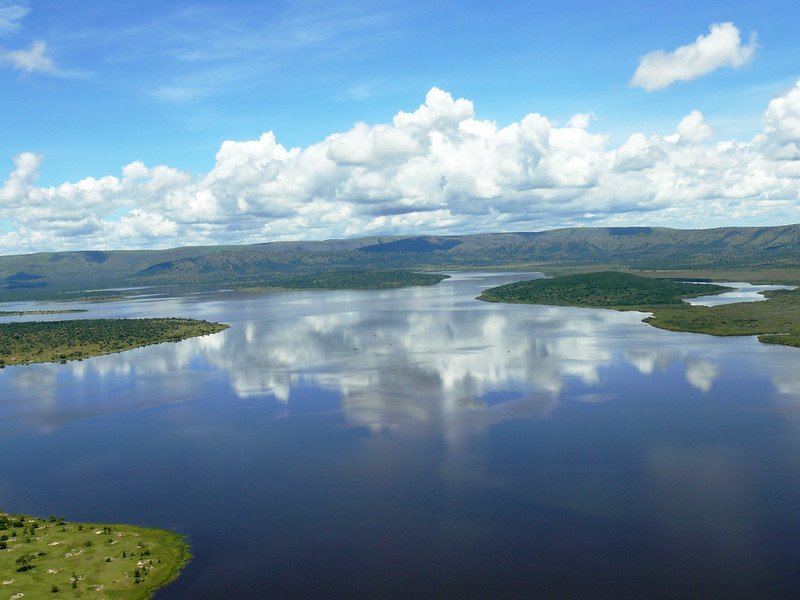
It also confounds expectations. Travellers arrive in Rwanda braced for forest, altitude and rain, then find themselves on warm open plains with acacia scattered across rolling hills and a chain of lakes running down the eastern edge. Roughly a third of the park is water. That single fact shapes everything about how a safari here feels.
Big Five Game Drive Safaris in Akagera National Park
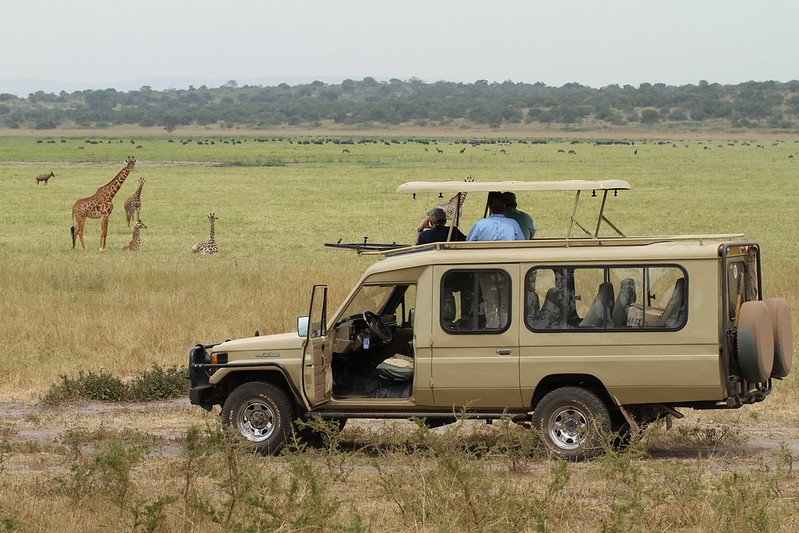
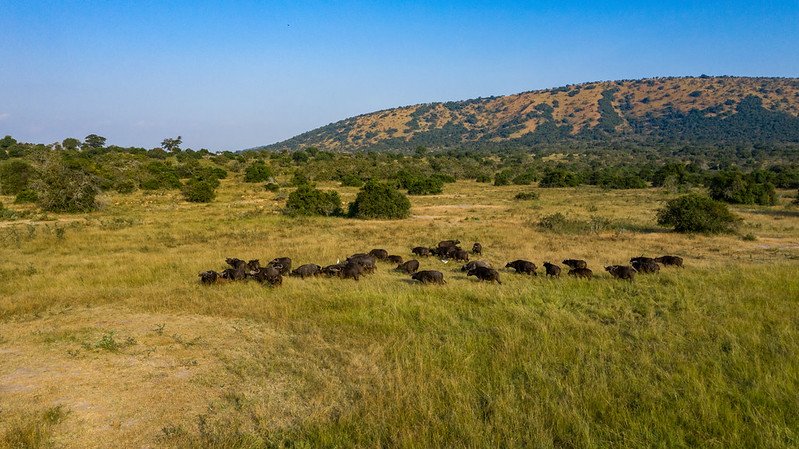
The game drive safari is the core of any Akagera trip, and the park splits neatly into two moods. The south around the lakes is thicker, greener and busier with hippo, waterbuck, impala and bushbuck. The north opens into the Mutumba hills and broad plains, and this is where lion, elephant herds, buffalo and rhino are most often found.
Morning drives usually run from around half past six until late morning, when the heat pushes animals into shade. Afternoon drives pick up from around midday to five. If you have only one full day, the honest recommendation is to commit to the north and accept the driving time rather than lingering in the south where the lodges are.
All of the Big Five live here. Lion have bred steadily since being brought back and are seen regularly on the northern plains, elephant herds move between the woodland and the water, and buffalo are common. Rhino are under close ranger protection and sightings depend on where the monitoring teams have them that week. Leopard is the difficult one, largely nocturnal, seen by a small fraction of visitors, and any guide worth hiring will tell you that plainly before you set off rather than after.
Beyond the headline species, Akagera carries good numbers of Masai giraffe, zebra, topi, eland, roan antelope, defassa waterbuck, oribi, warthog and spotted hyena. Wildlife numbers across the park have climbed past twelve thousand animals, and the difference between a drive here now and a drive here fifteen years ago is hard to overstate.
Roads inside the park are dirt and become slick in the wet months, so a four wheel drive is the sensible vehicle from March to May and again in October and November. Self drive access is through the southern gate only, and the park opens at six in the morning and closes at six in the evening.
Safari packages visiting Akagera National Park
5 Day Rwanda Gorillas And Akagera Big Five Safari
Five days combining Big Five game drives and a Lake Ihema boat safari in Akagera with mountain gorilla trekking and golden monkeys…
Rwanda · Akagera National Park, Volcanoes National Park & Kigali
View itinerary 5 Day Rwanda Gorillas And Akagera Big Five Safari7 Day Rwanda Primates And Big Five Safari
Seven days across three Rwandan national parks: chimpanzees in Nyungwe, mountain gorillas at Volcanoes and Big Five game drives with a Lake…
Rwanda · Nyungwe Forest, Lake Kivu, Volcanoes National Park, Akagera & Kigali
View itinerary 7 Day Rwanda Primates And Big Five Safari
8 Day Four Parks Of Rwanda Safari
Eight days covering all four Rwandan national parks: Akagera Big Five, gorillas at Volcanoes, restored forest at Gishwati Mukura and chimpanzees in…
Rwanda · Akagera, Volcanoes, Gishwati Mukura & Nyungwe National Parks
View itinerary 8 Day Four Parks Of Rwanda Safari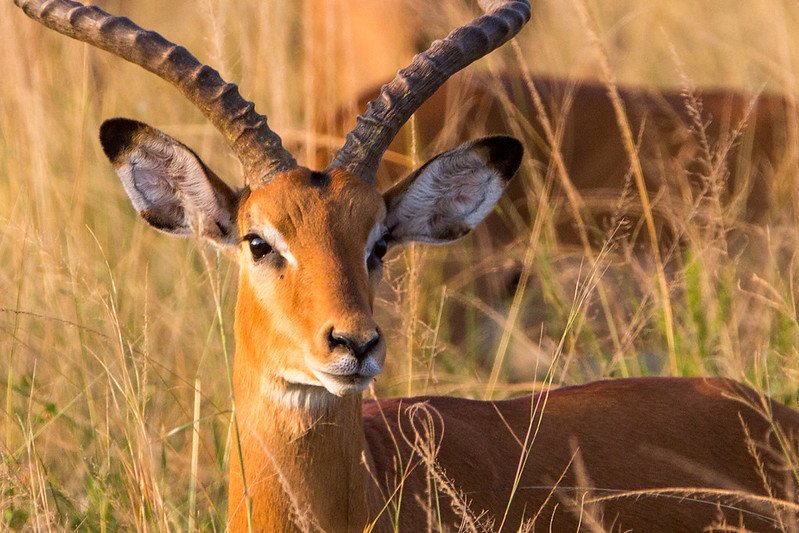
9 Day Rwanda Photography Safari
Nine days built around the light: two gorilla permits at Volcanoes, golden monkeys, Lake Kivu fishermen at dawn and a private sunset…
Rwanda · Kigali, Volcanoes National Park, Musanze, Lake Kivu & Akagera
View itinerary 9 Day Rwanda Photography Safari10 Day Best Of Rwanda Safari
Ten days across Rwanda at a sensible pace: Kigali, Big Five in Akagera, gorillas and golden monkeys at Volcanoes, Lake Kivu and…
Rwanda · Kigali, Akagera, Volcanoes National Park, Lake Kivu & Nyungwe Forest
View itinerary 10 Day Best Of Rwanda Safari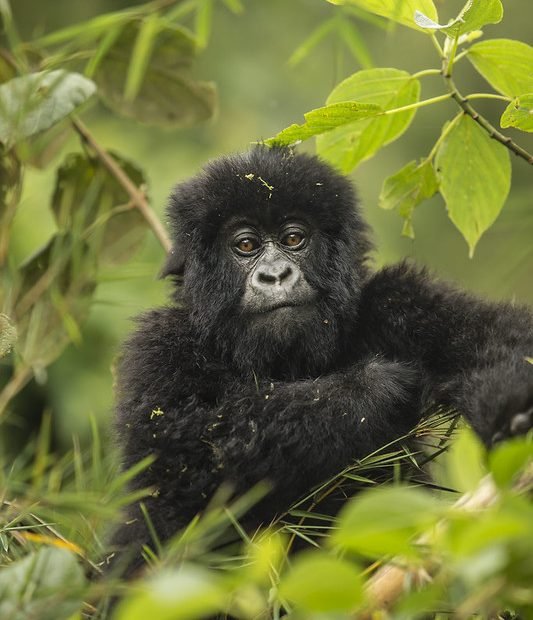
10 Day Rwanda Birding And Gorilla Trekking Safari
Ten days birding Rwanda: Nyandungu and the Bugesera wetlands, Akagera papyrus, Rugezi Marsh, the Virunga bamboo, Gishwati and Nyungwe, with a gorilla…
Rwanda · Kigali, Bugesera, Akagera, Rugezi Marsh, Volcanoes, Gishwati Mukura & Nyungwe
View itinerary 10 Day Rwanda Birding And Gorilla Trekking SafariBoat Safaris on Lake Ihema and Lake Rwanyakazinga
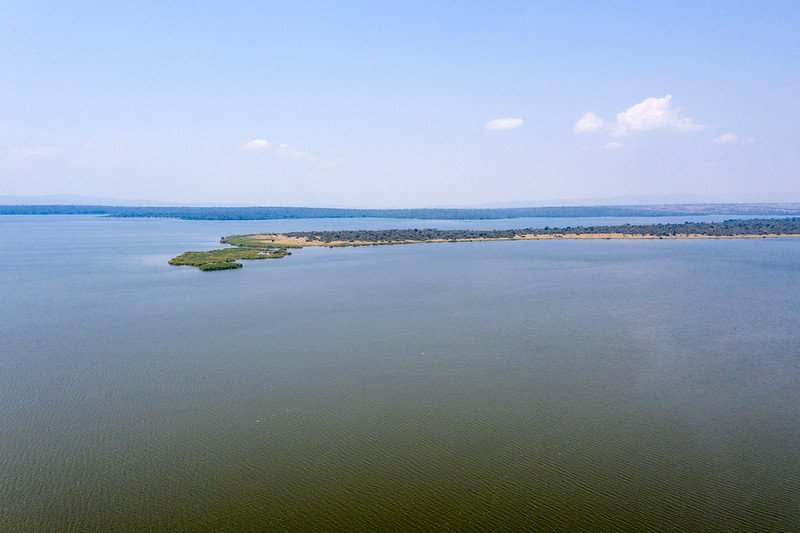
A boat safari on Lake Ihema is the activity most people rate highest afterwards, and it is completely different in character from a game drive. Ihema is the second largest lake in Rwanda and sits in the park’s southern sector, close to the main gate and the lodges there.
Scheduled departures usually run mid morning, early afternoon and late afternoon, lasting somewhere between one and two and a half hours. The lake holds one of the densest hippo concentrations in East Africa, so you spend much of the trip within sight of large pods grunting and shifting in the shallows. Nile crocodiles bask along the banks, some of them very large. Elephant and buffalo come down to drink at the shoreline in the late afternoon, which is why the sunset departure tends to be the one worth paying attention to.
Birding from the water is excellent. African fish eagles work the papyrus fringe, along with pelicans, open billed storks, cormorants, malachite kingfishers and herons. In the far north, guests at the Magashi concession run their boat trips on Lake Rwanyakazinga instead, which is quieter still and holds its own hippo population.
Private boat charters are available if you want to control the timing rather than sharing a scheduled departure, which photographers in particular tend to prefer.
Night Game Drive Safaris in Akagera
A night game drive runs from around half past five until roughly half past eight, mostly in the southern sector, in an open vehicle with a filtered spotlight. It is only available to guests staying inside the park, so it is one of the clearest arguments for spending a night at Ruzizi, Karenge, Magashi or the Akagera Game Lodge rather than day tripping from Kigali.
What comes out after dark is a completely different cast. Bushbabies in the acacia, genets and civets crossing the track, white tailed mongoose, hyena moving with purpose, nightjars sitting in the road, owls on the branches. Leopard hunts at night, and while the odds are still modest, a night drive gives you the best chance of one that Akagera offers.
Vehicles take a maximum of about seven guests. It gets surprisingly cool once the sun drops, so take a fleece regardless of how warm the afternoon was.
Walking Safaris and Rhino Tracking Tours with Rangers
Going on foot changes the scale of the park entirely. Walking safaris in Akagera are guided by rangers and focus on the detail that a vehicle drives straight past: tracks in the dust, dung, chewed branches, bird calls, the smell of a place. They are run from Ruzizi Tented Lodge and from the Magashi camps in the north.
More recently, guests staying at Karenge have been able to join rangers on a morning rhino tracking walk, working alongside the team that monitors the rhino population introduced to the park. This is real monitoring work rather than a staged activity, and it is one of the more meaningful mornings available anywhere in Rwanda.
Walking is not about ticking off big animals. Expect antelope, birds, insects, plants and a lot of ranger knowledge, with big game kept at a careful distance. Anyone who has done several vehicle safaris elsewhere and found them starting to blur should put a walk on the itinerary.
There were once more than three hundred lions in Akagera. The last one was seen around 2001. Fourteen years later they were flown back in from South Africa, and they have been breeding here ever since.
Birding Safaris and the Shoebill Search in Akagera’s Wetlands
Birding safaris in Akagera are among the best in Rwanda, with over 500 species recorded across the park’s mix of papyrus swamp, lakeshore, woodland and open grassland. For many visiting birders the target is the shoebill, that heavy grey prehistoric looking stork that stands motionless in the papyrus waiting for lungfish.
Shoebill sightings are never guaranteed and depend heavily on water levels and luck. The swamp margins on the northern lakes and the quieter papyrus channels give the best odds, and a boat is usually the way in. Guides who work the park daily know which channels have produced recently, which is worth more than any general advice.
Wetland and lakeshore species. Shoebill, papyrus gonolek, African fish eagle, goliath heron, saddle billed stork, white faced whistling duck, malachite and pied kingfishers, African jacana.
Savannah and woodland species. Grey crowned crane, lilac breasted roller, bateleur, long crested eagle, Ross’s turaco, red faced barbet in the acacia belt, plus a good list of hornbills and rollers.
Best months for birders. Migrants swell the numbers from around November through April, which overlaps with the greener months. Resident species are present year round and easier to see when the grass is short.
Behind the Scenes Conservation Tours at Park Headquarters
Akagera runs a behind the scenes conservation tour at park headquarters that gets far less attention than it deserves. You spend time with the people who actually keep the park functioning: the operations room where lion collar data and surveillance feeds come in, the canine unit, the rhino monitoring team, the anti poaching patrols.
It is not polished and that is precisely the appeal. What you take away is a clear sense of how much daily work sits behind a single lion sighting, and how directly tourism revenue funds it. Community visits to villages around the park boundary, supported through the revenue sharing scheme, are often paired with it.
Some camps also run citizen science elements, where guests help identify individual lions and leopards using identikit photographs against the park’s records. Families with older teenagers tend to get more out of this than out of a fourth game drive.
Akagera’s Wildlife Recovery and What It Means on Safari
Knowing the park’s recent history changes how the drives feel, so it is worth carrying with you. Akagera was gazetted in 1934 and once covered more than twice its present area. After 1994, returning refugees were resettled inside the boundaries, land was needed, and the park shrank by well over half. Lions were poisoned by herders after cattle losses. Rhinos were poached out entirely, the last one recorded in 2007. Wild dogs had already gone in the 1980s after a disease outbreak.
The turnaround began with the African Parks partnership in 2010, an electric boundary fence along the western edge to stop livestock conflict, a helicopter, a canine unit and dedicated rhino trackers. Seven lions arrived from South Africa in 2015. Eighteen eastern black rhinos followed in 2017, and thirty southern white rhinos in 2021. Poaching has fallen to very low levels, visitor numbers have climbed from a few thousand a year to well over thirty thousand, and the park now covers a large share of its own running costs.
None of that is decoration on a brochure. It is why there is a lion to look for at all, and it is the reason guides here talk about the park with a proprietary edge you do not hear everywhere.
Best Time for an Akagera Safari
Akagera is a low altitude park, warm by day and pleasantly cool at night throughout the year, which makes it the easiest of Rwanda’s parks to visit in any month. Timing affects visibility more than comfort.
June to September. The long dry season and the strongest game viewing window. Grass thins out, water sources shrink, and animals concentrate around the lakes and remaining pans. Tracks are firm and the whole park is easily driveable.
Mid December to February. A short dry period with similar conditions and slightly fewer visitors. Warm, clear days and good general game viewing across both sectors.
March to May. The long rains. Grass grows tall and animals disperse, which makes spotting harder, though the country turns green and the light is far better for photography. Four wheel drive becomes necessary on the internal tracks.
October and November. Short rains, mostly afternoon showers. Migrant birds start arriving, the park is quiet, and game viewing remains reasonable between showers.
Two nights inside the park is the sweet spot. One night limits you to the southern sector and a rushed northern loop, while two lets you drive north properly, take a boat safari and add a night drive without racing the clock.
Getting to Akagera National Park from Kigali
The southern gate sits roughly 110 kilometres east of Kigali, about two to two and a half hours on tarmac with a short dirt section at the end. That proximity is why Akagera works as a two night add on to a gorilla trekking safari without eating into the rest of an itinerary.
The northern gate takes longer, normally three to four hours from the capital, and camps in the far north sometimes finish the transfer with a game drive and a short boat crossing to reach the property. Scheduled and charter helicopter flights are available for anyone wanting to skip the road entirely.
Accommodation inside the park runs from campsites at Shakani and Mutumba through the mid range Akagera Game Lodge and the tented Ruzizi and Karenge, up to Wilderness Magashi on its private northern concession. Staying inside matters more here than in most parks, since night drives and walking safaris are restricted to overnight guests and early starts get you into the north before the heat.
Akagera rewards a bit of planning, mostly around which sector you sleep in and how many nights you give it. Intare Safaris runs this park regularly from its Rwanda base and can be honest with you about the leopard odds, the state of the northern tracks in a wet month, and whether your dates suit the south or the north better.
Message Intare Safaris with what you have in mind, even if it is only a rough idea and a set of dates, and a real person will come back to you with a route that fits rather than a package that nearly does.